At least 12 dead after migrant boat sinks off Gambia
At least 12 people have died after a boat carrying migrants sank off the Gambian coast, marking another deadly incident on the increasingly perilous Atlantic

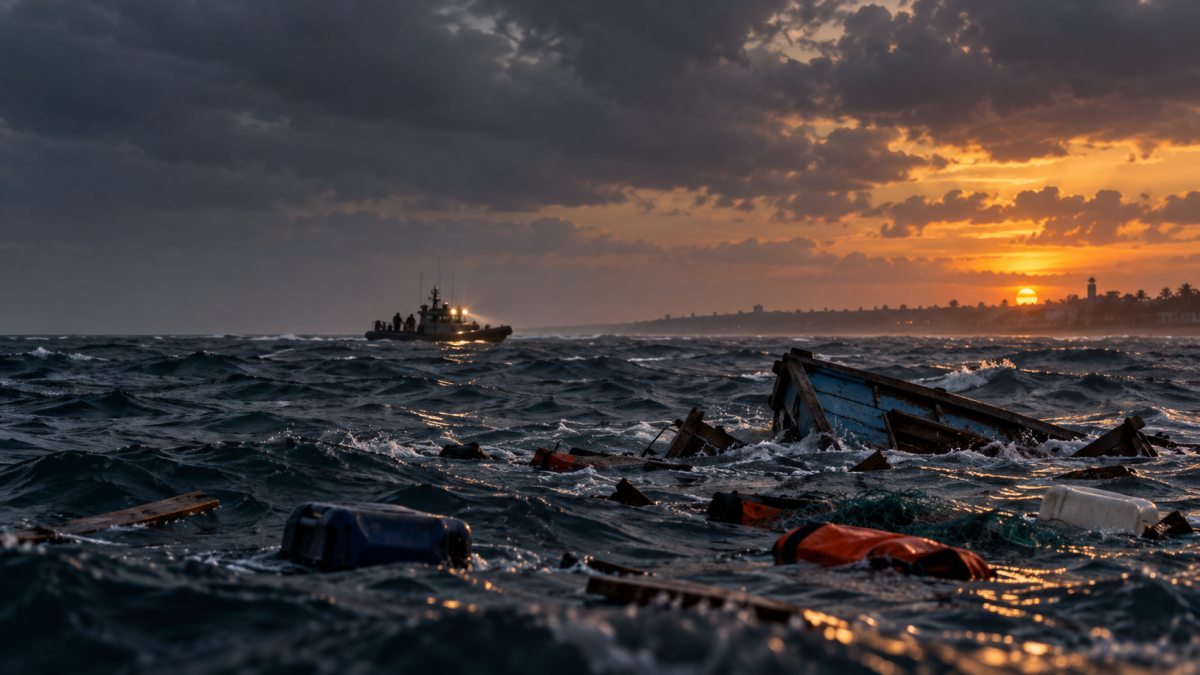
Table of Contents
Migrant boat tragedy off Gambia leaves at least 12 dead
Poinews.com – At least 12 people have died after a boat carrying migrants sank off the Gambian coast, marking another deadly incident on the increasingly perilous Atlantic route towards Europe.
The vessel went down near Jinack Kajata, in The Gambia’s North Bank region. The Gambia Red Cross Society said rescue and response operations were still developing on Thursday, while the full number of people who may remain unaccounted for had not yet been established.
The number of people missing remains uncertain, and further updates are expected as response efforts continue.
The Red Cross said it was coordinating with authorities and other emergency partners as information emerged from the scene. The circumstances of the sinking, including the number of people aboard when the boat left shore, were not immediately clear.
Jinack Island becomes a departure point
Jinack Kajata is a village on Jinack Island, an area that has increasingly been used by migrants preparing to travel towards Spain’s Canary Islands. The route crosses a vast section of the Atlantic Ocean and is used by people from across West Africa hoping to reach Europe.
For many travellers, the Canary Islands are viewed as an entry point to Spain and, ultimately, the European Union. But the crossing can involve long distances in small and vulnerable boats, often with limited supplies, uncertain navigation and little protection from changing sea conditions.
The growing use of departure points farther south along the West African coast has added to the risks faced by migrants. Routes that begin in or near The Gambia can be substantially longer than crossings launched from more traditional points farther north.
Fewer arrivals, but dangers remain severe
The International Organization for Migration has described the West African Atlantic Route as a major corridor for West Africans travelling towards Europe, even as the journey has become more hazardous.
Its recent data show that arrivals in the Canary Islands dropped sharply after their 2024 peak. Arrivals fell by 62 per cent between 2024 and 2025. However, the reduction in arrivals was not matched by a similarly significant fall in the number of people known to have died or disappeared.
Recorded deaths and disappearances declined by only 4 per cent over the same period, from 1,215 in 2024 to 1,172 in 2025. The figures underline a troubling reality: while fewer people reached the islands, the route remained exceptionally dangerous for those attempting it.
Data from the West African Atlantic Route show that while arrivals to the Canary Islands fell considerably since the 2024 peak, recorded deaths and disappearances remained broadly unchanged, highlighting how the route has become much more dangerous for migrants.
Deaths and disappearances on migration routes are difficult to document fully. Boats can vanish far from shore, survivors may not know the identities of all fellow passengers, and relatives may wait for news without confirmation of whether a journey ended in rescue, arrival or disaster. The number of victims in incidents such as the sinking near Jinack Kajata can therefore change as search efforts continue.
Longer crossings raise the likelihood of disaster
Tighter controls around established departure areas in Morocco, Mauritania and Senegal have encouraged some people to seek other places from which to begin the voyage. The Gambia has become one of the countries affected by that shift.
Alternative launch points can add as much as 750 kilometres to a crossing. Some journeys may stretch to roughly 2,200 kilometres, leaving passengers exposed to many more days at sea than they might otherwise face.
That extra time on the water can magnify every existing danger. Boats and engines may fail far from assistance, passengers can run short of water or food, and crews may struggle to navigate in remote sections of the coast where monitoring is more limited. Longer journeys also increase the risk of dehydration, shipwreck and disappearance.
The latest tragedy follows another deadly episode linked to the same migration route. In July, dozens of migrants were believed to be dead or missing after a vessel travelling from The Gambia was shipwrecked off Mauritania.
A continuing humanitarian concern
The sinking off Jinack Kajata highlights the human cost of a route that remains active despite its well-documented dangers. Each fatal voyage affects not only those on board but also families and communities left waiting for information about loved ones.
As emergency teams continue their work near the Gambian coast, attention will remain focused on confirming how many people were involved, identifying victims and determining whether more survivors can be found. For now, the confirmed death toll stands at at least 12, while uncertainty persists over those still missing.
Related Reading
Frequently Asked Questions
What is At least 12 dead after migrant?
At least 12 dead after migrant is the main topic of this guide. The article explains the context, practical details, and next steps readers should understand.
Why does At least 12 dead after migrant matter?
At least 12 dead after migrant matters because readers are looking for a useful answer, not just a short summary. Good content should match search intent and help them decide what to do next.