Diplomatic damage control in Oslo as Zelenskyy says US intelligence sharing restored
Ukraine emerged from high-level discussions in Oslo with a significant assurance from Washington: US early-warning intelligence related to Russian ballistic

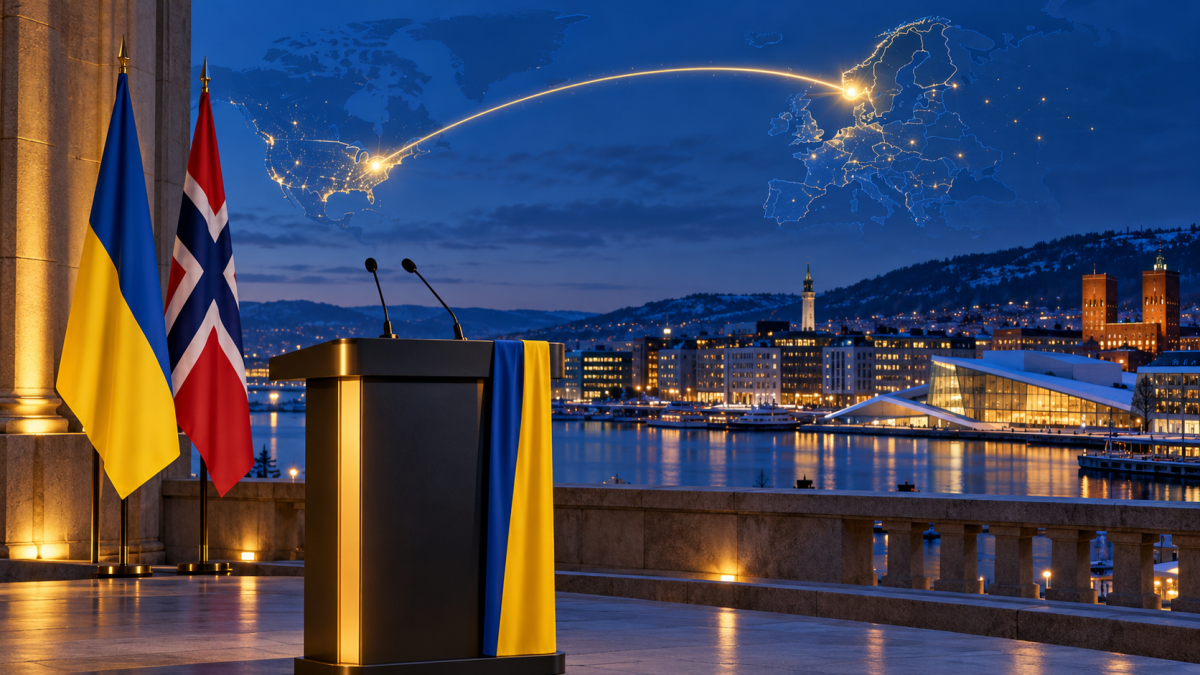
Table of Contents
Oslo talks ease tensions as US restores missile-warning intelligence for Ukraine
Poinews.com – Ukraine emerged from high-level discussions in Oslo with a significant assurance from Washington: US early-warning intelligence related to Russian ballistic missile threats has been restored. President Volodymyr Zelenskyy confirmed the development after meeting US envoy Steve Witkoff and a group of European leaders on Tuesday, in talks intended to contain a growing dispute between Kyiv and Washington.
The return of intelligence sharing is important for Ukraine’s ability to detect and respond to missile dangers. Zelenskyy also said the United States had again committed itself to providing robust security guarantees for Ukraine once the war ends. The combination of those commitments gave the Oslo meeting the appearance of a partial diplomatic reset, even as major disagreements over the path to peace remain unresolved.
Witkoff did not join the public appearance that followed the meeting. Instead, Zelenskyy and European leaders addressed the media, outlining an outcome that suggested cooperation had improved behind closed doors while leaving many of the most difficult political questions for later negotiations.
European leaders see movement in the peace effort
Finnish President Alexander Stubb described meaningful advances taking place away from public attention. He said the process had made considerable progress “under the radar” and was once again moving in the right direction.
“The peace process was now back on track.”
That assessment will face an immediate test in Russia. Witkoff is due to travel to St. Petersburg on Wednesday to present Russian leaders with proposals developed by Ukrainian and European negotiators. Whether Moscow accepts that the talks have regained momentum remains uncertain.
His trip is also expected to include an appeal for the release of Stephen Hubbard, a US citizen accused of serving Ukraine as a mercenary. The case adds a separate humanitarian and diplomatic issue to an already sensitive round of contacts between Washington and Moscow.
Anger in Brussels over pressure on Kyiv
While negotiators sought to reduce friction in Oslo, the European Union’s foreign policy chief delivered a much sharper public criticism of the US approach. Kaja Kallas told the European Parliament that American negotiators had been pressing Ukraine toward an outcome that she said would primarily benefit Russian President Vladimir Putin.
“American negotiators have been trying to push Ukraine into surrender for already almost two years, one and a half years now.”
“Ukraine hasn’t surrendered on Putin’s terms because Europe has been supporting Ukraine.”
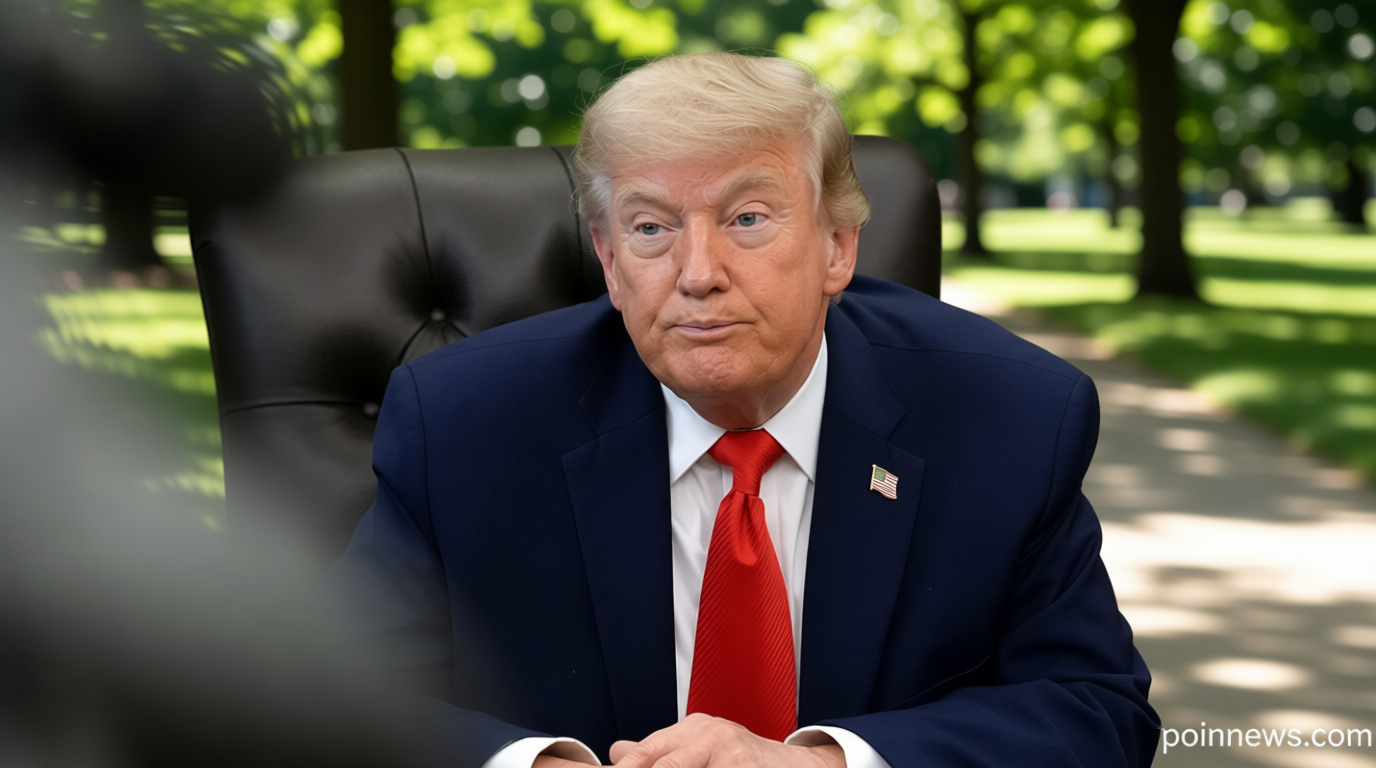
Kallas’s comments underscored the depth of concern in European capitals over what they view as Donald Trump’s increasingly Russia-friendly direction. The dispute is not simply about tone. It concerns the central question of whether any settlement should be built around Ukraine’s stated security needs and negotiating position, or whether Kyiv should be pushed to accept terms it considers unacceptable.
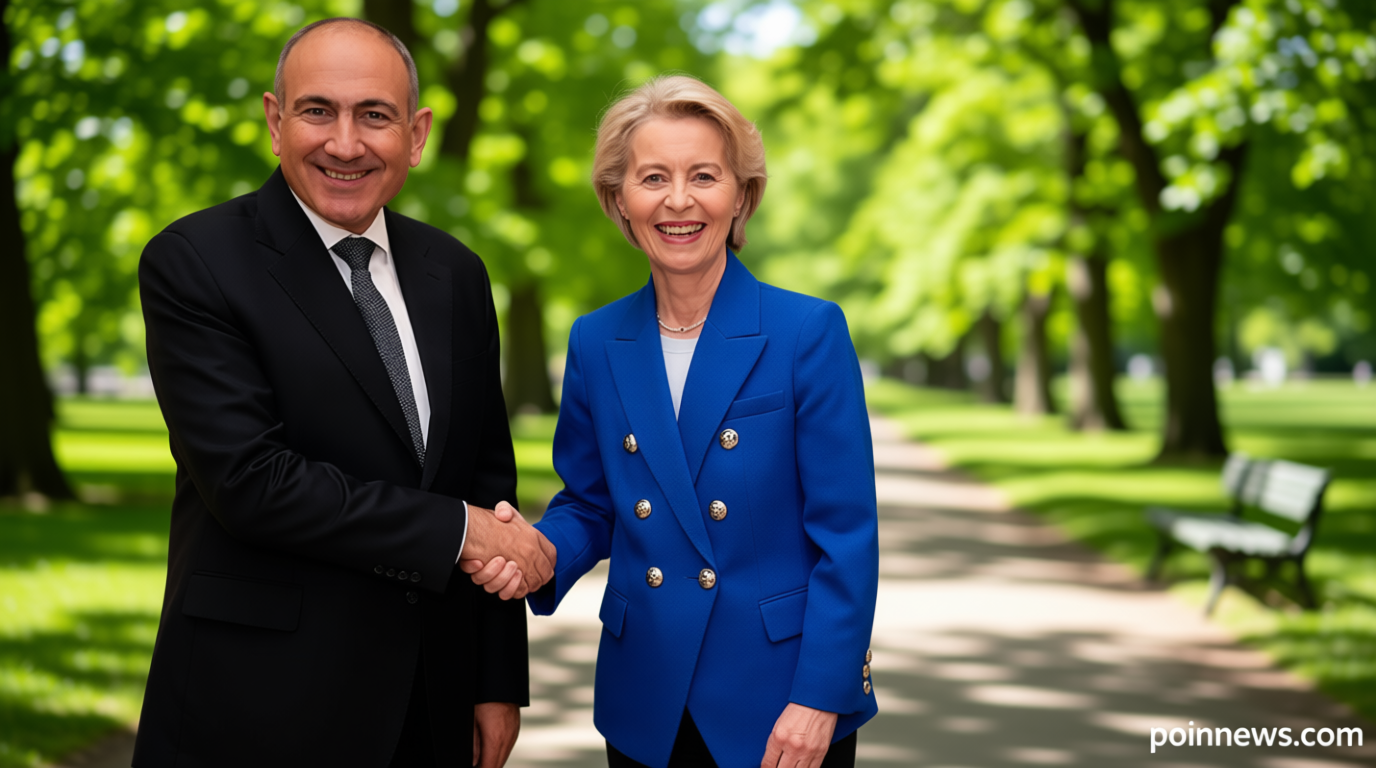
European Commission President Ursula von der Leyen is expected to address the European Parliament on Wednesday, reviewing the previous week’s EU summit and setting out the next stage of European support for Ukraine. Attention will focus in particular on whether she signals further sanctions measures against Moscow.
Von der Leyen has previously expressed dissatisfaction with Trump’s unilateral move to relax sanctions on Russia, although her language has been less confrontational than that used by Kallas. The contrast reflects a broader European effort to preserve working relations with Washington while making clear that many EU leaders do not share the American administration’s approach.
Europe seeks influence without a rupture
Despite the frustration, European governments are not preparing to abandon the United States and create a wholly separate peace initiative. Their calculation is that retaining a place in negotiations remains essential, particularly when decisions about a ceasefire, territorial issues and post-war security arrangements could have long-lasting consequences for the continent.
The Oslo meeting illustrated that strategy. European leaders chose to engage directly with the US envoy and Ukraine rather than stand aside, even as they voiced unease about American policy. Maintaining that diplomatic connection may be difficult, but European officials appear to believe that leaving the table would reduce their ability to protect Ukraine’s interests and Europe’s wider security concerns.
At the same time, the divide between European and American thinking on Russia has become more pronounced than at any point since the full-scale war began. That widening gap could become especially consequential if negotiations reach a final stage requiring allied governments to make joint choices on guarantees, sanctions or the terms of a settlement.
Hungary halts Ukraine’s EU accession progress
Ukraine faced another challenge on Tuesday when Hungary blocked the opening of the final two negotiating clusters in Kyiv’s bid to join the European Union. The move surprised the other member states, which were ready to proceed.
The clusters involve connectivity, agriculture and cohesion policy. Because Ukraine’s accession track is linked with Moldova’s, the Hungarian objection has also slowed Moldova’s progress.
Hungary’s representative gave no explanation during the meeting, leaving the other 26 EU countries uncertain about Budapest’s reasoning. Earlier this month, Hungary had agreed to open the same clusters after Ukraine’s parliament adopted legislation concerning minority-language education. A Hungarian official declined to comment on the latest decision.
It remains unclear whether Budapest intends to attach new requirements to Ukraine’s accession process. The episode demonstrates how enlargement negotiations require unanimity and how a single member state can delay progress even when the rest of the bloc is prepared to move ahead.
France prepares for further demonstrations
Separately, France is planning an extensive security operation ahead of further protests expected on Saturday. The preparations follow cost-of-living demonstrations that turned violent across the country during the weekend.
Prime Minister Sébastien Lecornu said a “massive” security deployment would be put in place. Interior Minister Laurent Nuñez told parliament that military personnel from Operation Sentinelle would be used to take over mainly static protection duties, allowing police officers and gendarmes to concentrate on maintaining public order during the demonstrations.
“To replace internal security forces mainly on static guarding duties” in order to “free up police officers and gendarmes to carry out public-order missions.”
Operation Sentinelle began in January 2015 and has 10,000 soldiers deployed throughout France. Its planned role during the expected protests highlights authorities’ concern that further demonstrations could again place heavy demands on police and security services.
Related Reading
Frequently Asked Questions
What is Diplomatic damage control in Oslo as Zelenskyy?
Diplomatic damage control in Oslo as Zelenskyy is the main topic of this guide. The article explains the context, practical details, and next steps readers should understand.
Why does Diplomatic damage control in Oslo as Zelenskyy matter?
Diplomatic damage control in Oslo as Zelenskyy matters because readers are looking for a useful answer, not just a short summary. Good content should match search intent and help them decide what to do next.