Von der Leyen to visit Pashinyan in Yerevan to build on Armenia’s pro-EU vote
Von der Leyen to Visit Armenian Prime Minister Pashinyan in Yerevan to Strengthen EU Ties Von der Leyen to visit Pashinyan - European Commission President

Von der Leyen to Visit Armenian Prime Minister Pashinyan in Yerevan to Strengthen EU Ties
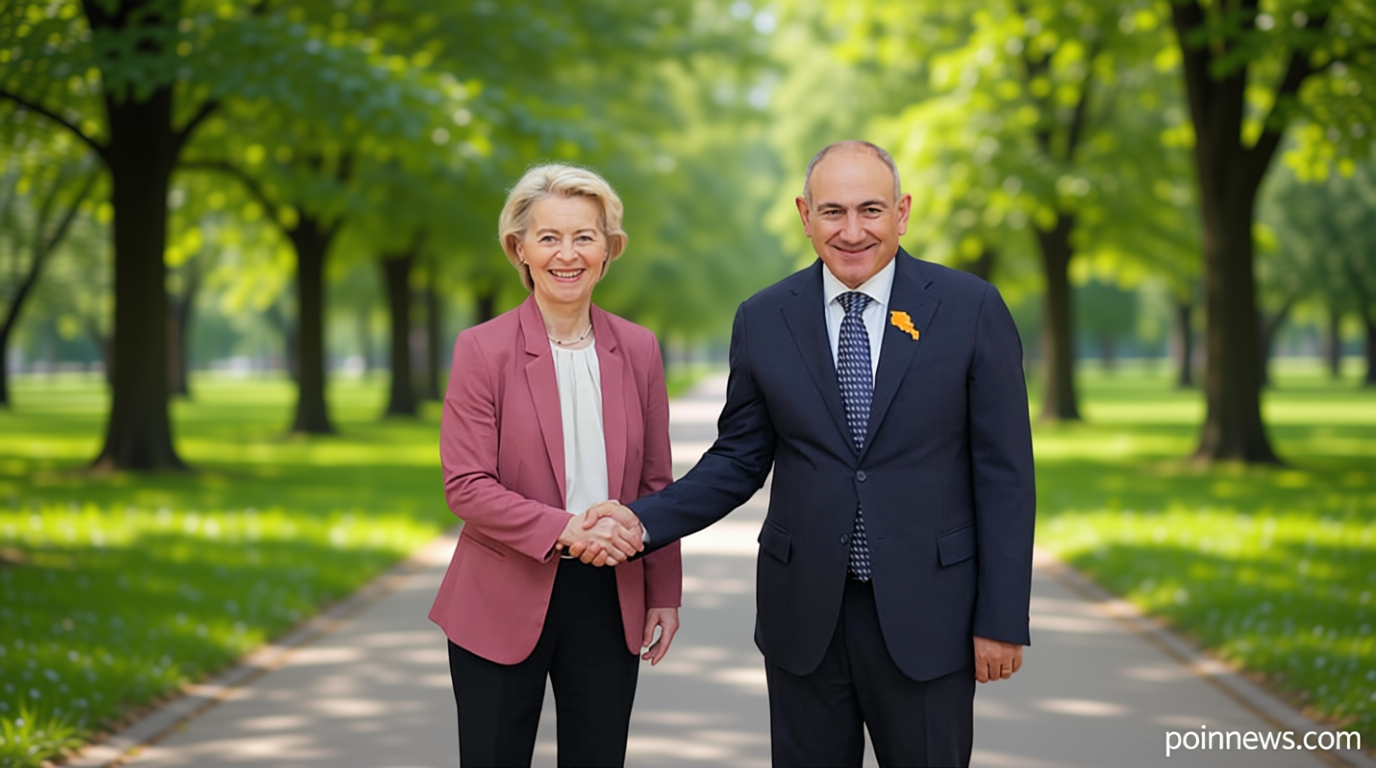
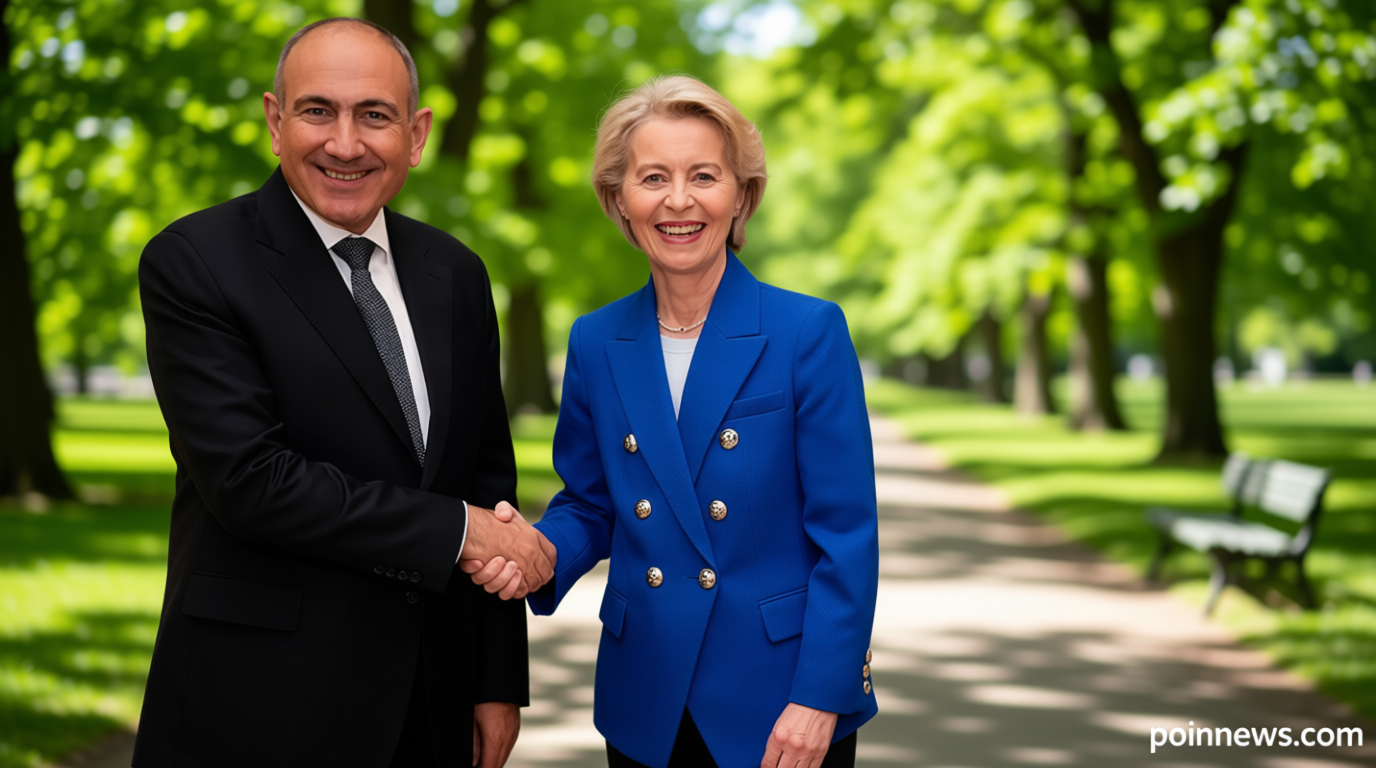
Poinews.com – European Commission President Ursula von der Leyen is set to visit Armenian Prime Minister Nikol Pashinyan in Yerevan, marking a strategic move to solidify the EU’s engagement with the nation after its recent pro-European vote. The visit, which will occur next week, aims to build on the political momentum generated by Armenia’s decision to align more closely with European Union values. Sources close to the Armenian government confirmed the details to Euronews, emphasizing that the meeting will focus on deepening cooperation and exploring opportunities for closer integration.
Context of EU Support and Political Shifts
The European Commission has been actively supporting Armenia’s economic stability in the wake of Russia’s trade restrictions. Just days before the June 7 elections, the Commission announced a €34 million financial aid package to help mitigate the impact of Moscow’s economic pressure. This initiative is part of a broader strategy to assist Armenian industries, particularly agri-food and flower exports, which have been heavily affected by the trade barriers. The visit by von der Leyen underscores the EU’s commitment to maintaining and enhancing its relationship with a country that has shown a clear pro-European orientation.
Von der Leyen highlighted the EU’s role in countering Russian influence during a May summit, where she criticized Moscow for using export restrictions on Armenian goods as a political tool. “Russia is leveraging trade barriers to exert economic pressure on Armenia,” she stated, reaffirming the Commission’s support for the country’s aspirations. This sentiment aligns with the EU’s long-term goals of fostering stability and prosperity in the South Caucasus region, where Armenia has historically maintained a complex balance between Western and Eastern alliances.
Economic Resilience and Trade Initiatives
A key component of the EU’s strategy is the Task Force on Economic Resilience, which continues to coordinate efforts to strengthen Armenia’s market access and business networks. The task force has prioritized sectors such as agriculture and tourism, aiming to create sustainable pathways for Armenian producers to reach European and regional markets. This support is crucial as Armenia navigates the challenges posed by its dependence on Russian energy and trade, while simultaneously pursuing closer ties with the EU.
European Commissioner for Enlargement Marta Kos emphasized the symbolic and practical importance of von der Leyen’s visit, noting that it reflects the EU’s solidarity with Armenia. During a recent event, Kos praised a symbolic gesture by Armenian Minister Davit Khudatyan, who presented the first batch of apricots to the Connectivity Agenda Platform. “This step signals Armenia’s readiness to diversify its trade and strengthen its economic partnerships,” Kos said, highlighting how such actions can bolster the EU’s influence in the region.
The visit by von der Leyen is expected to address ongoing discussions about Armenia’s future direction, particularly its position within the Eurasian Economic Union and its aspirations for EU membership. While Pashinyan has described the EU bid as “theoretical” at this stage, the meeting will serve as an opportunity to outline concrete steps for closer alignment. The Commission’s financial aid and trade initiatives are designed to provide Armenia with the tools needed to sustain its pro-EU momentum and reduce its reliance on Russian economic leverage.
“We will not engage in a war of words with Russia, but we will calmly defend Armenia’s interests,” Pashinyan stated in the lead-up to the elections, underscoring his administration’s balanced approach. His comments reflect a strategy to maintain diplomatic stability with Russia while advancing European integration. The EU’s support is seen as a critical factor in this effort, offering both financial and political backing to Armenia’s reform agenda.
Analysts suggest that von der Leyen’s visit could have long-term implications for Armenia’s foreign policy. By reinforcing the EU’s commitment to the country, the meeting may encourage further political and economic reforms that align with European values. This includes modernizing governance, improving infrastructure, and strengthening civil society. The Commission’s engagement also aims to counter Russian influence in the region, particularly as Armenia continues to seek a strategic balance between its Eastern and Western partners.