UN launches Hormuz evacuation for 11,000 stranded seafarers
UN Launches Hormuz Evacuation for 11,000 Stranded Seafarers UN launches Hormuz evacuation for 11 000 - The United Nations’ International Maritime Organization

UN Launches Hormuz Evacuation for 11,000 Stranded Seafarers
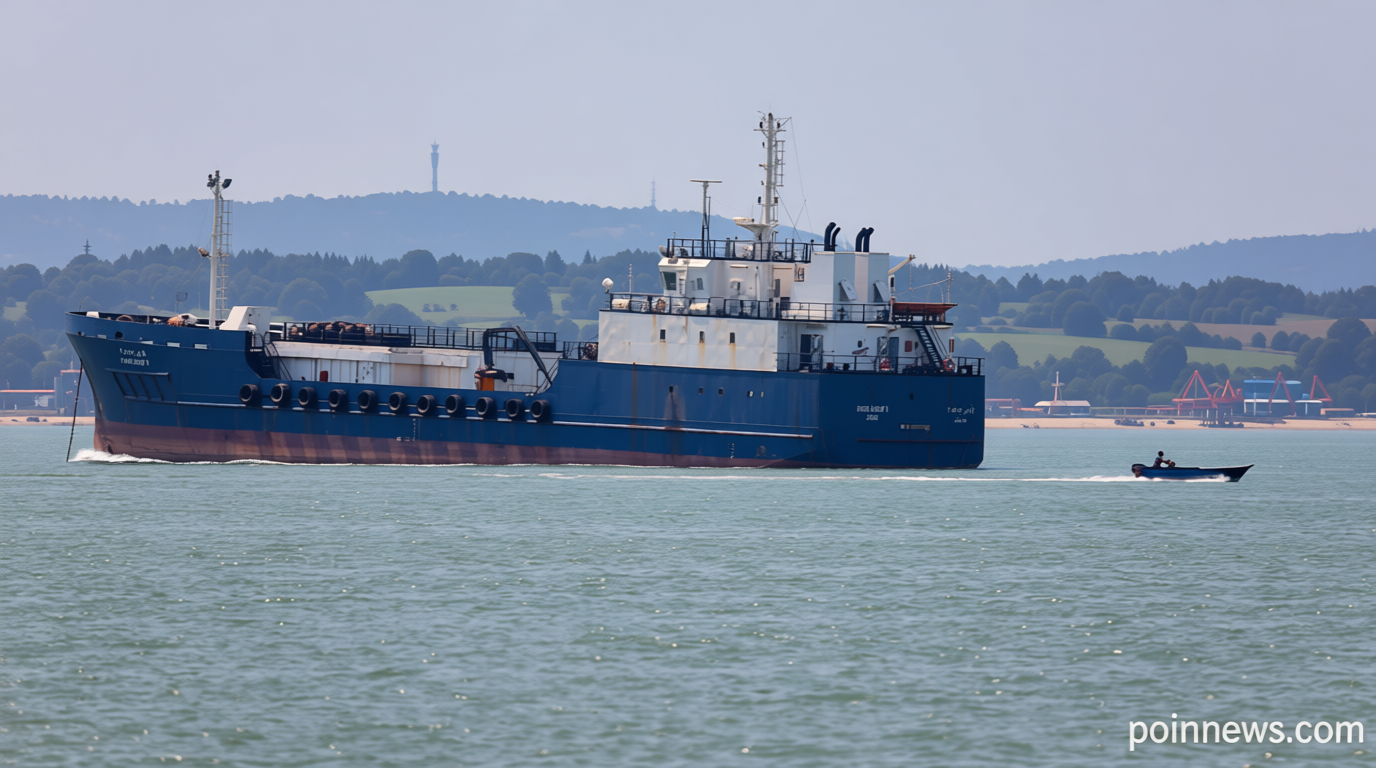
Poinews.com – The United Nations’ International Maritime Organization (IMO) has initiated a major evacuation operation to rescue over 11,000 seafarers stranded in the Gulf due to the closure of the Strait of Hormuz. This unprecedented move follows the recent resumption of maritime traffic through the critical waterway, which had been blocked for several weeks by Iran’s military actions. The operation marks a pivotal moment in addressing the humanitarian and economic fallout caused by the crisis, as the UN seeks to coordinate efforts with global partners to ensure the safe return of maritime workers.
The Crisis That Led to the Evacuation
Since February 28, the Strait of Hormuz has been a focal point of geopolitical tension, with Iran imposing a blockade to disrupt shipping lanes. This disruption had significant ramifications for global supply chains, as vessels transporting essential goods—such as oil, fertilizers, and machinery—were forced to reroute or delay their journeys. The closure of the strait, which connects the Arabian Sea to the Gulf, raised concerns about the safety of seafarers and the stability of international trade. With the reopening of the waterway, the IMO has stepped in to organize the evacuation of stranded mariners, emphasizing the need for swift action to prevent further hardship.
The prolonged blockade not only affected the movement of goods but also caused a spike in oil prices, creating a ripple effect across global markets. According to industry reports, the disruption led to a 20% increase in fuel costs for shipping companies, while also causing delays in the delivery of critical resources to energy-dependent nations. The IMO, alongside regional stakeholders, has worked tirelessly to assess the risks and establish a coordinated response. The operation underscores the organization’s commitment to safeguarding maritime security and ensuring the continuity of global trade networks.
Operation Details and Global Collaboration
The evacuation operation is designed to facilitate the safe passage of seafarers through the Strait of Hormuz, which remains a vital artery for international commerce. To manage the influx of vessels, the IMO has implemented two temporary routes, allowing for controlled traffic and reducing the risk of collisions or accidents. These routes are expected to ease the pressure on the waterway while ensuring that crews can return to their home ports without unnecessary delays. The success of the mission hinges on the cooperation of multiple nations, including Iran, Oman, and the United States, as well as the maritime industry’s logistical expertise.
Iran’s decision to lift the blockade was influenced by the recent US-Iran peace deal, which aimed to de-escalate tensions and restore diplomatic relations. This agreement has not only reopened the strait but also provided a framework for resolving disputes that have long impacted the flow of maritime traffic. The IMO’s role in this operation has been crucial, as it has coordinated with shipping companies, port authorities, and naval forces to create a unified strategy. By prioritizing the safety and well-being of seafarers, the UN hopes to set a precedent for international cooperation in crisis management.
“This operation represents a major step in ensuring safe passage for seafarers and reinforcing global trade stability,” stated IMO Secretary-General Arsenio Dominguez. He emphasized that the IMO’s verification of navigational safety was essential in confirming that the strait was secure for the evacuation mission. The collaborative effort highlights the importance of multilateral partnerships in mitigating the impact of geopolitical conflicts on everyday economic activities.
The Human Impact and Logistical Challenges
The evacuation of 11,000 stranded seafarers has become a humanitarian priority, as many mariners faced prolonged uncertainty about their safety and return home. Families and employers have been anxiously awaiting news of their loved ones, with the operation providing a lifeline to those affected. The logistics of the mission are complex, requiring the coordination of hundreds of vessels and the allocation of resources to support crews during their transit. Despite these challenges, the IMO has managed to streamline the process, ensuring that seafarers can be transported efficiently through the restored waterway.
International shipping companies have played a key role in the evacuation, with vessels equipped to carry stranded workers back to their home countries. The IMO has also partnered with airlines to expedite the transportation of seafarers who require urgent repatriation. This multi-pronged approach reflects the organization’s adaptability in responding to emergencies. Additionally, the mission has garnered support from the International Labour Organization (ILO), which has highlighted the importance of protecting maritime workers during times of crisis. The success of the operation will serve as a benchmark for future evacuations in similarly volatile regions.
With the Strait of Hormuz now open, the IMO’s evacuation efforts are expected to conclude within the next few weeks. However, the long-term implications of the crisis remain significant. The disruption in shipping traffic has led to a reevaluation of supply chain resilience, with some experts calling for the diversification of trade routes to prevent future bottlenecks. The UN’s intervention has not only addressed the immediate needs of seafarers but also demonstrated its capacity to respond to global challenges. As the mission progresses, the focus will remain on ensuring the safety of all involved and restoring the confidence of the maritime industry in the region’s stability.