Hamas announces dissolution of Gaza governing body, paves way for technocratic committee
Hamas Dissolves Gaza Governing Body, Paves Way for Technocratic Committee Hamas announces dissolution of Gaza governing - In a significant political maneuver

Hamas Dissolves Gaza Governing Body, Paves Way for Technocratic Committee
Poinews.com – In a significant political maneuver, Hamas has announced the dissolution of its long-standing governance structure over the Gaza Strip, marking a pivotal moment in the region’s leadership dynamics. The decision, which aims to transition from a militant-led administration to a civilian-focused technocratic committee, has sparked widespread analysis about its implications for Palestinian politics. For nearly two decades, Hamas has maintained control of Gaza, first consolidating power in 2007 after a conflict with Fatah, which had previously governed the territory. This move signals a strategic effort to depoliticize governance and align with the terms of the October 2025 ceasefire agreement between Hamas and Israel.
Shift from Militant Rule to Civilian Administration
The dissolution of the Gaza governing body reflects a deliberate effort by Hamas to distance itself from the day-to-day administrative burdens while maintaining its ideological grip. The organization has long been criticized for prioritizing military objectives over civilian needs, leading to a growing demand for a more technocratic approach. By forming a new committee composed of experts and professionals, Hamas hopes to streamline decision-making and foster economic stability in the region. This shift is also seen as a response to internal pressures, as the group seeks to balance its militant identity with pragmatic governance.
The National Committee for the Administration of Gaza (NCAG), led by technocrat Ali Shaath, has been operating outside the territory for months due to Israeli concerns about its entry. Hamas has insisted that the NCAG will take over the reins of governance, allowing the militant group to focus on security and regional negotiations. While the transition is expected to reduce direct control over Gaza’s daily affairs, critics argue that the committee may still serve as a tool to consolidate Hamas’ influence. The process has been described as a “test of patience” for both Hamas and the broader Palestinian community.
Challenges and Delays in Ceasefire Implementation
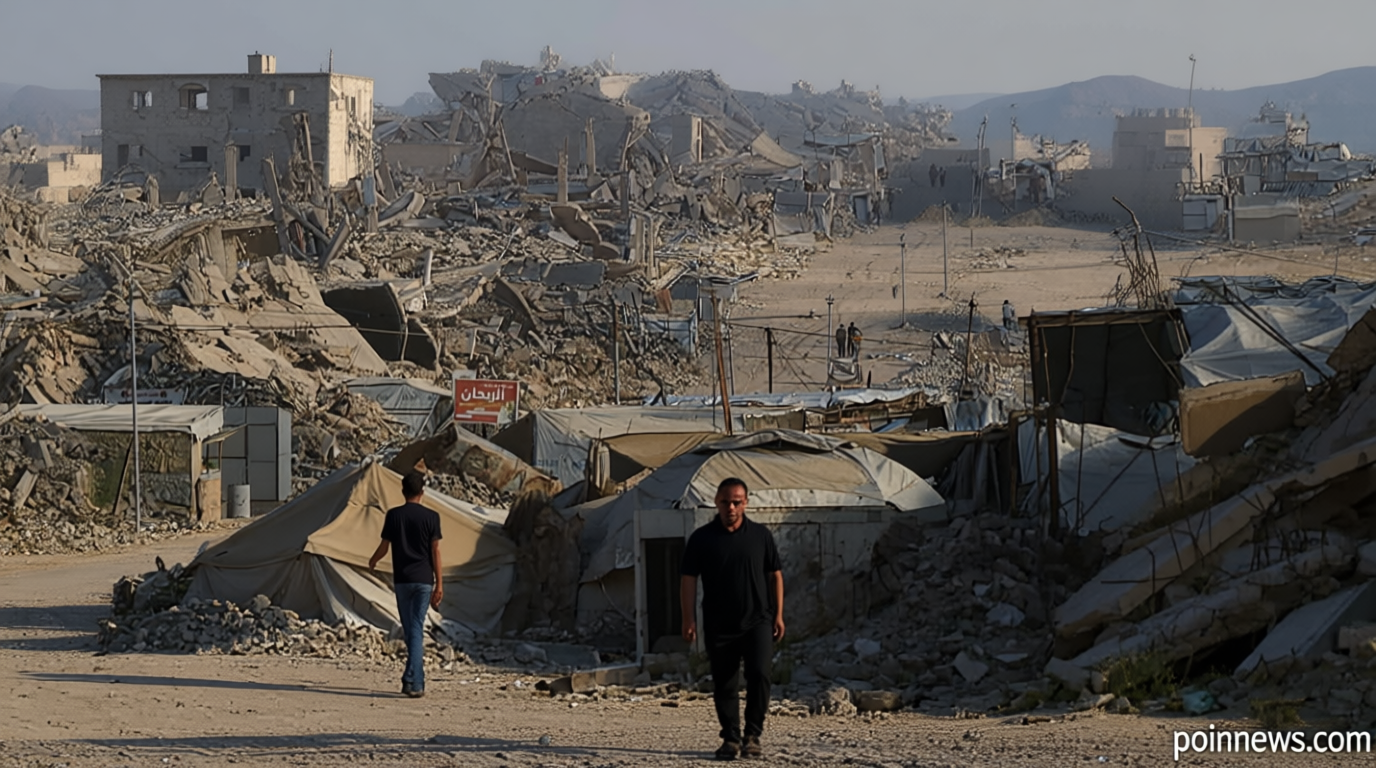
The dissolution of Hamas’ governing body comes amid ongoing delays in implementing the October 2025 ceasefire agreement. While the deal was brokered to end hostilities and pave the way for a phased political transition, key terms—such as Hamas’ disarmament and Israel’s gradual withdrawal from Gaza—remain unresolved. This has led to a stalemate that has kept the region under military tension for months. Israeli troops have increased their presence in Gaza, now controlling nearly 70% of the territory, which has raised concerns about the effectiveness of the ceasefire.
Despite these challenges, Hamas has maintained its commitment to the process, with Mohammed al-Farra, the former head of the emergency committee, resigning as part of the transition. The group’s media office emphasized that the dissolution is a step toward reducing the occupation’s justification for continued aggression. However, the NCAG’s role in managing Gaza’s affairs remains unclear, with some fearing it could become a puppet government. As negotiations continue, the success of this transition will depend on both internal unity within Hamas and external support from regional allies.
Regional and International Reactions
The announcement has drawn mixed reactions from Palestinian factions and international observers. In Cairo, Hamas’ decision was welcomed by other groups as a move toward a more unified Palestinian administration. However, the technocratic committee’s ability to govern effectively will be tested, especially as it faces the dual challenges of restoring trust and managing economic recovery. Analysts note that the committee’s composition, which includes former officials and technocrats, may help address Gaza’s pressing issues, such as infrastructure repair and resource allocation.
Meanwhile, the Israeli government has expressed cautious optimism, viewing the transition as an opportunity to advance its own strategic interests. Prime Minister Benjamin Netanyahu reiterated the importance of Hamas disarming before any territorial concessions are made, highlighting the need for security guarantees. The United States, under former President Donald Trump’s peace initiative, has supported the NCAG as a means to achieve a lasting truce. However, the Biden administration has since called for a more inclusive approach, urging Hamas to work closely with other Palestinian factions to ensure stability.
Historical Context and Political Implications
Hamas’ governance of Gaza has been shaped by a complex interplay of military and political factors. Since 2007, the group has managed the territory with a focus on resistance against Israel and maintaining its own authority. The dissolution of the governing body marks a departure from this model, signaling a potential redefinition of Hamas’ role in Palestinian politics. Some experts argue that this move could weaken the group’s ability to rally support among Gazans, while others see it as a way to strengthen its position in broader negotiations.
The transition to a technocratic committee also raises questions about the future of Palestinian governance. While the NCAG is expected to handle administrative tasks, the militant group will retain its political and military leadership. This dual structure may allow Hamas to maintain influence without being directly tied to daily governance. The success of the NCAG will depend on its ability to address the immediate needs of Gaza’s population, including economic recovery and reconciliation with Fatah, which has controlled the West Bank.
Looking Ahead: A New Chapter for Gaza
As the NCAG prepares to assume control, the focus shifts to its capacity to deliver tangible results. With Hamas stepping back from direct administration, the committee faces the daunting task of stabilizing Gaza’s economy and infrastructure, which have been severely impacted by years of conflict. The process has already seen significant progress, including the formal resignation of the emergency committee’s head, but challenges