More than 150 shipwrecks discovered beneath Gibraltar waters
braltar waters More than 150 shipwrecks discovered beneath - Recent archaeological discoveries in Gibraltar's waters have revealed an astonishing array of

More than 150 shipwrecks discovered beneath Gibraltar waters
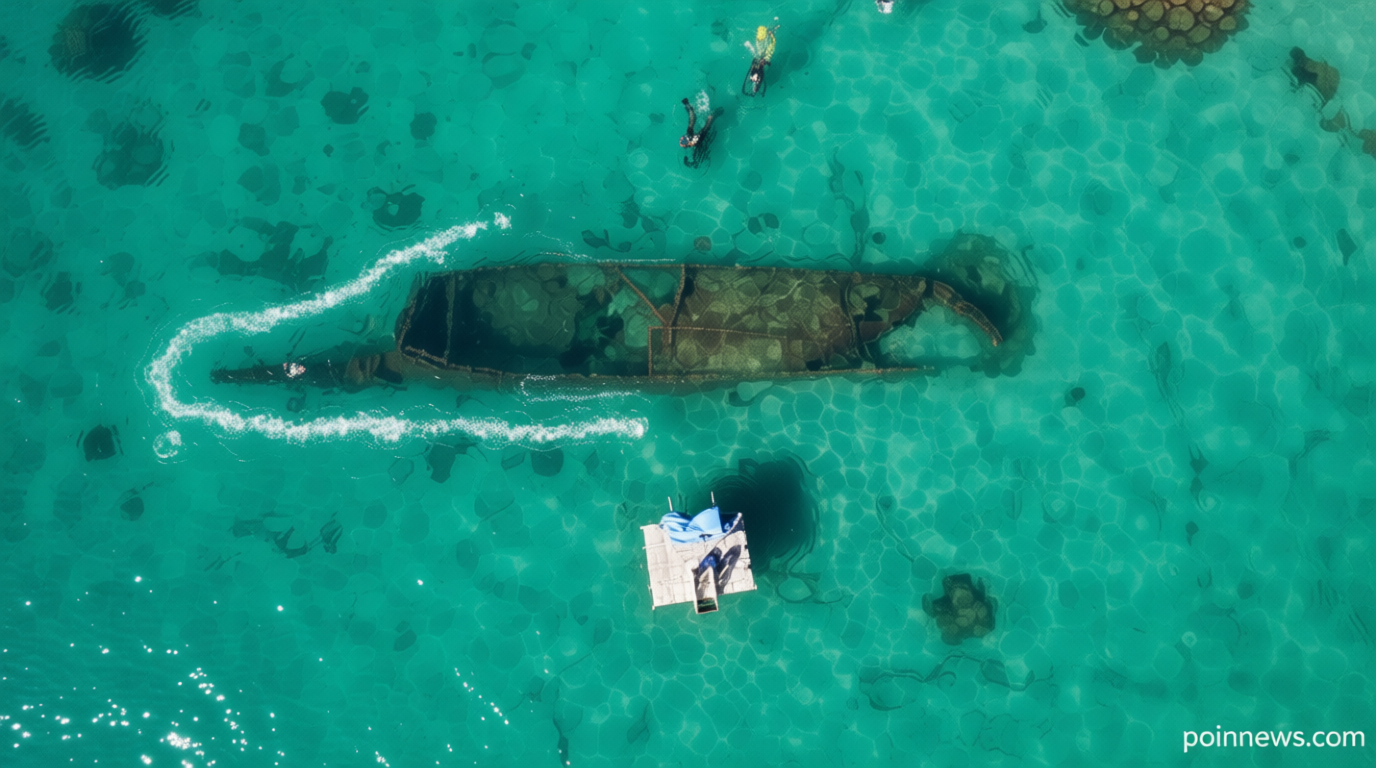
Poinews.com – Recent archaeological discoveries in Gibraltar’s waters have revealed an astonishing array of shipwrecks, with over 150 sites now cataloged. This unprecedented find, led by a team of Spanish researchers, sheds light on the region’s historical role as a critical maritime crossroads. The collection spans millennia, from ancient trade routes to wartime encounters, offering a unique window into the cultural and economic exchanges that have shaped the area for thousands of years. The sheer volume of these wrecks underscores Gibraltar’s strategic significance, as it has long been a hub for ships traversing between the Atlantic and Mediterranean seas.
Advanced Techniques Unveiling the Past
The groundbreaking research was made possible through the integration of cutting-edge technology, including high-resolution sonar mapping and remotely operated vehicles (ROVs). These tools allowed the team to scan the seabed with remarkable precision, identifying structures that had remained hidden beneath layers of sediment and marine life. The use of underwater photogrammetry further enhanced the project’s accuracy, creating detailed 3D models of the wrecks for analysis. The collaboration between the University of Cádiz and local marine conservation groups highlights the importance of interdisciplinary efforts in uncovering historical treasures. By combining historical knowledge with modern techniques, researchers have not only mapped the shipwrecks but also begun to reconstruct the stories of the vessels and the people who sailed them.
Among the 150 sites, more than 130 wrecks have been traced back to the Punic, Roman, medieval, and early modern periods. The Punic ships, dating to the 5th century BC, suggest early trade connections between North Africa and the Iberian Peninsula, while Roman-era remnants reflect the bustling commerce of the empire. Medieval shipwrecks, often associated with the rise of the Kingdom of Castile, indicate the area’s use as a route for Spanish exploration and military campaigns. Early modern vessels, including those from the Age of Sail, point to the region’s continued importance during the height of European maritime power. The diversity of these wrecks illustrates the complex history of Gibraltar, where different civilizations left their mark through the ages.
Notably, certain parts of the bay have yielded clusters of shipwrecks from overlapping periods, hinting at the site’s enduring significance. These clusters may provide valuable insights into how maritime activity evolved over time, with each era contributing unique artifacts and evidence. For example, Roman pottery and amphorae found in the deeper waters suggest the presence of cargo ships transporting goods such as olive oil and wine. In contrast, medieval wrecks often contained military equipment, hinting at battles or shipwrecks caused by storms. The team has also uncovered traces of early modern navigation tools, including compasses and charts, which offer a glimpse into the technological advancements of the time.
While the current cataloging effort has identified over 150 shipwrecks, researchers estimate that the seabed may still conceal up to 2,000 more. This suggests that the region’s underwater heritage is far from fully explored. The project’s long-term goal is to create a comprehensive database of these sites, which will serve as a resource for historians, oceanographers, and conservationists. Additionally, the team aims to investigate the environmental factors that have preserved these wrecks, such as the unique combination of currents and seabed topography. By understanding these conditions, scientists can better protect the sites from further degradation and ensure their preservation for future study.
Experts believe that the shipwrecks discovered in Gibraltar’s waters could revolutionize our understanding of maritime history in the region. The site’s location at the narrowest point of the Mediterranean and Atlantic, known as the Strait of Gibraltar, has made it a vital passage for centuries. As a result, it has witnessed the movement of countless ships, from ancient Phoenician traders to modern naval vessels. The presence of wrecks from such a wide chronological range indicates that Gibraltar has served as a critical waypoint in global trade and conflict. By studying these shipwrecks, researchers hope to uncover more about the lives of sailors, the technologies of their time, and the historical events that shaped the region’s maritime legacy.