Keiko Fujimori takes office as Peru’s president, vowing to end decade of instability
Keiko Fujimori takes office as Peru's president following a closely contested election that has brought new hope for stability to the South American nation

Keiko Fujimori Takes Office as Peru’s President After Historic Victory
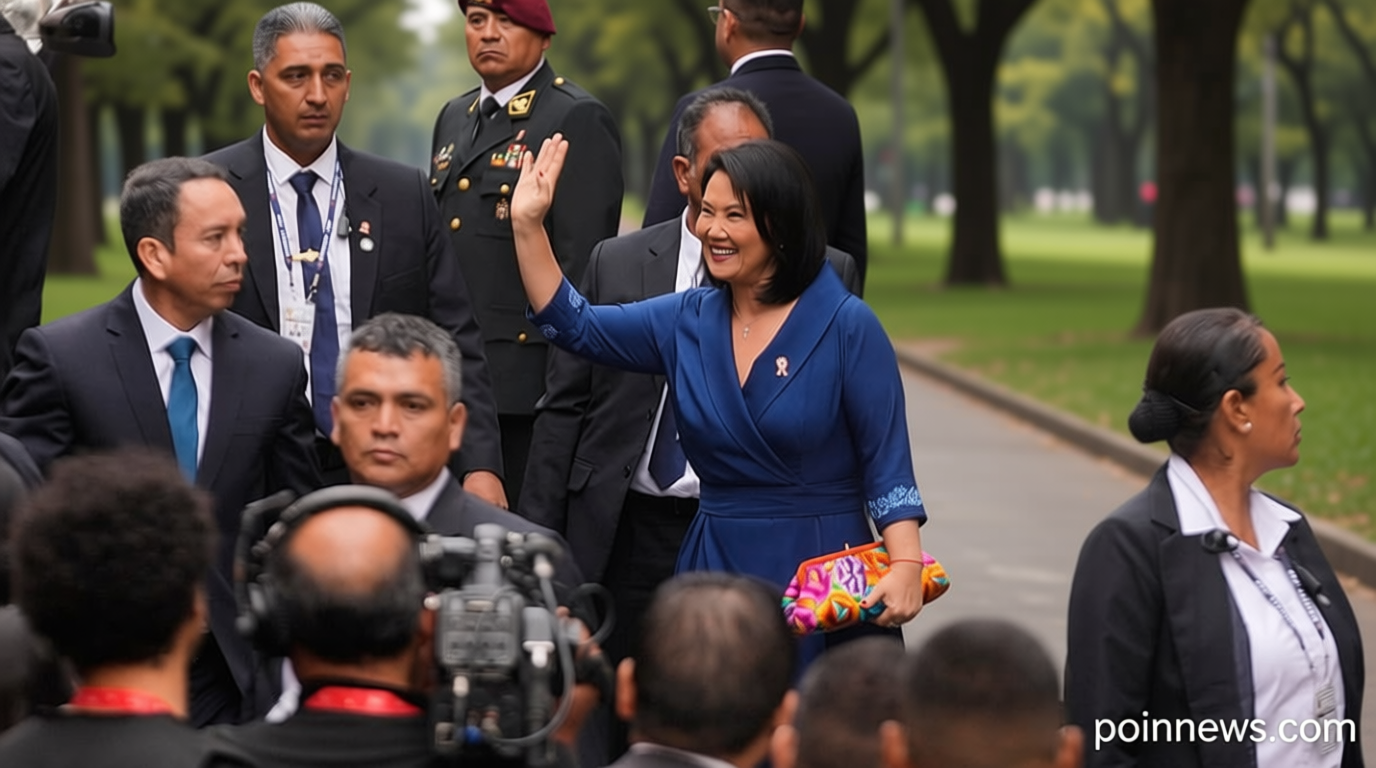
Poinews.com – Keiko Fujimori takes office as Peru’s president following a closely contested election that has brought new hope for stability to the South American nation. The conservative leader was officially sworn in on Tuesday after securing a narrow victory in June’s presidential race, winning by fewer than 50,000 votes. At 51 years old, she becomes Peru’s first female head of state, marking a significant milestone in the country’s political history. As the daughter of former president Alberto Fujimori, who governed Peru from 1990 to 2000, she carries both the legacy and expectations of her family’s political dynasty.
The incoming administration faces the formidable challenge of restoring order after a turbulent decade. Peru has experienced nine different presidents over the past ten years, with only three elected directly by popular vote. The remaining leaders assumed office through resignations or congressional removals, often triggered by corruption scandals that shook public confidence in democratic institutions. This political instability has created uncertainty for businesses, citizens, and international partners alike.
Security and Economic Reforms Take Center Stage
Security concerns dominated Fujimori’s campaign trail as Peru battled escalating organized crime and extortion schemes that have plagued communities nationwide. The new president has promised to govern with what she calls an “iron fist” approach, implementing several bold measures to combat criminal networks. Among her most ambitious plans is the construction of a mega-prison facility modeled after El Salvador’s controversial Cecot detention center, designed to house high-profile criminals in secure isolation. Additionally, she has proposed legislation allowing judges to conceal their identities during criminal proceedings to protect them from intimidation and retaliation.
Beyond security, economic revitalization represents another critical pillar of her agenda. Fujimori has committed to accelerating infrastructure development by streamlining partnerships between government agencies and private investors. This initiative aims to attract foreign capital and stimulate domestic investment in transportation, energy, and telecommunications sectors that have lagged behind regional competitors.
Political calculations also favor the new administration’s early days. Fujimori enters office with substantial congressional support, as her Popular Force party and its principal ally, Popular Renovation, collectively control half of the seats in the newly constituted Senate. This parliamentary majority makes it considerably more difficult for opposition lawmakers to initiate impeachment proceedings or block key legislative initiatives.
“The people have spoken, and they demand change,” Fujimori declared during her inauguration ceremony. “We will work tirelessly to restore trust in our institutions and deliver prosperity to every corner of our nation.”
Opposition figures have already begun mobilizing, urging the incoming administration to reconsider certain laws enacted by the previous Congress. Critics argue that these legislative measures have inadvertently weakened Peru’s capacity to fight organized crime effectively. As debates intensify, all eyes remain on how Fujimori will balance her campaign promises with the practical demands of governance in one of Latin America’s most dynamic yet challenging political environments.