Video. Haiti embraces World Cup dream after 54-year wait
i Embraces World Cup Dream After 54-Year Wait Haiti embraces World Cup dream after 54 - Haiti’s long-awaited return to the FIFA World Cup has ignited a wave

Video. Haiti Embraces World Cup Dream After 54-Year Wait
Poinews.com – Haiti’s long-awaited return to the FIFA World Cup has ignited a wave of national pride and collective excitement. After a 54-year absence, the Caribbean nation is finally set to step onto the global football stage, marking a historic moment that has resonated deeply with its people. This milestone is not just a sports achievement but a symbol of resilience, unity, and the enduring spirit of Haitian culture. The event has sparked a sense of shared purpose, with communities coming together to celebrate the dream that has been realized after decades of anticipation. As the nation prepares for its debut, the focus keyword “Haiti embraces World Cup dream” echoes through schools, stadiums, and social media, capturing the joy of a people who have waited patiently for this day.
A Global Celebration in Local Communities
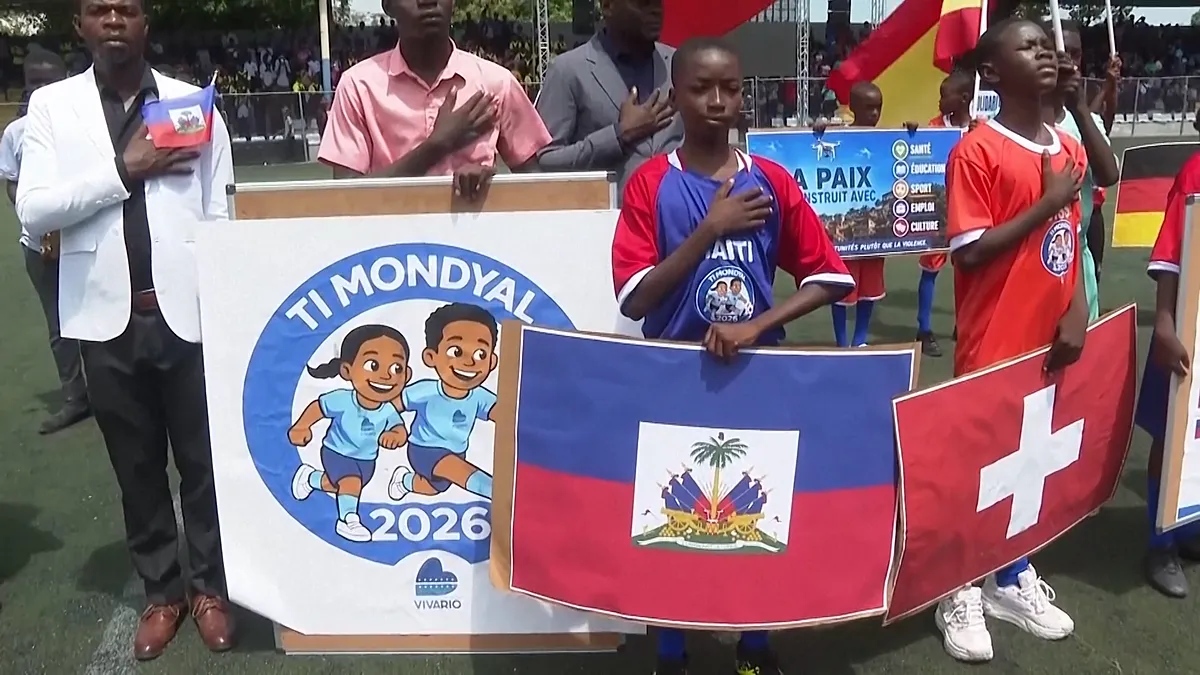
One of the most inspiring ways Haiti is embracing its World Cup dream is through the Ti Mondial 2026 initiative, a nationwide event organized by the UN Bureau in Haiti and the Brazilian NGO Viva Rio. This creative program brings together 48 schools, each representing one of the 48 participating nations in the tournament, to simulate the World Cup experience on a grassroots level. Children as young as six are now donning replica jerseys, learning the rules of the game, and competing in friendly matches under the flags of their assigned countries. The initiative aims to instill a sense of identity and solidarity, using football as a unifying force in a country that has often faced political and social divisions. With colorful displays and lively chants, the event has transformed local playgrounds into mini arenas, creating an atmosphere of palpable enthusiasm.
“Let’s play for peace,” stated Delynoi Christel, Viva Rio’s education coordinator, encapsulating the spirit of the occasion. “Football is a language that speaks to everyone, and by embracing the World Cup dream, we’re not only celebrating sport but also our shared heritage.”
Meanwhile, the national team’s journey to qualification has been nothing short of remarkable. Despite the challenges of a post-earthquake recovery and ongoing security issues in the capital, Haiti managed to secure a spot in the 2026 World Cup through a series of intense qualifiers. The team’s home matches were held in Curaçao due to safety concerns, but their performance was so strong that they earned the right to represent their nation on the world stage. This achievement has been celebrated as a testament to the perseverance of Haitian football, which has long been overlooked but now stands at the forefront of global competition. The World Cup is not just a tournament for Haiti—it is a platform for showcasing its potential on an international scale.
A Nation Reborn Through the Ball
The World Cup dream has rekindled hope in Haiti’s football community, which has endured years of underfunding and limited infrastructure. Before this historic return, the country had not participated in the World Cup since 1974, when their squad made a brief appearance in the tournament. The 54-year gap was marked by struggles, from political instability to natural disasters, yet the passion for the game never waned. Today, football is seen as a tool for rebuilding and redefining Haiti’s identity. The Ti Mondial 2026 event has amplified this sentiment, with children from all walks of life participating in a shared celebration of the sport. The activity has become a cultural phenomenon, blending education, recreation, and national pride into one vibrant movement.
As the World Cup approaches, Haitians across the globe are rallying behind their team, creating a sense of unity that transcends borders. The nation’s Group C opener against Scotland on June 13th has generated immense anticipation, with fans gathering in record numbers to support their underdog squad. Social media platforms have been flooded with messages of encouragement, highlighting the emotional significance of this moment. The phrase “Haiti embraces World Cup dream” has taken on a deeper meaning, representing not only a team’s qualification but also a nation’s rekindled belief in itself. This event has become a powerful reminder of how sport can unite people, even in the face of adversity.
Furthermore, the World Cup represents a broader shift in Haiti’s sporting landscape. With increased investment and international partnerships, the country is beginning to build the infrastructure needed to sustain its football ambitions. The Ti Mondial 2026 initiative has also served as a pilot program, demonstrating the potential for large-scale community engagement in sports. As the event draws to a close, the lessons learned will undoubtedly influence future efforts to develop football in Haiti. The dream is no longer just about qualifying for the tournament—it is about creating a legacy that will inspire generations to come.