Video. Deadly clashes in Kenya as protesters fight US Ebola quarantine facility
Deadly Clashes in Kenya as Protesters Fight US Ebola Quarantine Facility (June 10, 2026) Background of the Quarantine Facility Deadly clashes in Kenya as

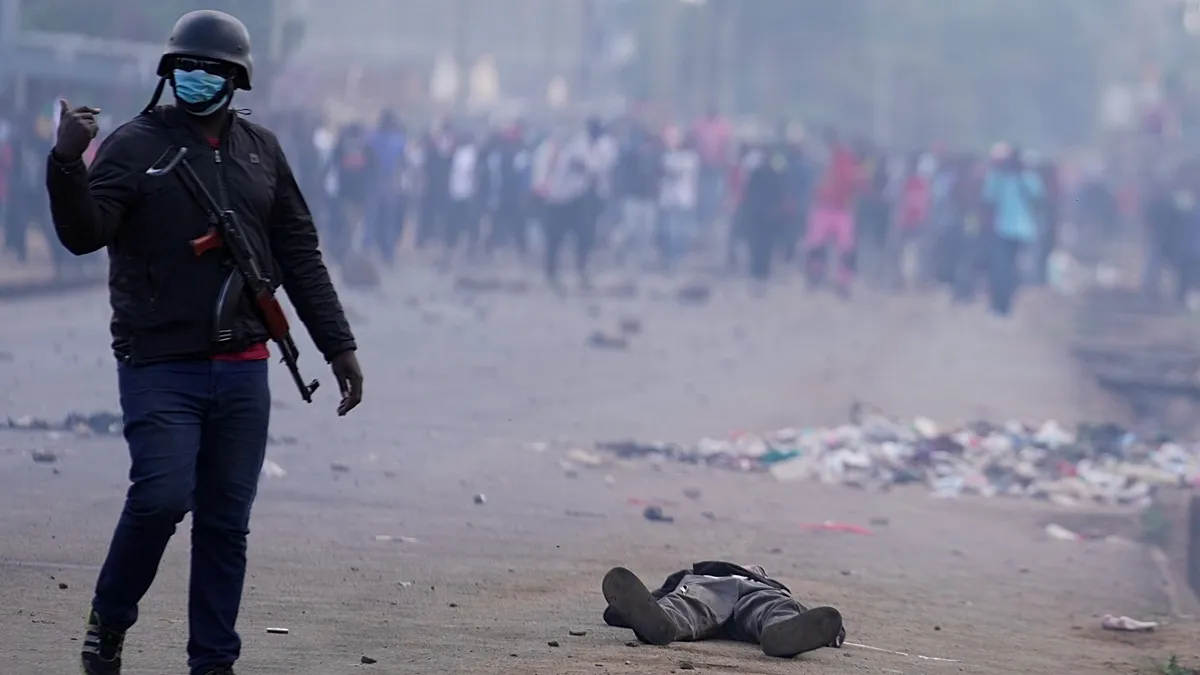
Deadly Clashes in Kenya as Protesters Fight US Ebola Quarantine Facility (June 10, 2026)
Background of the Quarantine Facility
Poinews.com – The recent escalation of tensions in Kenya has centered on the construction of a U.S.-funded Ebola quarantine facility, which has become a focal point for public discontent. Situated in a densely populated area, the facility was designed to serve as a critical component of Kenya’s efforts to combat the spread of the virus. However, its presence has sparked widespread protests, with demonstrators decrying the lack of local consultation and expressing fears about its impact on community health. The clashes, which have left several casualties in their wake, underscore a growing divide between the government and citizens over the management of emergency health infrastructure.
Protesters argue that the facility was established without adequate engagement with the affected communities, leading to accusations of authoritarian decision-making. They highlight the potential for the facility to act as a vector for the disease, despite Kenya’s current absence of confirmed cases. The protests have drawn comparisons to similar movements in other African nations, where health projects have been met with resistance due to perceived risks and cultural concerns. As tensions mount, the conflict has evolved into a broader debate about the balance between national security and public participation in critical decisions.
Community Protests and Public Outcry
Residents near the quarantine facility have taken to the streets in a show of solidarity, demanding greater transparency from the authorities. Some have organized rallies, while others have engaged in more direct forms of protest, such as blocking construction sites and setting up makeshift barriers. The focus keyword “deadly clashes in Kenya as protesters” encapsulates the intensity of the demonstrations, which have become a daily occurrence. Local leaders have called for urgent dialogue, emphasizing that the community’s concerns must be addressed to prevent further unrest.
“This facility was built in haste, and the people here feel ignored,” said a community representative during a recent protest. “We want to know how it will protect us, not just the U.S. government.”
The sentiment reflects a broader frustration with the rapid implementation of health measures without sufficient community input. Protests have also drawn international attention, with some observers criticizing Kenya’s approach to managing the crisis and questioning the role of foreign aid in shaping domestic policies.
Political and Health Debates Intensify
The controversy surrounding the facility has deepened political divisions, with critics accusing the government of prioritizing international partnerships over local needs. A constitutional watchdog group and the Law Society of Kenya have raised legal concerns, arguing that the project’s approval process failed to meet transparency standards. These challenges have not resolved the conflict but have instead highlighted the complexity of balancing public health priorities with civil liberties.
Meanwhile, health officials have defended the facility as a necessary step in Kenya’s fight against the Ebola outbreak. With neighboring Uganda reporting 19 confirmed cases, the facility is positioned to serve as a rapid response unit. However, its location and operational protocols have been scrutinized, with some experts warning that inadequate containment measures could lead to cross-border transmission. The deadly clashes in Kenya as protesters have amplified these fears, making the situation a flashpoint for both domestic and international scrutiny.
International Context and Regional Concerns
The U.S. government has remained steadfast in its support of the facility, framing it as a vital investment in global health security. Officials have emphasized Kenya’s strategic role in the region and the need for robust infrastructure to handle outbreaks. Yet, the facility’s establishment has strained relations with some African nations, which view it as an example of external influence on local governance. In Uganda, where the virus is spreading rapidly, the facility is seen as a potential solution, but its impact on Kenya’s communities remains a point of contention.
As the deadly clashes in Kenya as protesters continue, the debate over the facility has expanded beyond immediate health concerns. It now encompasses questions about sovereignty, economic investment, and the role of international partners in national health crises. The situation has also raised awareness about the importance of community involvement in infrastructure projects, particularly those with public health implications. This growing awareness may influence future decisions on similar initiatives in Kenya and beyond.
Aftermath and Ongoing Impact
In the wake of the deadly clashes in Kenya as protesters, the government has pledged to address the community’s grievances. A committee has been formed to review the facility’s operational protocols, and dialogue sessions have been scheduled with local stakeholders. However, the damage to public trust has already been significant, with many residents expressing skepticism about the government’s commitment to transparency. The protests have also drawn media attention, amplifying the narrative around the conflict and putting pressure on policymakers to act decisively.
Despite the recent measures, the situation remains volatile. The facility’s construction has not been halted, and tensions persist as both sides await further developments. The clashes have also sparked discussions about the need for stronger emergency preparedness plans and clearer communication strategies. As Kenya navigates this crisis, the outcome will likely shape its approach to future health initiatives and its relationship with international partners. The focus keyword continues to resonate in public discourse, ensuring its prominence in both local and global conversations about the Ebola outbreak.