Video. Frozen feasts and cool pools help Rome zoo animals survive heatwave
Video: Rome Zoo Implements Cooling Strategies to Combat Heatwave Adapting to Extreme Heat with Innovative Solutions Frozen feasts and cool pools help - Rome's

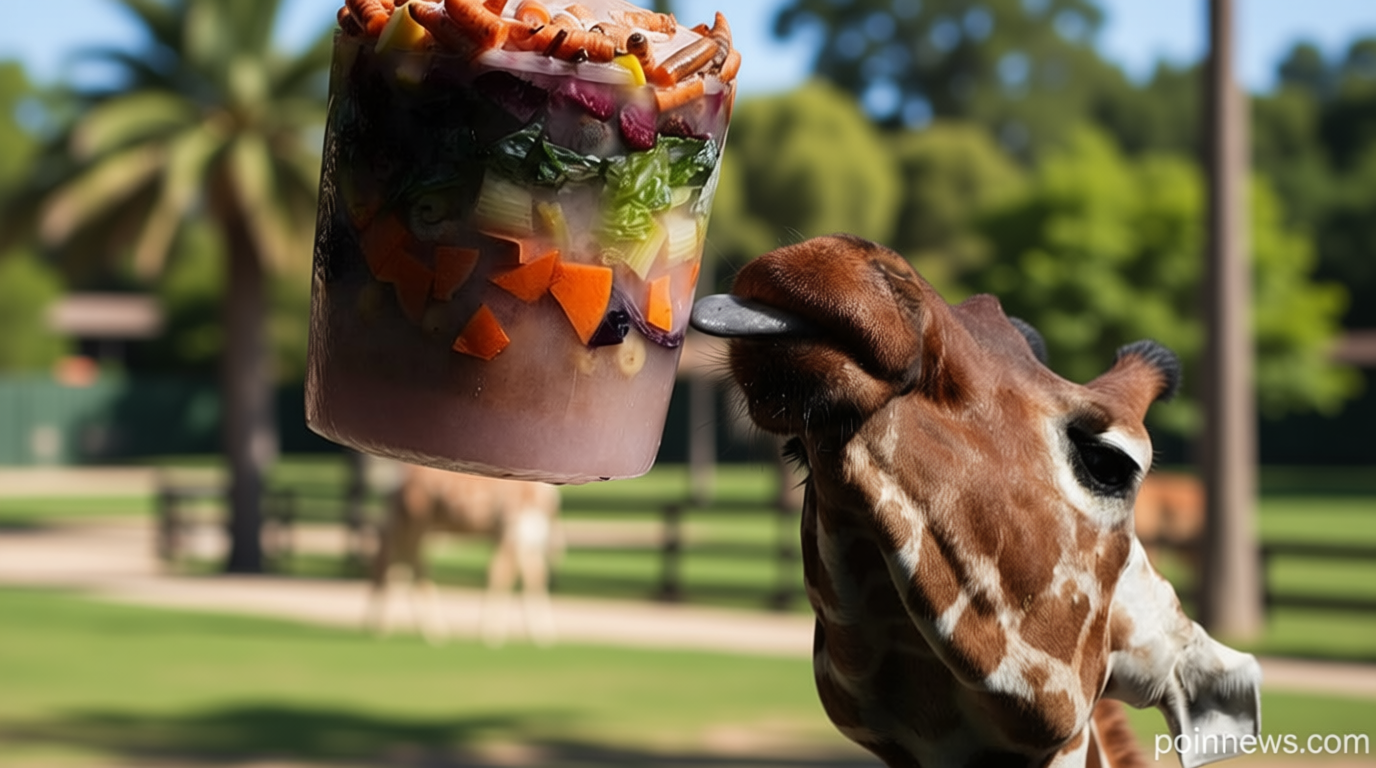
Video: Rome Zoo Implements Cooling Strategies to Combat Heatwave
Adapting to Extreme Heat with Innovative Solutions
Poinews.com – Rome’s Bioparco Zoo has taken proactive steps to safeguard its animals from the intensifying effects of a recent heatwave, employing creative tactics such as frozen feasts and cool pools. As temperatures in the city soared to unprecedented levels, the zoo introduced these measures to ensure the well-being of its diverse wildlife. The initiative highlights the growing need for adaptive strategies in maintaining animal welfare during periods of extreme weather. From mammals to reptiles, every species faces unique challenges in the summer heat, and the zoo’s efforts demonstrate a commitment to mitigating these risks through thoughtful, nature-inspired interventions.
Hydration and Thermoregulation Through Chilled Feeding
One of the zoo’s most notable strategies involves incorporating frozen feasts into the animals’ diets. This approach not only provides a refreshing treat but also helps regulate body temperatures for species that are particularly sensitive to heat. For instance, hippos and tapirs, which naturally seek out water to cool down, are now receiving ice-infused meals to mimic their behavioral patterns. Similarly, seals are housed in pools maintained at a temperature below 25°C, ensuring they remain comfortable. These adjustments align with the zoo’s goal of creating a more sustainable and stress-free environment for its residents, even in the face of rising summer temperatures.
“Frozen feasts and cool pools are essential for maintaining the health of our animals during extreme heat,” explained a spokesperson from Bioparco Zoo. “By simulating their natural habitats, we provide relief while encouraging them to stay active and engaged.”
Enhancing Enclosures with Cooling Technologies
Beyond the immediate introduction of chilled food and water, the zoo has also upgraded its enclosures to include advanced cooling technologies. These modifications are designed to replicate the microclimates found in wild environments, offering animals a sense of familiarity and reducing anxiety. For example, shaded structures and misting systems have been installed in certain areas to provide additional cooling. Meanwhile, indoor enclosures are equipped with air-conditioned zones to protect species that are less adapted to high temperatures. These efforts reflect a holistic approach to animal care, blending modern technology with traditional conservation practices.
Collaboration with Experts to Address Climate Challenges
The measures implemented at Bioparco Zoo are part of a broader collaboration with veterinary experts and climatologists to combat the impacts of climate change on wildlife. The zoo has worked closely with specialists to assess the specific needs of each animal species and tailor its cooling strategies accordingly. For instance, lemurs and other small primates, which are less able to regulate their body temperatures, have received special attention through modified feeding schedules and shaded resting areas. This partnership underscores the importance of interdisciplinary efforts in ensuring that zoos can respond effectively to environmental stressors.
Community Support and Public Awareness
The zoo’s response to the heatwave has also sparked interest among visitors and local communities. Educational signage and live-streamed updates have been introduced to inform the public about the measures being taken, fostering a greater understanding of animal care in extreme conditions. Visitors have reported increased engagement with the zoo’s initiatives, with many expressing appreciation for the creative ways the facility is helping animals cope. This blend of practical solutions and public outreach has strengthened the zoo’s role as both a sanctuary and an educational hub, emphasizing its dedication to animal welfare in the face of climate change.
As the heatwave continues to affect regions across Europe, Bioparco Zoo’s strategies serve as a model for other zoos and wildlife sanctuaries. The success of these measures has prompted discussions about the long-term integration of cooling systems into zoo infrastructure, ensuring that animals can thrive even in the most challenging climates. By combining traditional methods with modern technology, the zoo is not only addressing immediate concerns but also laying the groundwork for a more resilient approach to animal care in the future. Frozen feasts and cool pools may seem like simple solutions, but their impact on animal health and behavior is profound, offering a glimpse into the innovative ways zoos are adapting to a warming world.