Video. Italy: melting ice statues protest heatwave conditions in Rome
ce Statues Highlight the Climate Crisis Amid Record Heatwave Italy has taken a striking visual approach to address the escalating climate emergency, as a

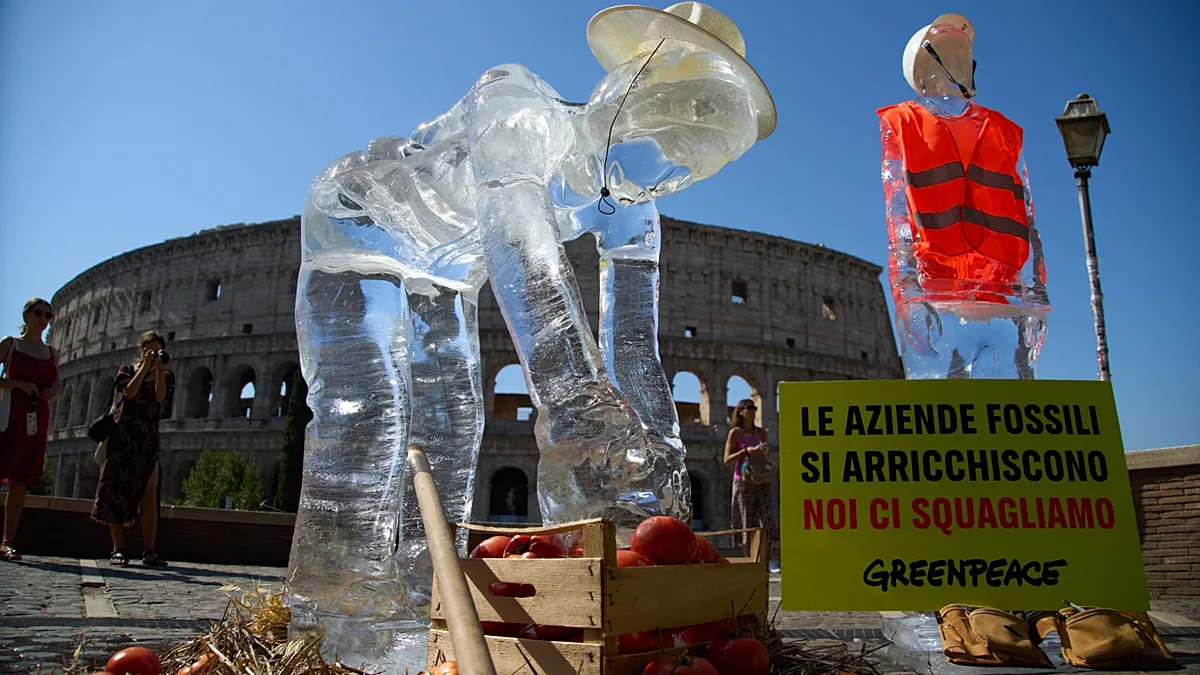
Table of Contents
Italy’s Melting Ice Statues Highlight the Climate Crisis Amid Record Heatwave
Poinews.com – Italy has taken a striking visual approach to address the escalating climate emergency, as a powerful protest unfolded in the heart of Rome. On July 15, environmental activists and labor unions unveiled three melting ice statues at the iconic Colosseum, symbolizing the human toll of extreme heatwaves. The statues, representing a farmer, a cyclist, and a construction worker, were designed to evoke the dire consequences of rising temperatures on outdoor workers and communities. This creative demonstration, organized by Greenpeace Italy and the CGIL union, served as a poignant reminder of the urgent need for climate action, with the focus keyword “Italy” woven naturally into the narrative to emphasize the country’s role in the global environmental conversation.
The Art of Protest: A Message from the Melting Statues
The artwork, titled *“Heat and Humanity,”* was crafted to capture the visceral reality of climate change in Italy. As the statues gradually melted under the scorching July sun, they became a metaphor for the vulnerabilities of individuals and industries facing the brunt of heatwave conditions. The artist, who remains unnamed, chose these three professions because they are emblematic of Italy’s economic and social fabric. Farmers, for instance, face prolonged droughts and disrupted harvests, while construction workers endure unsafe working conditions during peak temperatures. Cyclists, who often rely on weather conditions for their daily commutes, also symbolize the challenges of urban mobility in a warming climate.
“Fossil fuel corporations get rich, we melt.”
This evocative statement from the protest organizers encapsulates the core message of the event. The collaboration between Greenpeace Italy and the CGIL union aimed to bridge the gap between environmental advocacy and labor rights, highlighting how climate change exacerbates existing inequalities. The statues, placed strategically near the Colosseum, drew both local and international attention, turning the historic site into a platform for raising awareness about the interconnected crises of climate change and employment.
Italy’s Climate Challenges: A Broader Picture
The protest in Rome is part of a larger trend as Italy grapples with increasingly severe weather patterns. According to the Copernicus Climate Change Service, Europe as a whole has experienced temperature rises at twice the global average, and Italy is no exception. The summer of 2026 has seen prolonged heatwaves, with temperatures in Rome reaching up to 40°C (104°F) in late May, creating a perfect backdrop for the demonstration. These extreme conditions are not just environmental; they are socioeconomic, affecting everything from agriculture to public health.
“Heatwaves are not only endangering the environment but also threatening employment opportunities.”
Natale Di Cola, a spokesperson for the CGIL union, emphasized that the crisis is already disrupting Italy’s workforce. “Outdoor workers are at risk of heatstroke, dehydration, and reduced productivity,” he said. The protest sought to pressure policymakers to implement stricter labor protections, such as mandatory rest periods, shaded workspaces, and increased funding for climate resilience programs. By linking the melting statues to real-life struggles, the organizers aimed to humanize the data and create a compelling case for action.
Rome’s Response: Combating the Heatwave with Innovation
While the protest was a symbolic act, Rome’s authorities have also taken practical measures to mitigate the effects of the heatwave. The city introduced water cannons and misting units in public spaces, including the Colosseum, to provide immediate relief to citizens. These initiatives, however, have sparked debate about their long-term effectiveness and whether they address the root causes of the problem. Critics argue that such temporary solutions do little to combat the systemic issues driving climate change, particularly the reliance on fossil fuels that contribute to rising temperatures.
“We need to invest in renewable energy and sustainable infrastructure, not just cool the streets.”
Simona Abbate, a Greenpeace Italy campaigner, reiterated this point during the event. “Italy’s energy policies must prioritize the transition to clean power,” she said, calling for a reduction in carbon emissions and a commitment to climate resilience. The protest also drew attention to the role of oil and gas companies in Italy’s economy, urging for higher taxes on these industries to fund environmental initiatives. By combining art with activism, the organizers hoped to inspire both public engagement and political change, ensuring that Italy remains at the forefront of the global climate movement.
As the statues melted, they left behind a trail of water that symbolized the urgency of the situation. The event marked a turning point in how Italy is approaching climate challenges, with a growing emphasis on public participation and policy reform. With heatwaves expected to become more frequent and intense in the coming decades, the protest serves as a stark warning: without immediate action, the melting ice will not be limited to the statues, but will become a reality for Italy’s people and landscapes.