Video. Spain: Pope Leo XIV blesses new Sagrada Familia tower, now world’s tallest church
Pope Leo XIV Blesses Sagrada Familia Tower in Spain, Making It Tallest Church A Historic Milestone for Barcelona Spain’s Barcelona has witnessed a significant

Pope Leo XIV Blesses Sagrada Familia Tower in Spain, Making It Tallest Church
A Historic Milestone for Barcelona
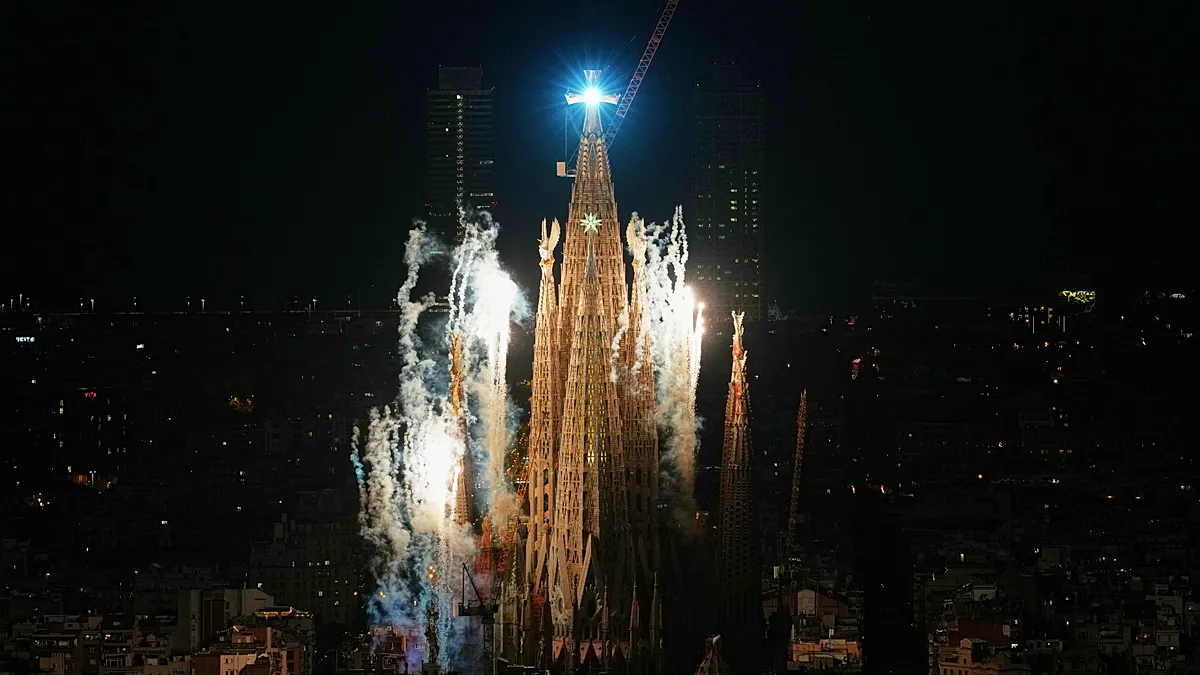
Poinews.com – Spain’s Barcelona has witnessed a significant moment in its cultural and religious history as Pope Leo XIV officially blessed the newly completed tower at the iconic Sagrada Familia. This event, held during the pontiff’s visit to the country, has sparked widespread excitement among locals and visitors alike. The basilica, a masterpiece of modernist architecture and a symbol of Spain’s spiritual heritage, now stands as the tallest church in the world, with its soaring spire reaching an unprecedented height. The ceremony, attended by thousands, highlighted the nation’s pride in this architectural marvel, which has been under construction for over a century. The Pope’s presence added global significance to the occasion, emphasizing Spain’s role in preserving and promoting Gaudí’s visionary design.
Located in the heart of Barcelona, the Sagrada Familia is a UNESCO World Heritage Site and one of Spain’s most recognizable landmarks. Its construction began in 1882, following the death of architect Antoni Gaudí, who had devoted his life to the project. Despite being unfinished for over 140 years, the basilica has continued to captivate the world with its intricate details and innovative design. The newly completed tower, which crowns the building, is a culmination of decades of work by a team of architects, engineers, and artisans. The Pope’s blessing not only marks the completion of this phase but also celebrates Spain’s enduring commitment to this sacred project, which remains a beacon of national identity and artistic excellence.
Symbolism and Spiritual Significance
As the Pope led the blessing ceremony, he reflected on the spiritual and symbolic importance of the Sagrada Familia. The event served as a tribute to Gaudí, whose untimely death in 1926 left the basilica’s construction in the hands of successors. The Pope’s words during the service resonated deeply, as he connected the tower’s completion to the broader legacy of Gaudí’s work. “This tower is a testament to Gaudí’s genius and the collective effort to realize his dream,” he said, echoing the sentiments of many Spaniards who view the basilica as a living monument to their country’s artistic and spiritual aspirations. The ceremony also underscored the role of faith in Spain, where the Sagrada Familia continues to draw pilgrims and tourists from across the globe.
The unveiling of the tower has transformed the Sagrada Familia into an even more striking example of architectural ambition. Standing at a height of 165 meters, it surpasses previous records and solidifies Spain’s place in the annals of ecclesiastical design. The structure’s unique blend of Gothic and Art Nouveau elements reflects Gaudí’s deep connection to both Spanish and Catalan traditions. Visitors are now greeted by the imposing new spire, which adds a dramatic focal point to the basilica’s already awe-inspiring façade. This development has heightened Spain’s visibility as a destination for architectural and religious tourism, drawing international attention to its cultural treasures and historical depth.
Impact on Spain’s Cultural Landscape
The Sagrada Familia’s transformation into the world’s tallest church has sparked renewed interest in Spain’s cultural heritage. For decades, the basilica has been a symbol of perseverance and creativity, with its construction spanning multiple generations. The completion of the tower marks a new chapter in this story, as Spain continues to invest in the project’s final stages. The government, alongside private donors and international partners, has played a crucial role in funding the ongoing work. This collaboration highlights Spain’s ability to blend tradition with modern innovation, ensuring that Gaudí’s vision remains a reality for future generations. The event also served as a reminder of the country’s rich history of religious architecture, from medieval cathedrals to contemporary masterpieces.
Spain’s commitment to the Sagrada Familia is evident in the meticulous attention to detail that defines the new tower. Designed with advanced engineering techniques, the spire features a complex network of columns and vaults that echo Gaudí’s original sketches. The structure’s completion has not only added to the basilica’s grandeur but also redefined its status as a global icon. As one of the most visited sites in Spain, the Sagrada Familia now attracts even greater numbers of tourists, bolstering the local economy and reinforcing the nation’s cultural appeal. The Pope’s blessing has further amplified its significance, turning the event into a moment of collective pride for the people of Spain and a celebration of their artistic legacy.
Reflections and Future Prospects
Following the blessing, the Pope expressed his admiration for the Sagrada Familia’s progress, acknowledging the challenges faced during its construction. He noted that the tower’s completion represents not just a physical achievement but also a spiritual one, as it brings Gaudí’s dream closer to fulfillment. The event drew widespread media coverage, with reports highlighting Spain’s role in the project’s evolution. The basilica, which has been a source of national pride for centuries, now stands as a testament to the country’s ability to sustain long-term artistic and religious endeavors. As the final stages of the Sagrada Familia near completion, Spain is poised to become a focal point for discussions about the future of architectural heritage and the preservation of cultural landmarks.
The Sagrada Familia’s new tower is expected to attract even more visitors, with its unique design drawing admiration from both tourists and scholars. Spain’s tourism industry, already a major economic driver, will benefit from this landmark achievement. The basilica’s continued construction also serves as a reminder of the country’s dedication to honoring its past while embracing the future. As the Pope’s blessing ceremony concluded, the crowd erupted in applause, celebrating the moment that has redefined the skyline of Barcelona and Spain’s cultural identity. The event underscores the enduring relevance of the Sagrada Familia, not just as a religious site but as a symbol of Spain’s resilience and artistic spirit in the modern era.