Russia ‘lost standing’ despite ‘a breather’ from higher oil prices, IMF chief says
Russia 'Loses Standing' Despite Oil Price Breather, IMF Says Russia lost standing despite a breather - Despite a temporary reprieve from higher oil prices

Russia ‘Loses Standing’ Despite Oil Price Breather, IMF Says
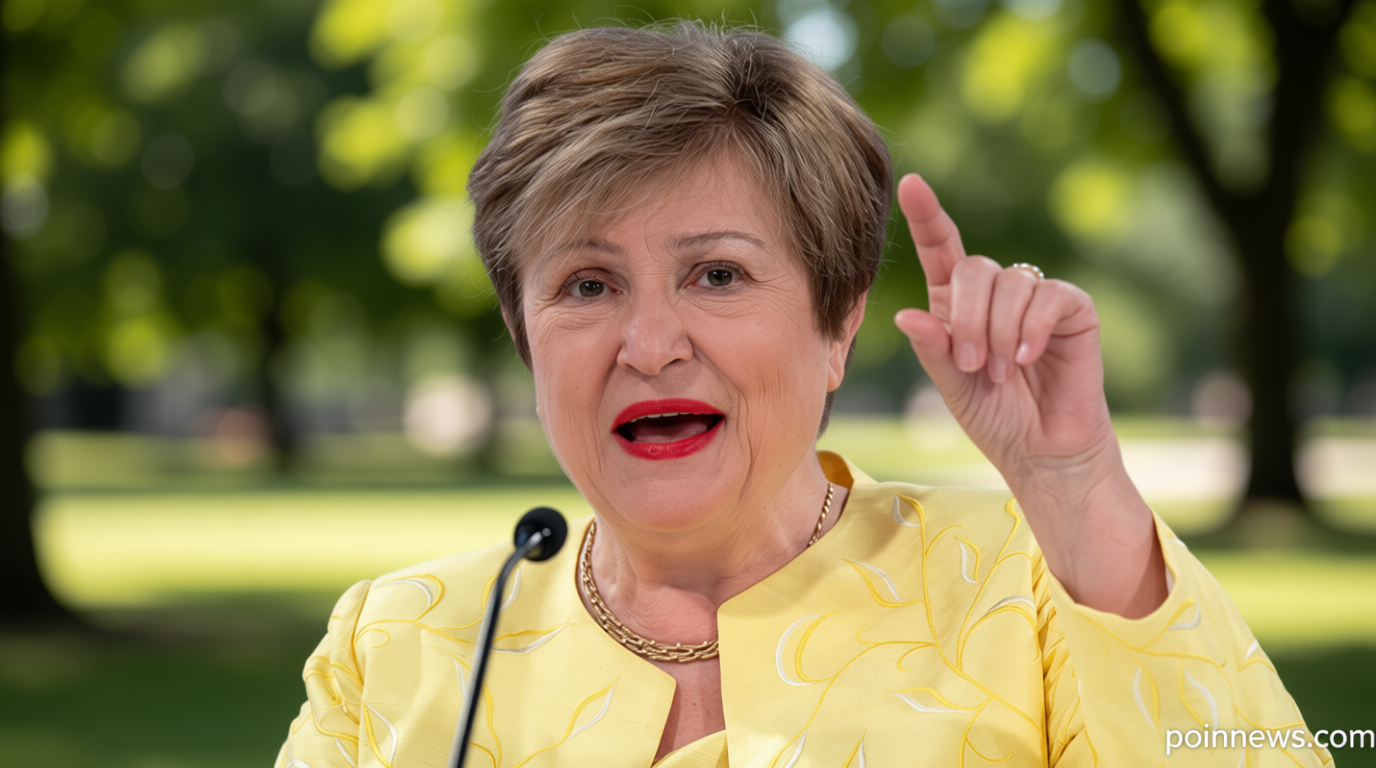
Poinews.com – Despite a temporary reprieve from higher oil prices, Russia has effectively lost its economic standing, according to Kristalina Georgieva, the International Monetary Fund’s (IMF) managing director. In a recent interview with Euronews, Georgieva highlighted that the country’s resilience has been tested by the war-driven economic shifts, which have led to a notable decline in its global position. “Russia lost standing despite a breather from higher oil prices,” she said, emphasizing that while energy revenues provided some relief, they were not enough to offset the broader structural challenges the nation now faces.
IMF’s Revised Economic Outlook
The IMF’s latest growth forecast for Russia reflects a more pessimistic view of the country’s economic trajectory. Initially projected at 0.8% for 2026, the revised estimate stands at 1.1%, a modest improvement but still below pre-war levels. Georgieva explained that this adjustment captures only part of the story, as the economic strain from the conflict continues to weigh heavily on Russia’s long-term prospects. “Russia lost standing despite a breather from higher oil prices,” she reiterated, noting that the recent uptick in energy prices cannot fully reverse the country’s economic decline.
“The higher oil prices do give a breather to Russia,” Georgieva remarked, but added that the windfall has been used primarily to rebuild financial buffers rather than stimulate broader economic growth. “What we see in the oil and gas sector in Russia, there is a tremendous problem with lack of technological renewal that is restricting the ability of the sector to expand,” she said, pointing to the cumulative impact of sanctions on technological development. This has left Russia struggling to maintain efficiency and competitiveness in a global market that is increasingly shifting away from reliance on fossil fuels.
Georgieva also stressed that Russia’s potential growth rate has dropped from 1.6% before the war to a current estimate of just 1%. “Material impact on growth in Russia is expected,” she warned, highlighting that the country’s economic prospects are now more fragile than they were a few years ago. The IMF chief acknowledged that the oil price breather has provided some stability, but warned that it is not a long-term solution to the deeper issues plaguing Russia’s economy.
Structural Challenges and International Isolation
The erosion of Russia’s international standing has had far-reaching consequences for its economic stability. Georgieva outlined three key factors contributing to this decline: population loss, sanctions, and the diminishing influence of the country on the global stage. “Russia lost standing despite a breather from higher oil prices,” she said, underscoring how the war has disrupted trade relationships and investment flows. The loss of young people to migration has further strained the labor market, exacerbating demographic concerns.
“A country that was in a demographic decline to begin with now lost so many young people for a terrible reason,” Georgieva explained. This brain drain has limited Russia’s ability to innovate and adapt to changing economic conditions. Meanwhile, sanctions have not only restricted access to advanced technology but have also forced the nation to rely more heavily on its oil and gas exports, which now account for a larger share of its GDP. “That translates into many tangible and non-tangible losses,” she said, referring to the diminished opportunities for young Russians to engage with Europe and other global partners.
Georgieva’s remarks come amid growing concerns about Russia’s ability to sustain its economic model. While the oil price breather has provided some short-term relief, it has not addressed the underlying issues of structural inefficiency and international sanctions. “Russia is coming crippled,” she concluded, as the nation grapples with the long-term implications of its economic choices and geopolitical decisions. The IMF chief’s analysis suggests that the country’s decline is not just a temporary setback but a fundamental shift in its global economic role.