EU energy ministers eye jet fuel reserves as Strait of Hormuz crisis threatens supply
EU Energy Ministers Consider Jet Fuel Reserves Amid Hormuz Crisis EU energy ministers eye jet fuel - As the summer travel season approaches, European energy

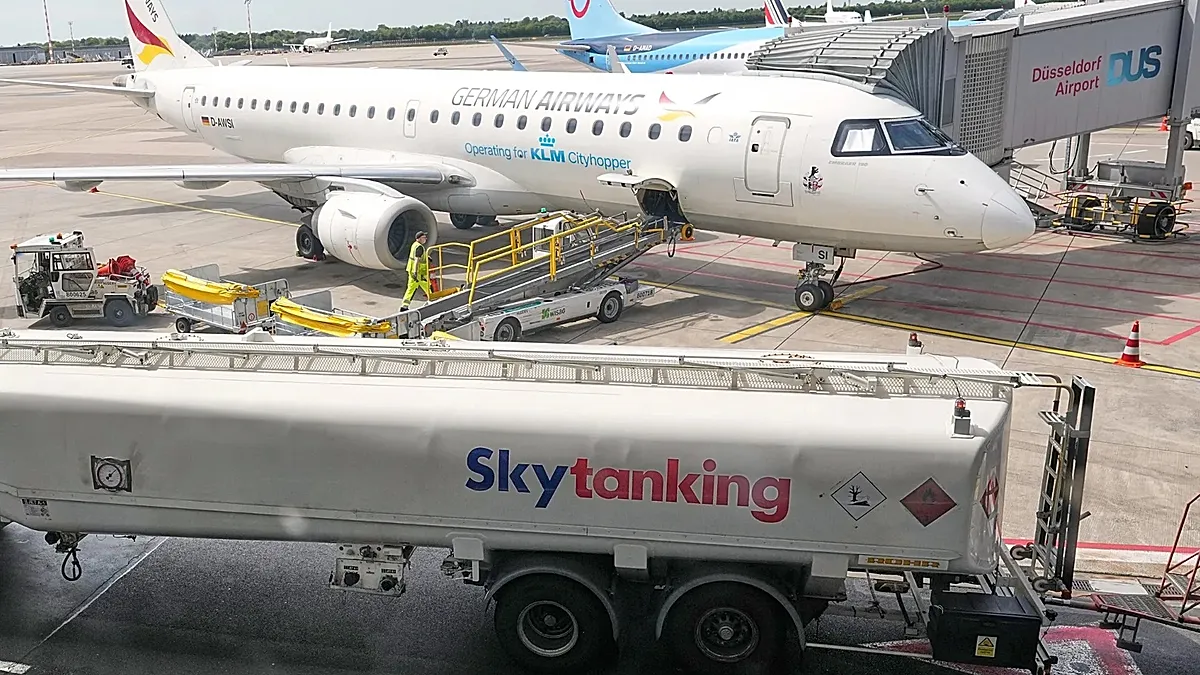
EU Energy Ministers Consider Jet Fuel Reserves Amid Hormuz Crisis
Poinews.com – As the summer travel season approaches, European energy ministers are examining the strategic release of jet fuel reserves to counteract potential supply disruptions caused by the ongoing crisis in the Middle East, according to a document shared with Euronews. The European Council’s preparatory briefing for the June 26 meeting of EU energy ministers highlights concerns over aviation fuel, which has become the most vulnerable sector amid the prolonged closure of the Strait of Hormuz, now entering its third month without resolution.
Strategic Fuel Releases
The document underscores that while crude oil and natural gas markets have managed to avoid severe shortages, jet fuel remains at heightened risk due to its reliance on shipping through the Strait of Hormuz. If commercial supplies falter later this year, ministers are looking to coordinate the use of strategic reserves, including jet fuel stockpiles, to mitigate the impact.
“Jet fuel is gaining attention as demand peaks during the summer. The risk of drawing on strategic reserves to address shortfalls before the year concludes is both real and imminent,” the briefing states.
Market Pressures
The Strait of Hormuz closure has significantly reduced tanker traffic through a vital global energy artery, disrupting Middle Eastern oil exports and causing market instability. In response, the International Energy Agency (IEA) released 400 million barrels of oil in March, with Europe contributing refined products like jet fuel to address regional shortages.
Despite a decline in oil prices since the conflict began, refined fuels have faced persistent pressure, with jet fuel experiencing the sharpest increases. Some regional markets saw prices double during the peak of the disruption, according to the Council’s analysis. However, George Shaw of Kpler, a market intelligence firm, noted a “sharp movement” toward boosting jet fuel production across European refineries.
Supply Chain Adjustments
The EU’s refining capacity is concentrated in Germany, Italy, Spain, and the Netherlands, while U.S. imports are expected to rise. Nigeria also plays a key role in fuel imports, though Middle Eastern exports have been diminished. Shaw warned that as summer progresses, especially around August and September, demand will strain supply chains, though current inventory levels and alternative routes are providing temporary relief.
Industry Concerns
ACI Europe, representing European airports, alerted the European Commission in April that a “systemic” jet fuel shortage could become a reality if the Strait of Hormuz remains closed for the next three weeks. This caution was echoed by IEA chief Fatih Birol, even as some airlines, such as Air Canada and Lufthansa, expressed confidence in avoiding mass cancellations.
“While we expect no immediate shortages, current market conditions reveal broader vulnerabilities,” said a spokesperson for the International Air Transport Association (IATA). “The EU should adjust its ‘anti-tankering’ rules to allow fuel to be redirected where it is most needed, reducing administrative hurdles.”
Growing Risk
Although widespread shortages have not yet materialized, EU energy ministers acknowledge the escalating threat as demand surges. High pre-crisis stock levels, increased imports from the U.S. and Nigeria, and lower demand in certain sectors have so far shielded consumers from major disruptions. However, these measures are unlikely to sustain indefinitely, leaving the region exposed to potential crises.