Future of the VW Osnabrück plant: Is the Iron Dome missile deal at risk of collapse?
VW Osnabrück Plant's Future Hangs in Balance Over Iron Dome Deal Future of the VW Osnabrück plant - The future of the VW Osnabrück plant is now intertwined

VW Osnabrück Plant’s Future Hangs in Balance Over Iron Dome Deal
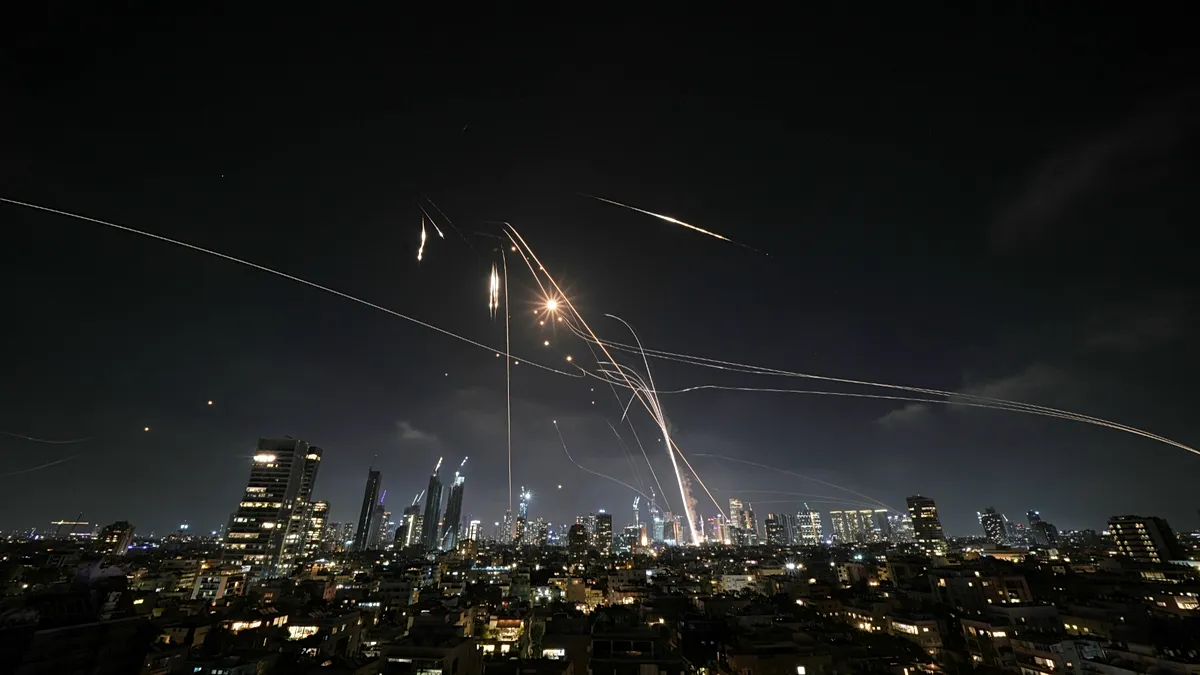
Poinews.com – The future of the VW Osnabrück plant is now intertwined with the potential collapse of the Iron Dome missile deal, as Israeli defense firm Rafael Advanced Defense Systems explores expanding its production capabilities in India. This development has sparked concerns within Volkswagen AG about the plant’s role in the European defense sector. Initially earmarked for manufacturing components of the Iron Dome system, the Osnabrück facility could face a major setback if Rafael shifts its focus to Indian production, according to reports from the Bild newspaper and industry insiders.
Rafael’s Strategic Shift and Volkswagen’s Concerns
Recent internal discussions suggest Rafael is evaluating the possibility of producing Tamir missile interceptors in India, a move that could undermine Volkswagen’s plans to leverage the Osnabrück plant for defense-related manufacturing. The plant, which has been a key hub for automotive production in Lower Saxony, is now being considered as a potential site for producing parts for the Israeli Iron Dome system. This strategic pivot raises questions about the long-term commitment of the German automaker to its European manufacturing footprint.
“The decision to establish production in India could have far-reaching consequences for the Osnabrück plant’s future,” analysts noted, emphasizing the growing competition in global defense manufacturing.
Volkswagen’s potential involvement in the Iron Dome project was initially seen as a way to diversify its operations and secure its position in the European defense market. However, the company’s recent collaborations with Rafael have now become a focal point of uncertainty, as the Israeli firm’s plans to scale production elsewhere threaten to reshape the plant’s economic role.
Qatar’s Influence on the Volkswagen-Iron Dome Partnership
The Qatar Investment Authority (QIA), Volkswagen’s largest shareholder with 17% voting rights, has been a critical player in the negotiations surrounding the Iron Dome deal. QIA’s cautious stance toward collaborations with the Israeli government has added complexity to the discussions, as it seeks to balance economic interests with geopolitical considerations. This influence is particularly significant given the plant’s location in Germany, which is a major hub for European defense manufacturing.
Revealed by Reuters, the QIA’s involvement highlights the broader implications of the Iron Dome deal for Volkswagen’s strategic direction. The automaker’s existing production lines in the U.S., such as the one in Arkansas partnered with Raytheon, may serve as a blueprint for its potential shift toward defense manufacturing. However, the success of this initiative depends heavily on the stability of the Iron Dome partnership and the willingness of Rafael to maintain its commitment to European production.
Job Security and Economic Implications
The potential reassignment of the Osnabrück plant from automotive to defense manufacturing has sparked debates about job security for its 2,300 employees. With vehicle production set to conclude by 2027, the facility faces the risk of becoming a relic of the automotive industry unless it secures a new purpose. Lower Saxony’s government has already explored financial support to transition the plant into a defense production center, as detailed by Capital magazine.
Such a shift could bring significant economic benefits to the region, including the creation of high-skilled jobs and increased industrial activity. However, it also raises concerns about the long-term viability of the plant’s transition. Industry experts warn that without a clear commitment from Rafael, the Osnabrück facility may struggle to maintain its relevance in the evolving global defense landscape. The future of the VW Osnabrück plant now hinges on the ability of all parties to navigate these challenges.
Global Competition and the “Make in India” Initiative
India’s aggressive “Make in India” initiative has positioned the country as a key player in the global defense manufacturing sector, drawing interest from firms like Rafael. This strategy aims to reduce reliance on foreign imports and boost domestic production, which aligns with Rafael’s potential move to establish Tamir missile manufacturing in the region. The success of this initiative could redefine the dynamics of the defense industry, impacting not only Volkswagen’s plans but also the broader European market.
Analysts suggest that the Iron Dome deal’s collapse would mark a turning point for the Osnabrück plant. If Rafael redirects its efforts to India, Volkswagen may need to reconsider its investments in the facility. This scenario underscores the growing importance of global supply chains in the defense industry and the delicate balance between geopolitical alliances and economic pragmatism. The future of the VW Osnabrück plant is now a symbol of the intersection between automotive and defense manufacturing in Europe.
Potential Scenarios and the Road Ahead
As the negotiations continue, several scenarios could unfold for the Osnabrück plant. One possibility is that Volkswagen and Rafael will reach a compromise, allowing the plant to retain a role in defense production while also supporting the “Make in India” initiative. Another is that the plant may be restructured or even closed, with its workforce transitioning to other industries or facing layoffs.
Regardless of the outcome, the future of the VW Osnabrück plant will have ripple effects across the European automotive and defense sectors. The plant’s transition could serve as a model for other European facilities seeking to adapt to changing market demands. Meanwhile, the Iron Dome deal’s stability remains a crucial factor in determining whether Volkswagen will continue its venture into defense manufacturing or pivot toward alternative strategies. With the stakes high, all parties involved are now racing to secure the plant’s future before the final decision is made.