US withdraws long-range military capabilities from NATO
US Withdraws Long-Range Military Capabilities from NATO US withdraws long range military capabilities - The United States has announced its intention to scale

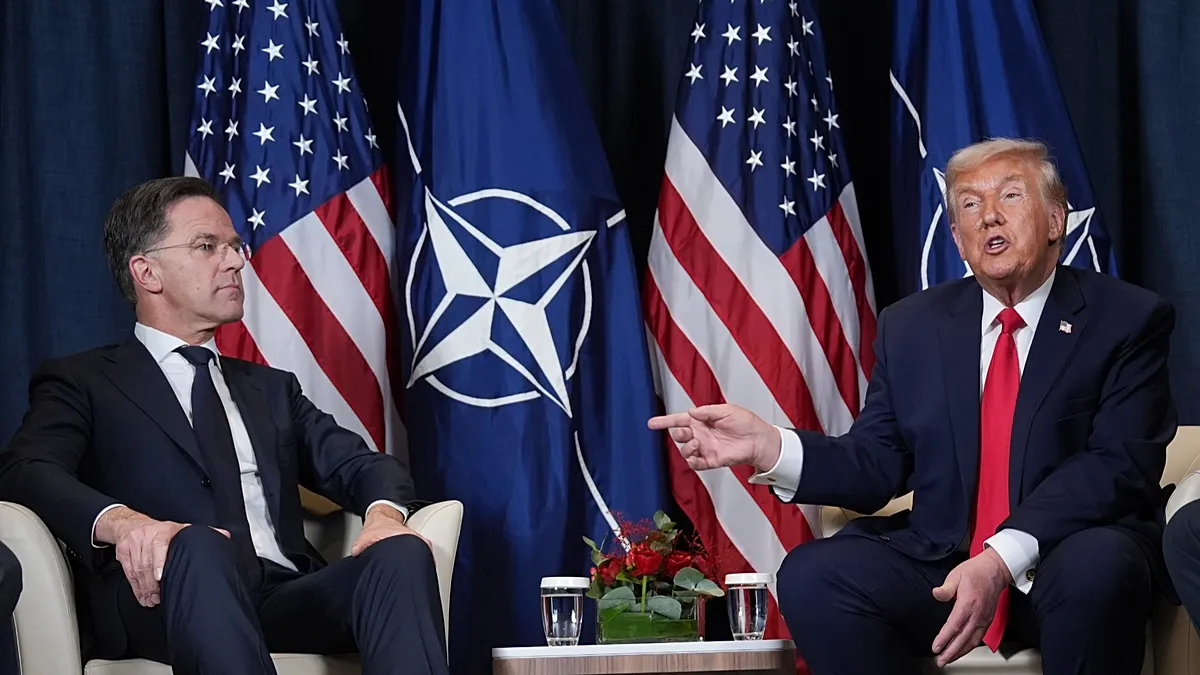
US Withdraws Long-Range Military Capabilities from NATO
Poinews.com – The United States has announced its intention to scale back its long-range military contributions to NATO, signaling a significant shift in the alliance’s strategic posture. This decision, part of a broader realignment of US defense priorities, aims to reduce the availability of deep strike capabilities to European allies. By withdrawing key assets such as long-range bombers, naval units, and aerial refueling tankers, the Pentagon is redefining its role in global security. The move underscores a growing emphasis on Asia-Pacific engagements while reshaping NATO’s capacity to respond to threats in Eastern Europe.
The Strategic Shift in US-NATO Military Cooperation
The reduction of long-range military capabilities involves the removal of advanced platforms like the B-2 and B-52 strategic bombers, as well as missile-launching submarines and aircraft carriers. These assets, which provide critical long-range strike options and maritime surveillance, will be redirected to other regions of strategic importance. Additionally, the number of F-16 and F-15E fighter jets available to NATO from the current 150 will be cut to 100, while maritime reconnaissance aircraft will see a decrease from 26 to 15. This adjustment also includes the withdrawal of all eight aerial refueling tankers that support NATO operations in Europe.
The changes are being integrated into NATO’s Force Model, a framework that determines the allocation of military resources based on deterrence requirements and threat assessments. The US European Command has confirmed the need to “right size” its contributions, aligning them more closely with the alliance’s evolving strategic goals. While this reconfiguration is expected to streamline operations, it raises concerns about the potential impact on NATO’s rapid response capabilities, particularly in scenarios involving high-intensity conflicts.
European Allies’ Response and the Impact on NATO’s Capabilities
European nations have expressed mixed reactions to the US withdrawal. Some leaders, like Dutch Prime Minister Rutte, have acknowledged the necessity of adjusting NATO’s footprint, stating,
“We know that adjustments will take place. The US has to pivot toward, for example, Asia.”
However, others have voiced apprehension about the reduced support. With the US pulling back its long-range military assets, European allies are being urged to increase their defense spending and operational readiness to compensate for the gap. This shift has prompted discussions about the role of the European Defence Agency and the potential for greater joint military initiatives among member states.
The decision has also intensified debates within NATO about the balance of responsibilities between the US and European members. Critics argue that the withdrawal may weaken the alliance’s ability to project power quickly, especially in light of ongoing tensions with Russia and the potential for renewed conflicts in the region. Analysts suggest that while the US will maintain its strategic presence elsewhere, the loss of deep strike capabilities could leave NATO more vulnerable to surprise attacks or rapid escalation scenarios.
Meanwhile, the reduction of long-range military capabilities has sparked a renewed focus on interoperability and supply chain resilience among European allies. Countries like Germany, France, and the UK are reportedly accelerating their investments in long-range missile systems and cyber defense infrastructure. This collaborative effort aims to ensure that NATO remains capable of deterring aggression without relying solely on US contributions. The success of such initiatives will be crucial in maintaining the alliance’s cohesion and effectiveness in the face of evolving security challenges.
As the US continues to prioritize its strategic interests in Asia, the long-range military withdrawal from NATO reflects a broader realignment of global power. This shift is part of a larger trend in US foreign policy, which has increasingly emphasized the Indo-Pacific region over Europe. While the move may be seen as a necessary adjustment, it also highlights the growing reliance of NATO on its member states to sustain its collective defense commitments. The long-term implications of this strategy will depend on how effectively European nations can adapt to the new security landscape and maintain their contributions to the alliance’s strength.