How can Europe compete with the US and China economically? MEPs debate on The Ring
How Can Europe Compete with the US and China Economically? MEPs Debate on The Ring The Challenge of Global Economic Leadership How can Europe compete with the

How Can Europe Compete with the US and China Economically? MEPs Debate on The Ring
The Challenge of Global Economic Leadership
Poinews.com – The question of how can Europe compete with the US and China in the global economy has sparked intense discussions among European Parliament members. The European Union, which represents 450 million consumers and serves as the world’s largest trading bloc, faces mounting pressure from the United States and China, both of which have established robust economic frameworks and technological advancements. Despite its strengths, Europe is increasingly seen as a trailing force in key sectors like artificial intelligence, semiconductors, and green energy. The debate on The Ring underscores the urgency of redefining the EU’s approach to maintain its position as a global economic leader.
Strategies for Economic Resilience
European leaders are divided on the best path forward. Some argue for deeper integration within the bloc to consolidate resources and create a unified front against external competition. Others emphasize the need for deregulation to foster innovation and attract investment. How can Europe compete effectively requires a nuanced strategy that balances growth with sustainability. The European Parliament’s focus on the single market and capital markets union reflects this push for cohesion, but critics warn that such measures alone may not be enough to counteract the structural advantages of the US and China.
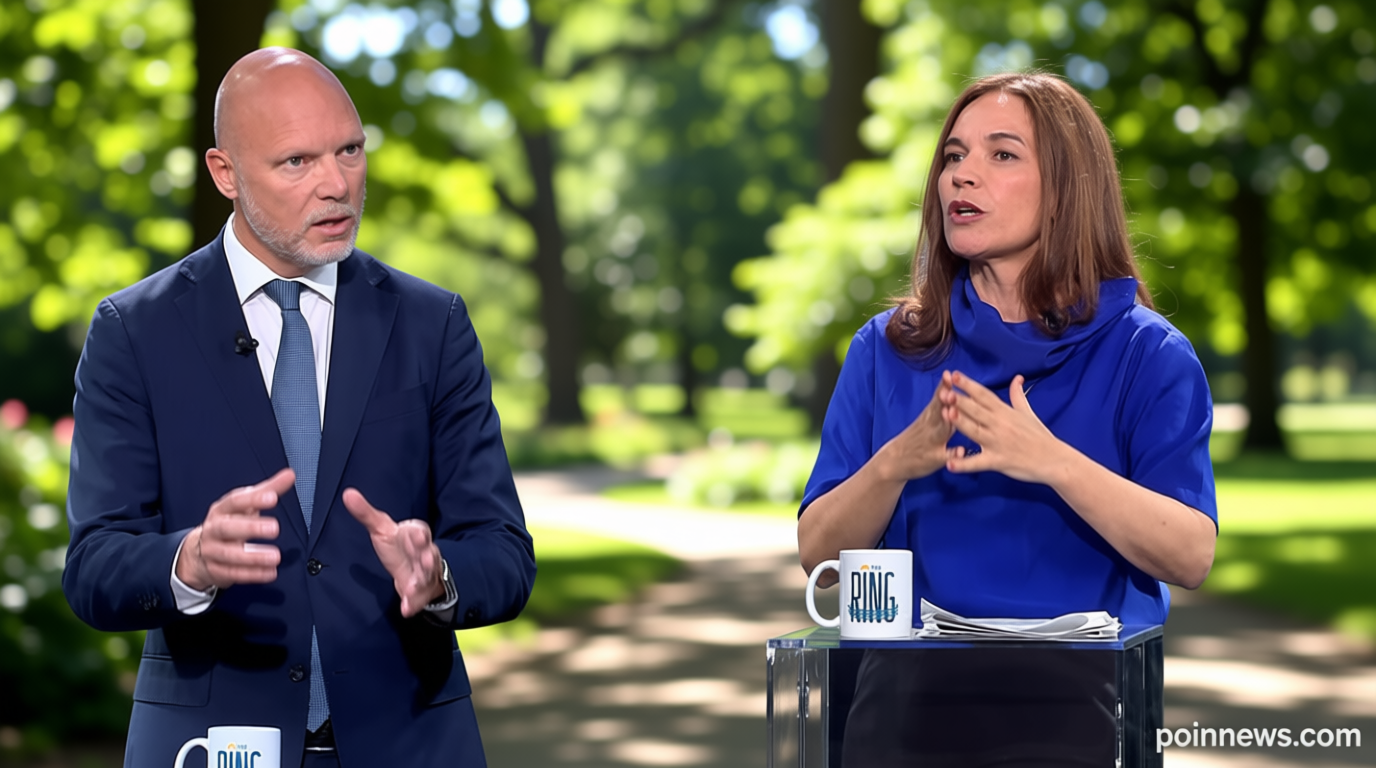
One key challenge is the EU’s fragmented regulatory environment. While this has historically supported high labor standards and environmental protections, it also creates barriers for businesses aiming to scale globally. MEPs like Lina Gálvez highlight the importance of completing the single market and streamlining trade policies to enhance Europe’s appeal to foreign investors. Meanwhile, proponents of deregulation, such as Jörgen Walborn, stress that reducing bureaucratic hurdles is essential for maintaining competitiveness in a fast-paced world economy.
Industry-Specific Pressures
How can Europe compete in manufacturing? The US and China have leveraged massive investments and supply chain efficiencies to dominate sectors like automotive and electronics. The EU, with its emphasis on sustainability and quality, often lags in cost-effectiveness. However, the bloc’s commitment to green technologies offers a potential edge. For example, the renewable energy sector in Europe is seeing rapid growth, driven by strict environmental regulations and innovative research. Yet, this progress is often offset by higher production costs compared to countries with lower labor expenses.
In the tech industry, Europe’s reliance on global talent and venture capital highlights another challenge. While the US leads in Silicon Valley-driven innovation, and China excels in state-backed tech giants, the EU struggles to keep pace. How can Europe compete in this arena requires a combination of investment in R&D, talent retention strategies, and a streamlined regulatory environment. The debate on The Ring suggests that these areas must be prioritized to prevent the EU from becoming a secondary player in the tech race.
The Role of Policy and Innovation
Policy plays a critical role in how can Europe compete with the US and China. The European Union’s current economic strategy emphasizes social protections and environmental goals, but these priorities must be aligned with market demands. For instance, while the EU’s carbon neutrality targets are commendable, they could be enhanced by incentives for green innovation. Similarly, the bloc’s regulatory framework, though protective, may need adjustments to support startups and scale-ups in emerging industries. The Ring episode highlights the need for a balanced approach that sustains European values while adapting to global economic realities.
Another point of contention is the EU’s stance on free trade. While some MEPs advocate for opening new markets through trade agreements, others fear that such moves might erode domestic industries. How can Europe compete in this dynamic landscape? The answer lies in strategic partnerships that combine the bloc’s strengths with the opportunities of global markets. By leveraging its reputation for quality and sustainability, Europe can carve out a unique niche, even as it negotiates trade deals with the US and China. The challenge is ensuring that these agreements do not compromise the EU’s long-term vision.
The Future of European Economic Strategy
As the debate continues, the EU is under pressure to adopt bolder measures. How can Europe compete in an era of rapid technological change and geopolitical rivalry? MEPs are calling for increased investment in critical raw materials, digital infrastructure, and industrial innovation. The episode on The Ring emphasizes that without such initiatives, the EU risks losing its competitive edge in sectors vital to future economic growth. The discussion also highlights the importance of fostering a culture of entrepreneurship and encouraging public-private partnerships to drive progress.
Ultimately, the debate on The Ring serves as a reminder that how can Europe compete is not just an economic question but a strategic one. The EU must reconcile its social and environmental commitments with the need for efficiency and adaptability. By embracing a vision that blends integration with innovation, Europe can position itself as a formidable force in the global economy. The episode concludes with a call to action, urging policymakers to act decisively in shaping the future of European economic strategy.