‘Land of the fulfilled farmers’: Why the grass seems to grow greener in Austria
Land of the fulfilled farmers: Why the grass seems to grow greener in Austria Land of the fulfilled farmers - Austria’s reputation as the "Land of the

Land of the fulfilled farmers: Why the grass seems to grow greener in Austria
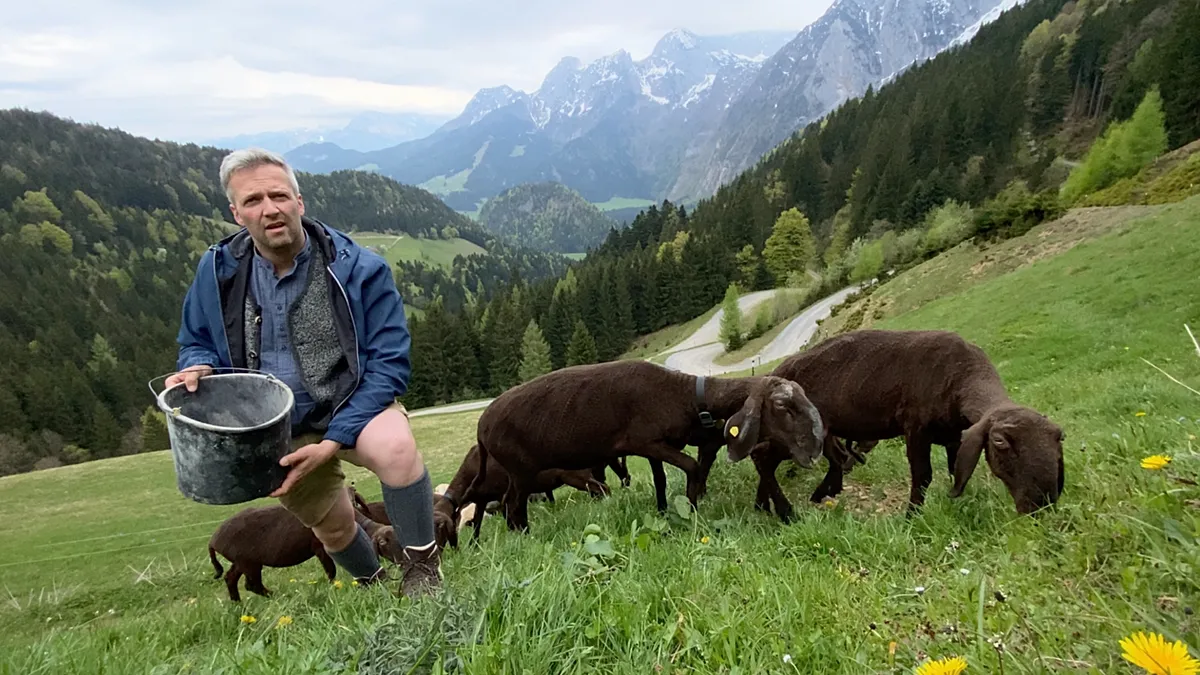
Poinews.com – Austria’s reputation as the “Land of the fulfilled farmers” is not just a catchy phrase—it reflects a tangible reality for many in the country’s agricultural sector. Take Josef Quehenberger, a 46-year-old farmer who returned to his family’s land in Abtenau, near Salzburg, 15 years ago. After a stint in sales, he embraced the slower pace of rural life, cultivating sheep, cows, turkeys, and even creating gardening pellets from sheep wool. His commitment to organic turkey meat and local traditions has made him a proud figure in this community. “The work is tough, but it’s fulfilling,” he says. “I’m the tenth generation to manage this land, and it’s weathered everything from wars to pandemics. Still, I feel fortunate to carry it forward.”
The Rural Economy’s Hidden Strength
Abtenau, with a population of roughly 6,000, is a microcosm of Austria’s thriving rural communities. Over 200 farms dot the landscape, each contributing to a resilient local economy. Johanna Wallinger, a goat farmer and cheesemaker who moved to the area 30 years ago, highlights the importance of traditional methods in maintaining quality. “Austria’s potential in this field is undeniable—our ability to grow food naturally and connect with local customers is a real strength,” she explains. Her success is part of a larger trend where farmers are not just producing goods but building sustainable livelihoods.
Many of these producers participate in a cooperative model that prioritizes direct sales to consumers. A nearby shop, serving as a central hub, offers a variety of products—meat, cheese, yogurts, vegetables, and herbs—without the need for middlemen. “The concept is simple: small businesses market their goods directly, keeping value within the community,” says Georg Buchegger, the shop’s manager. This system has not only strengthened local ties but also increased farmers’ profit margins, allowing them to reinvest in their operations and sustain their families.
Collaboration as a Catalyst for Success
Austria’s agricultural success is often attributed to its strong public initiatives, such as the Salzburg Chamber of Agriculture, which serves 35,000 members. This organization provides essential training, legal guidance, and subsidies, helping farmers navigate challenges like bureaucratic hurdles and market competition. Rupert Quehenberger, the chamber’s president, emphasizes the need to focus on quality and authenticity. “We can’t beat mass producers, but our dedication to craftsmanship and eco-friendly practices sets us apart,” he adds. These efforts have fostered a culture of resilience and innovation in the sector.
A key part of this strategy is the local origin certification label, managed by Salzburg Agrar Marketing. The label certifies over 2,800 products, along with 170 restaurants and 90 public catering kitchens. These kitchens prepare around 40,000 meals daily using regionally sourced ingredients that meet strict quality standards. “This certification ensures transparency and builds trust with consumers,” says Günther Kronberger, the company’s director. By linking farmers to local businesses, the program strengthens Austria’s food supply chain and reinforces the “Land of the fulfilled farmers” narrative.
Education for Future Generations
Training young farmers is central to sustaining Austria’s agricultural legacy. With approximately 70 educational institutions dedicated to this goal, the Winklhof Farming School near Salzburg plays a pivotal role. The school enrolls 260 students aged 14 to 17, offering a blend of hands-on experience and theoretical knowledge. “Applications have surged in the past five years,” notes Georg Springl, the school’s head. “We’re not just teaching farming skills—we’re helping young people build independence and practical knowledge for life.”
Quehenberger, who trained at the school as a teenager, believes such programs are vital. “If the younger generation only sees challenges, they might lose enthusiasm for the work,” he says. “But with proper training and support, they can carry the legacy forward.” This emphasis on education ensures that future farmers are equipped to adapt to changing markets while preserving the traditional values that define Austria’s rural identity.
Agriculture and Environmental Stewardship
More than just a source of livelihood, farming in Austria is often intertwined with environmental responsibility. The region’s emphasis on organic practices and natural food production has made it a leader in sustainable agriculture. Farmers like Quehenberger and Wallinger are not only growing crops and livestock but also protecting the land for future generations. “We treat our soil like a precious resource,” Quehenberger says. “Every harvest is a chance to give back to the environment.”
This commitment to eco-friendly methods aligns with broader national goals. Austria has long prioritized green policies, and its agricultural sector is a testament to that dedication. By combining traditional techniques with modern sustainability practices, farmers are creating a model that balances productivity with ecological integrity. As a result, the country’s reputation as the “Land of the fulfilled farmers” is reinforced by its role as an environmental steward.