‘A huge anomaly’: Antarctica records winter temperatures 20C warmer than normal
Antarctica's Winter Anomaly: Record 20C Temperature Rise Sparks Climate Concerns Unprecedented Warming in Antarctic Regions A huge anomaly - Antarctica is

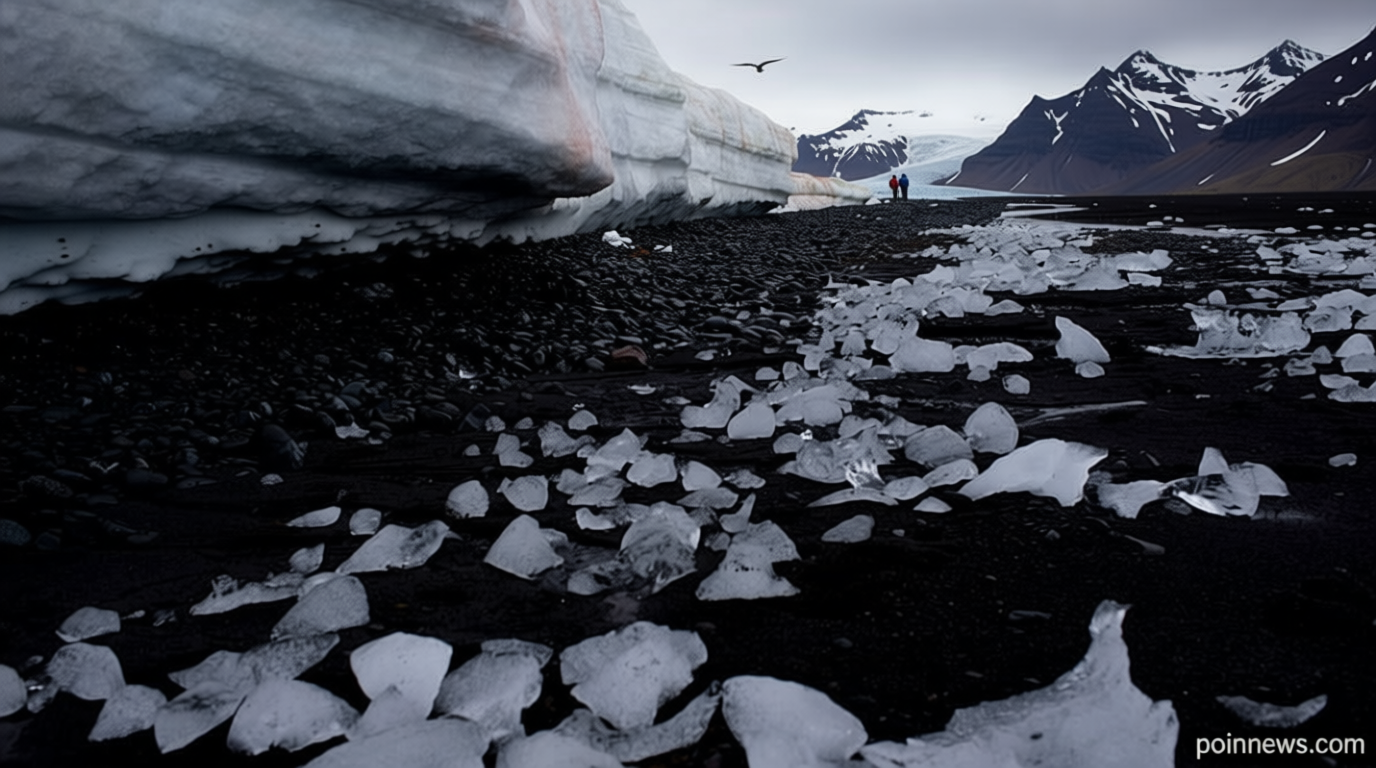
Antarctica’s Winter Anomaly: Record 20C Temperature Rise Sparks Climate Concerns
Unprecedented Warming in Antarctic Regions
Poinews.com – Antarctica is experiencing a notable climate anomaly, with winter temperatures rising by 20 degrees Celsius above historical averages. This dramatic shift has been particularly pronounced in certain regions, such as the Argentinian Esperanza base on the Trinity peninsula, where temperatures hit a record 15.4C on 6 June—2 degrees higher than the previous benchmark set in 1998. The phenomenon, referred to as “a huge anomaly” by scientists, has raised urgent questions about the continent’s resilience to climate change.
Historically, Antarctica’s winter months have been characterized by consistent snowfall and freezing temperatures, typically averaging around -20C in many areas. However, this year’s conditions have deviated sharply, with some stations recording temperatures exceeding 15C. The Guardian highlighted this trend, noting that the prolonged heatwave has sustained above-zero temperatures for three weeks, disrupting typical weather patterns. Researchers attribute this anomaly to stronger-than-usual warm winds from the north, which have altered atmospheric conditions over the Antarctic peninsula.
“It is also about 20C above normal for this time of the year. That is a huge anomaly,” said Raúl Cordero, an Ecuadorian climate professor at the University of Groningen. His observations align with broader data showing record-breaking temperatures across multiple sites, indicating a significant departure from seasonal norms.
Ecological Impacts and Glacial Melting
Beyond temperature records, the anomaly has triggered visible ecological disruptions. At the Chilean Boonen Rivera station, temperatures approached 13C, while on King George Island, 160km from Esperanza, Luis Muñoz, a Chilean glaciologist, noted the unusual melting of snow and ice. “Last weekend was very strange. The temperatures here went very high so everything outside melted,” Muñoz explained. He emphasized that the typical 20cm of snow accumulation in these regions was absent, leaving exposed ground and signaling a shift in the continent’s climate dynamics.
The warming trend has also impacted glacial structures. Muñoz described how rain melted ice at the summit of the nearby Collins glacier, a process that should only occur during summer months. “There was a direct impact on the glacier, which should be receiving snow now. It should not be suffering ablation at this time of the year. This is obviously not good for the glacier,” he added. Such events highlight the vulnerability of Antarctica’s ice sheets to even short-term temperature fluctuations, with long-term consequences for global sea levels.
Climate Models and Projected Outcomes
A report published in the journal Frontiers in Environmental Science has underscored the urgency of the situation, linking the current anomaly to broader climate change patterns. The study modeled potential outcomes for the Antarctic Peninsula, the northernmost region of the continent, under various emissions scenarios. Under the highest projection, sea ice coverage could decline by 20 percent, endangering species like krill that form the foundation of the Southern Ocean’s food web.
These findings are not isolated to Antarctica. Scientists warn that extreme weather events, such as the 2024 Valencia floods and Asia’s monsoon storms, are increasingly tied to fossil fuel emissions. The anomaly in Antarctica serves as a stark example of how climate change is accelerating, with the continent’s unique ecosystems acting as early indicators of global environmental shifts. “The choices we make today will determine the future of this region,” stressed researchers, emphasizing the need for immediate action to curb emissions and mitigate the crisis.
As the anomaly continues, its implications extend beyond local ecosystems. The Antarctic ice sheet, which holds about 60% of the world’s fresh water, is a critical component of the Earth’s climate system. Unseasonal warming could trigger accelerated ice loss, contributing to rising sea levels and altering ocean currents. These changes may further disrupt global weather patterns, creating a feedback loop that intensifies climate challenges worldwide.