Trump victorious in legal battle to erase climate change and slavery signs from national parks
Trump Victorious in Legal Battle to Erase Climate Change and Slavery Signs from National Parks Trump victorious in legal battle to erase - Donald Trump’s

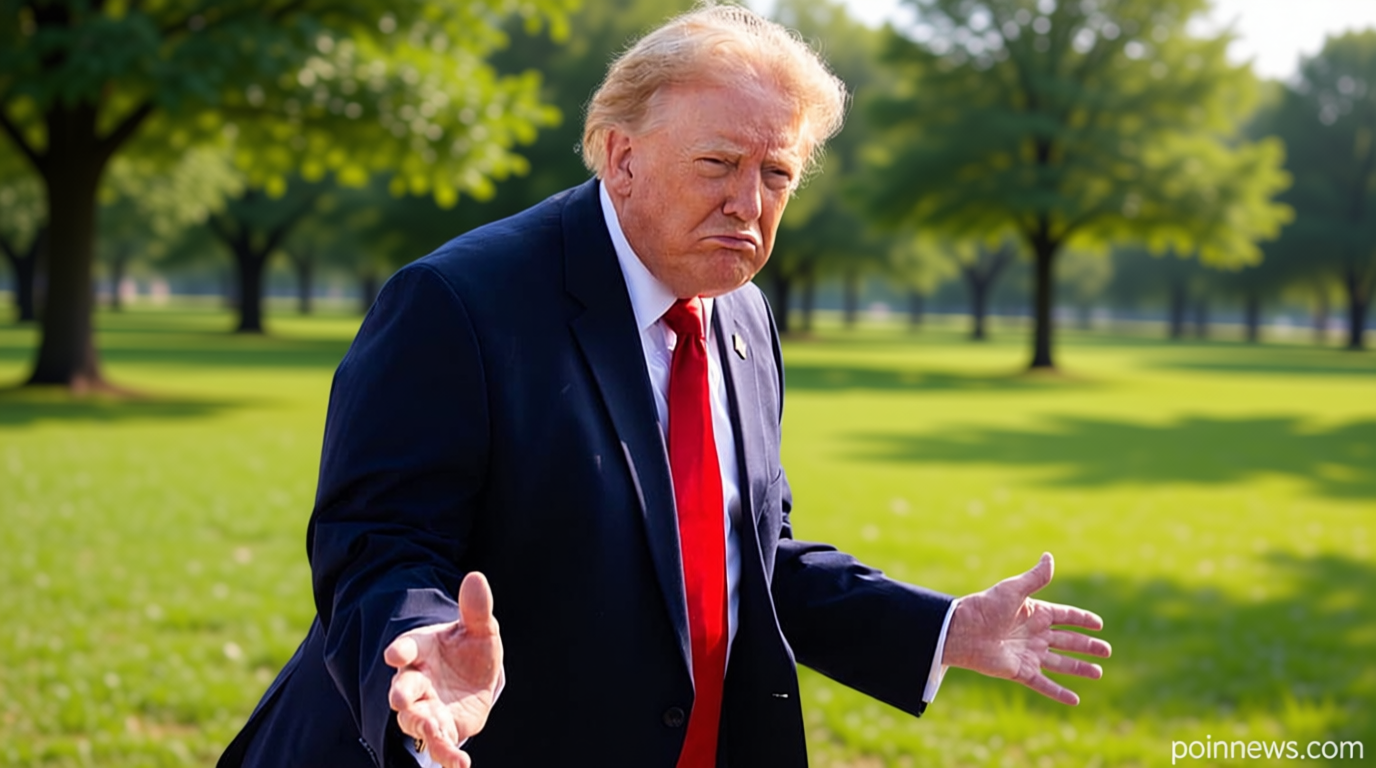
Trump Victorious in Legal Battle to Erase Climate Change and Slavery Signs from National Parks
Poinews.com – Donald Trump’s administration has secured a legal win that allows the removal of climate change and slavery-related exhibits from US national parks. A recent decision by the Boston-based US Court of Appeals temporarily halted a lower court order mandating the reinstatement of dozens of signs and displays that had been taken down, citing their portrayal of the nation in a “negative light.” These exhibits, which included factual content on climate change and the history of slavery, were part of a broader effort to reshape narratives in public spaces.
Legal Ruling and Context
The appeals court’s temporary relief means the federal government can proceed with eliminating signs it deems to reflect “ideological indoctrination.” This follows an executive order signed by President Trump last year, which aimed to “restore truth and sanity to American history” by ensuring national sites do not showcase elements that “inappropriately disparage the American past or present.” Interior Secretary Sough Burgum later expanded this directive, instructing the removal of any content tied to “improper partisan ideology.”
Opposition and Legal Challenge
Several groups, including the National Parks Conservation Association and the American Association for State and Local History, joined forces to file a lawsuit against the administration’s actions. “National parks serve as living classrooms where science and history come to life for visitors,” said Alan Spears, NPCA’s senior director of cultural resources, in a statement to AP. “As Americans, we deserve parks that reflect both our country’s triumphs and its struggles.”
“We can handle the truth,” Spears added, emphasizing the importance of preserving historical accuracy.
Reversal of District Court Decision
In June, a district court judge had ruled in favor of the NGOs, ordering the federal government to reinstall removed materials within 21 days. However, the appeals court recently overturned that decision, arguing the lower court had overestimated the “irreparable harm” caused by withholding the contested exhibits. This shift grants the administration flexibility to continue altering signage in national parks.
Acadia National Park Example
One notable instance occurred in September 2025, when signs detailing climate change impacts were taken down at Acadia National Park in Maine. The removed displays highlighted the park’s increasing vulnerability to extreme weather, including more frequent storms, intense rainfall, and rising temperatures. “Scientific data shows the effects of climate change here—longer droughts, stronger precipitation, and coastal erosion,” said Todd Martin of NPCA, underscoring the significance of the removal as a symbol of historical erasure.
Photographic Controversy
The Interior Department’s actions also extended to visual displays, such as a 1863 photograph titled ‘Scourged Black’ depicting an enslaved man named Peter with severe whip scars. This image, once displayed in a national park, was removed as part of the administration’s push to redefine historical narratives. The ruling aligns with broader efforts to downplay or reinterpret past events through a partisan lens.
Heatwaves and Climate Connections
As the US grapples with rising temperatures, Trump’s victory coincides with a heatwave intensifying 4 July celebrations. In New York, Mayor Zohran Mamdani urged residents to stay indoors to avoid “extraordinary temperatures.” Meanwhile, heat-related illnesses struck after a bus transporting Junior Reserve Officers’ Training Corps cadets lost air conditioning. “Heat is one of the most direct effects of climate change,” noted Jeff Schlegelmilch, an associate professor at Columbia University’s Climate School. “We’ve seen longer summers, earlier heatwaves, and increased humidity—effects that are hard to ignore.”
“But Americans can only make these connections if they’re explicitly told,” Schlegelmilch added.