Could drones target Germany’s parliament? Minister warns of growing threat
Drone Threats Escalate: German Minister Calls for Enhanced Security Measures Could drones target Germany s parliament - Could drones target Germany's

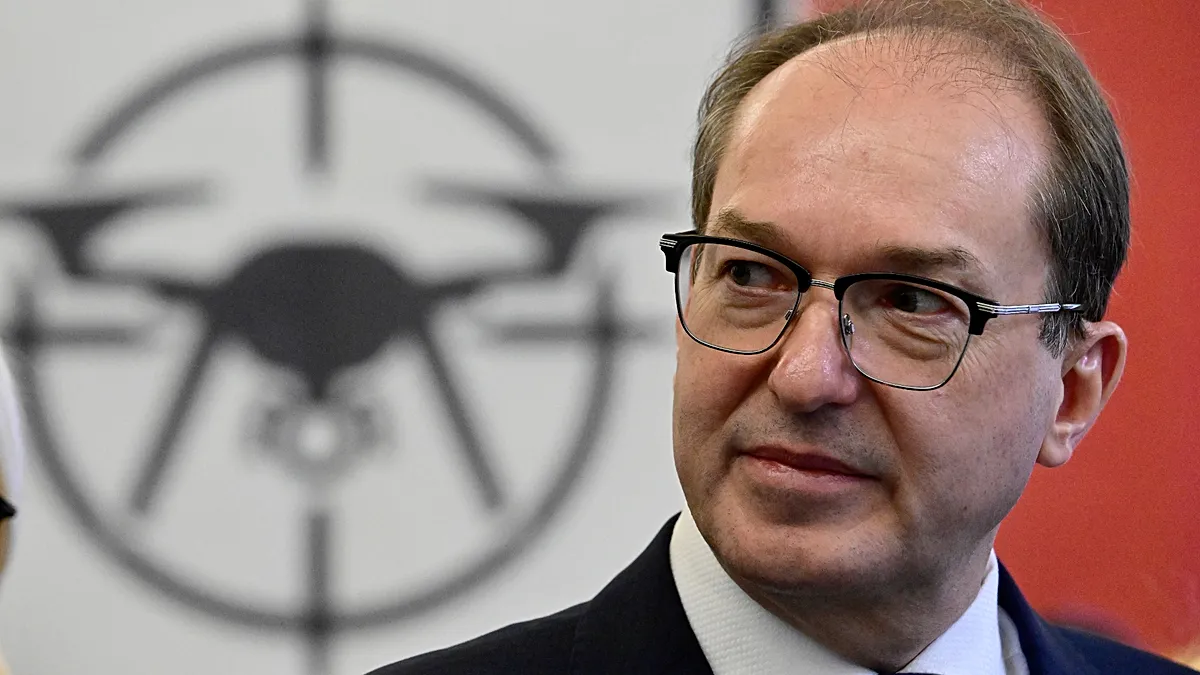
Drone Threats Escalate: German Minister Calls for Enhanced Security Measures
Poinews.com – Could drones target Germany’s parliament? This question has taken center stage as Interior Minister Alexander Dobrindt raises alarms about the increasing risk posed by unmanned aerial vehicles to critical institutions like the Bundestag. In a recent letter to Bundestag President Julia Klöckner, Dobrindt emphasized the need for a long-term strategy to counter drone threats, following a surge in drone sightings that have sparked significant concern among security agencies. The minister’s warning underscores the growing importance of aerial security in Germany’s political landscape, as the nation grapples with the evolving capabilities of drone technology.
The Growing Concern Over Drone Vulnerabilities
Dobrindt’s latest concerns stem from a series of drone observations in recent months, which have highlighted potential weaknesses in current security protocols. While the Federal Police’s counter-drone team has been deployed to assist in monitoring airspace around the Bundestag, the minister noted that its role remains limited. He pointed out that state police in Berlin are still primarily responsible for tracking drone activity near parliamentary buildings, leaving room for improvement in coordinated defense mechanisms. This divide in responsibilities has fueled debates about the necessity of a unified approach to drone security.
Regional Drone Incidents and International Implications
The threat of drone attacks is not confined to Germany alone. Across Europe, officials have voiced concerns about the potential for drones to breach secure areas, with recent incidents in the Baltic states drawing particular attention. In Lithuania, a drone intrusion into national airspace triggered an air raid alert, prompting senior politicians to seek shelter in bunkers. These events have been linked to Russian GPS interference tactics, which can manipulate drone navigation systems and direct them toward NATO territories. Such incidents raise questions about the broader geopolitical implications of drone technology, especially in regions where tensions remain high.
Germany’s military has also raised the alarm over unauthorized drone flights near strategic locations. Reports indicate that drones have been spotted over military bases and key infrastructure, prompting fears of foreign intelligence operations or sabotage. In response, the country has revised its Aviation Security Act to grant the Federal Police and Bundeswehr greater authority in drone-related incidents. These amendments allow armed forces to support state police in neutralizing threats, including the use of force if necessary to eliminate immediate dangers.
Technological and Strategic Responses to Drone Risks
As drone technology advances, so too must Germany’s defensive strategies. Berlin is exploring the implementation of advanced surveillance systems to detect and track drones more effectively. Officials are considering a network of 62 radio sensors designed to monitor aerial activity within the city, enabling quicker responses to potential breaches. These sensors would work in conjunction with existing radar systems, providing real-time data to security teams. Additionally, discussions are ongoing about the deployment of counter-drone measures, such as net interception systems or jamming technology, to disable hostile drones before they can reach their targets.
The focus on drone security has also prompted a reevaluation of Germany’s legal framework for aerial threats. The updated Aviation Security Act now allows for stricter regulations on drone operators, particularly those flying near sensitive sites. This legal overhaul aims to address gaps in accountability and response time, ensuring that both civilian and military drone activity is closely monitored. Dobrindt has stressed that these changes are essential to preventing future incidents and safeguarding Germany’s constitutional institutions from potential attacks.
With the threat of drone attacks on the rise, the Bundestag and other European governments are under pressure to adapt quickly. The minister’s call for a lasting strategy highlights the need for collaboration between federal and state authorities, as well as with international partners. As drone technology becomes more accessible and sophisticated, the question of whether drones could target Germany’s parliament remains a critical concern, driving efforts to enhance security and preparedness across the country.