Video. UK: Royal Opera Chorus marks 2026 World Cup start with London performance
p Start with London Performance UK - As the 2026 FIFA World Cup officially began on June 11 in Mexico City, the United Kingdom joined the global celebration

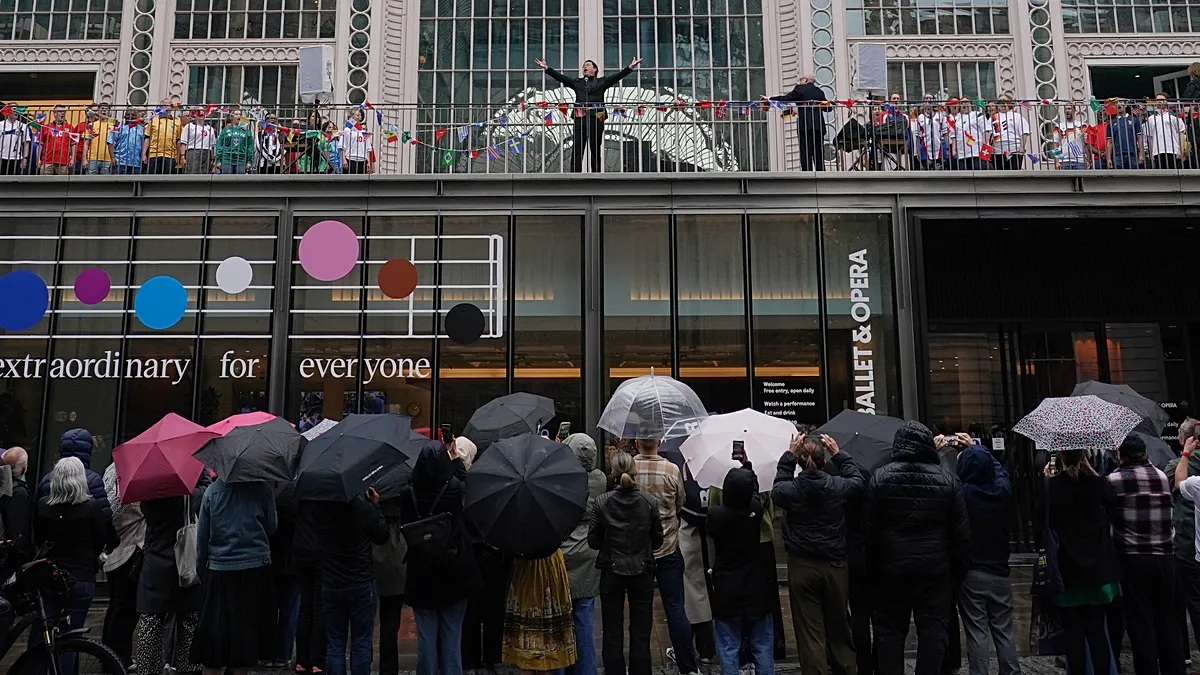
UK Royal Opera Chorus Marks 2026 World Cup Start with London Performance
Poinews.com – UK – As the 2026 FIFA World Cup officially began on June 11 in Mexico City, the United Kingdom joined the global celebration with a special public performance in London. The event, held outside Covent Garden, featured a stirring rendition of Puccini’s *Nessun Dorma* by the Royal Opera Chorus, alongside South Korean tenor SeokJong Baek, symbolizing the UK’s vibrant cultural contribution to the world’s most anticipated sporting event. This unique collaboration highlighted the deep connection between football and classical music, a tradition that has evolved over decades in the UK and beyond.
The Historical Synergy Between Football and Opera in the UK
Football and opera have shared a unique bond in the UK for years, with iconic performances often accompanying major matches. The Royal Opera Chorus, known for its dynamic interpretations of classical pieces, has consistently found creative ways to engage with the nation’s passion for sport. From past World Cup events to domestic league games, the chorus has used its artistry to amplify the emotional resonance of football moments. This performance was not merely a spectacle—it was a deliberate effort to merge the grandeur of opera with the energy of the World Cup, creating a memorable cultural statement.
‘Nessun Dorma’ has long been a staple of football anthems, its powerful melody echoing through stadiums worldwide. Originally from Puccini’s opera *Turandot*, the aria became a global phenomenon after its use in the 1990 World Cup, where it was performed by Luciano Pavarotti. In the UK, the song has been embraced as a symbol of triumph and unity, frequently featured in celebrations of national teams. The Royal Opera Chorus’s choice to perform it for the 2026 tournament reflected this enduring legacy, while also introducing a fresh, operatic twist to the familiar anthem.
SeokJong Baek, the South Korean tenor who joined the chorus, brought his renowned vocal technique to the performance, reinforcing the international appeal of the event. His interpretation of the aria, combined with the chorus’s harmonious precision, created a powerful auditory experience that resonated with both opera enthusiasts and football fans. The concert was part of a broader series of celebrations across the UK, aiming to showcase the nation’s artistic and sporting heritage as the World Cup expanded to 48 teams in 2026.
Broader Cultural Impact of the 2026 World Cup in the UK
The 2026 World Cup, co-hosted by the United States, Canada, and Mexico, represents a significant shift in the tournament’s scale and global reach. For the UK, this expansion offers new opportunities to engage with international football, even though it won’t host matches. The Royal Opera Chorus’s performance in London underscored the UK’s role as a cultural hub, where music and sport often intersect. The event also served as a prelude to the excitement surrounding the tournament, with fans in the UK eager to follow the action from their homes.
Such collaborations are not new to the UK. The country has a history of blending musical performances with sporting events, from the iconic “Auld Lang Syne” sung at the opening of the 2012 London Olympics to the symphonic soundtracks of Premier League matches. The Royal Opera Chorus’s involvement in the World Cup’s launch aligns with this tradition, demonstrating how the UK continues to influence global cultural narratives through its artistic institutions. The performance was a reminder that football is more than just a sport—it’s a shared global experience that can be enriched by music and creativity.
The concert’s location on Davies Terrace in London’s West End was a strategic choice, as it is a landmark for both the arts and public gatherings. The open-air setting allowed for a more accessible experience, drawing a wide audience of pedestrians and opera lovers alike. This format also mirrored the World Cup’s goal of bringing football to people in new and engaging ways. The UK’s decision to host such an event highlighted its commitment to celebrating the tournament’s significance, even as it remained a spectator nation.
As the 2026 World Cup progresses, the UK’s cultural contributions will continue to play a role in shaping its global perception. The Royal Opera Chorus’s performance was a testament to how the nation’s artistic traditions can complement its sporting spirit, creating a unique blend of heritage and modernity. With the tournament’s expanded footprint, the UK’s involvement in such cultural initiatives will help maintain its relevance on the world stage, even as it cheers from the sidelines. This event was more than just a celebration—it was a symbolic bridge between two worlds, uniting music and sport in a shared moment of global unity.