After refused entry into US, Somali referee Omar Artan will be paid full World Cup fee by FIFA
Receive Full World Cup Fee from FIFA After refused entry into US Somali - Omar Artan, a 34-year-old Somali referee, faces an unexpected hurdle as he navigates

After U.S. Entry Denial, Somali Referee Omar Artan to Receive Full World Cup Fee from FIFA
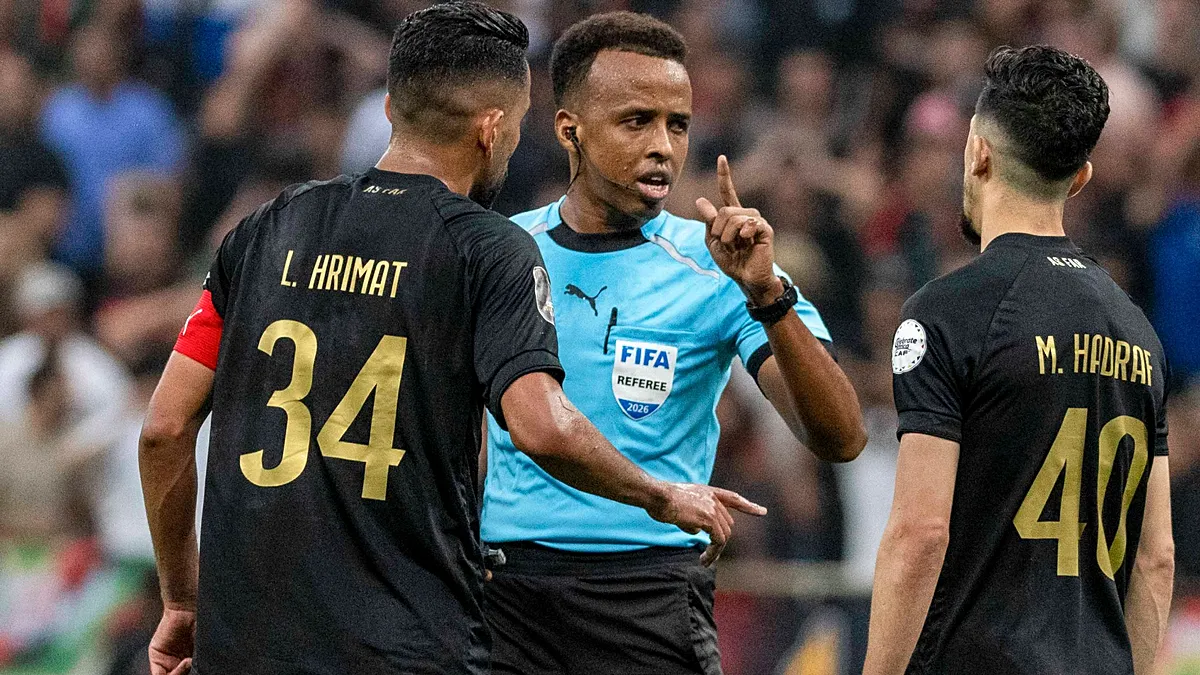
Poinews.com – Omar Artan, a 34-year-old Somali referee, faces an unexpected hurdle as he navigates the complexities of international travel. After refused entry into the United States, Artan’s journey took an unexpected turn when he was detained at Miami International Airport for 11 hours. U.S. immigration officials questioned him about his ties to the Somali militant group Al Shabab, despite his possession of a diplomatic passport and a single-entry visa. The incident has raised concerns about the scrutiny faced by individuals from countries with political tensions, even in the context of global sporting events. However, the football governing body, FIFA, has now announced its commitment to paying Artan his full World Cup fee, ensuring his participation remains unaffected by the administrative setback.
Omar Artan’s Background and Professional Achievements
Omar Artan has built a reputation as one of the most respected referees in Africa. His career began with local matches in Somalia, gradually gaining recognition for his precision and fairness. In 2025, he was honored as the Confederation of African Football (CAF) men’s referee of the year, a testament to his dedication and skill. This achievement highlights his potential to represent Somalia on the global stage, a dream he has long pursued. Artan’s recent assignments include officiating the second leg of the African Champions League final, where he demonstrated his capability to handle high-stakes matches. His inclusion in the UEFA Super Cup match between Paris St-Germain and Aston Villa in Salzburg, Austria, on 12 August, further underscores his international standing. Despite the U.S. entry refusal, these accolades reflect his unwavering commitment to the sport and his aspirations to officiate at the highest level.
The Visa Controversy and Its Impact on Artan’s Career
The U.S. entry denial for Artan has sparked discussions about the intersection of sports and security concerns. While immigration officials emphasized his potential connections to Al Shabab, Artan maintained that he had no involvement with the group. This incident underscores the challenges referees from certain regions may face when traveling abroad for international assignments. The 11-hour delay at the airport not only disrupted his plans but also placed him in a vulnerable position, forcing him to rely on FIFA’s support. The governing body’s swift response to ensure his payment highlights the importance of international collaboration in safeguarding the careers of officials. For Artan, the refusal to grant entry into the U.S. serves as a temporary obstacle rather than a definitive setback, as he remains determined to fulfill his World Cup dream.
Artan’s ability to secure FIFA’s financial backing demonstrates the organization’s recognition of his value. The decision to cover his full World Cup fee comes as a relief, allowing him to focus on his role as an official without the added stress of financial uncertainty. FIFA’s intervention also sends a message about the organization’s commitment to supporting referees from diverse backgrounds, regardless of political scrutiny. This gesture reinforces the global nature of football, where talent and dedication can transcend administrative barriers. Artan’s situation has drawn attention to the broader issue of visa denials for sports professionals, raising questions about how such decisions are made and their implications for international competitions.
The incident at the U.S. border has had a ripple effect on Artan’s career trajectory. While he was temporarily stranded, his determination to officiate at the World Cup remains unshaken. FIFA’s decision to cover his fees ensures that he can continue his preparations without interruption. This support is crucial, as referees often require time to adapt to different environments and match conditions. Artan’s experience with the U.S. entry refusal serves as a reminder of the challenges faced by athletes and officials in navigating global travel requirements. Yet, it also highlights his resilience and the backing of FIFA, which has enabled him to stay on track for his long-term goals. The referee’s journey is a blend of personal perseverance and institutional support, making it a compelling story in the world of sports.
As Artan prepares for the World Cup, his experience has sparked conversations about the role of diplomacy in sports. His diplomatic passport, issued by Somalia, was initially accepted but later rejected by U.S. officials. This raises questions about the criteria used to evaluate entry for officials and how such decisions might impact future assignments. Artan’s case also emphasizes the need for clear communication between sports organizations and immigration authorities. While his inclusion in the World Cup is now secure, the incident serves as a cautionary tale for other referees and athletes facing similar challenges. Despite the setback, Artan’s focus remains on the field, where his expertise and passion for the game will continue to shine. His story is a powerful example of how perseverance can overcome obstacles, ensuring that talent is not overlooked.