MEPs pressure EU institutions to sanction Irish alumina sales to Russia
MEPs Pressure EU Institutions to Sanction Irish Alumina Sales to Russia MEPs pressure EU institutions to sanction - European lawmakers have intensified their

MEPs Pressure EU Institutions to Sanction Irish Alumina Sales to Russia
Poinews.com – European lawmakers have intensified their call for action against the EU’s current approach to alumina exports to Russia, with a coalition of 47 Members of the European Parliament (MEPs) urging immediate sanctions on Ireland’s role in supplying this critical resource to Moscow. The MEPs, in a letter addressed to the European Commission and the European External Action Service, argue that the lack of regulatory measures targeting Irish alumina shipments undermines the bloc’s efforts to curb Russia’s economic resilience. This push comes amid growing concerns that the EU’s sanctions framework has not fully addressed the supply chain dependencies tied to Russian industries, particularly in the context of the ongoing conflict in Ukraine.
The EU’s 21st Sanctions Package and Its Gaps
Since the full-scale invasion of Ukraine began in 2022, the European Commission has implemented a series of sanctions aimed at weakening Russia’s key sectors. The 21st sanctions package, announced recently, targets entities involved in energy, finance, and defense, but alumina—a crucial raw material for producing weapons and infrastructure—has been notably excluded. MEPs point out that this omission creates a loophole, allowing Russia to continue accessing vital resources without facing proportional consequences. The letter criticizes the Commission for its “inconsistent strategy,” emphasizing the need to align sanctions with the EU’s broader geopolitical objectives.
Ireland’s Alumina Exports: A Strategic Concern
Ireland’s Aughinish Alumina, the largest exporter of alumina within the EU to Russia, has become a focal point of the debate. The company’s shipments to Russian smelters in Siberia are cited as essential for manufacturing weapons such as drones and missiles used in the conflict. MEPs argue that these exports, which are not yet subject to restrictions, could be leveraged by Russia to strengthen its industrial capabilities and reduce reliance on Western suppliers. The Organised Crime and Corruption Reporting Project (OCCRP) provided evidence linking Aughinish’s operations to Russia’s military production, further fueling the call for sanctions.
“That choice represents a major oversight—and the current evidence necessitates a swift correction,” the letter states, directly addressing High Representative Kaja Kallas and Trade Commissioner Maroš Šefčovič. The MEPs stress that the EU’s current policy allows Russia to “continue exploiting its strategic position in the global supply chain,” thereby prolonging its ability to sustain the war effort.
The MEPs propose a multi-pronged strategy to address this issue. They advocate for a coordinated effort between public and private sectors to redirect Aughinish’s exports to European buyers, mirroring the U.S. approach to curbing reliance on Chinese rare earth supplies. This would require the EU to impose stricter import controls, incentivize domestic production, and secure commitments from key European smelters to reduce dependence on Irish alumina. The coalition, led by MEP Bart Groothuis of Renew Europe, includes members from all political factions, underscoring the widespread concern within the Parliament.
Political and Economic Implications of the Sanctions
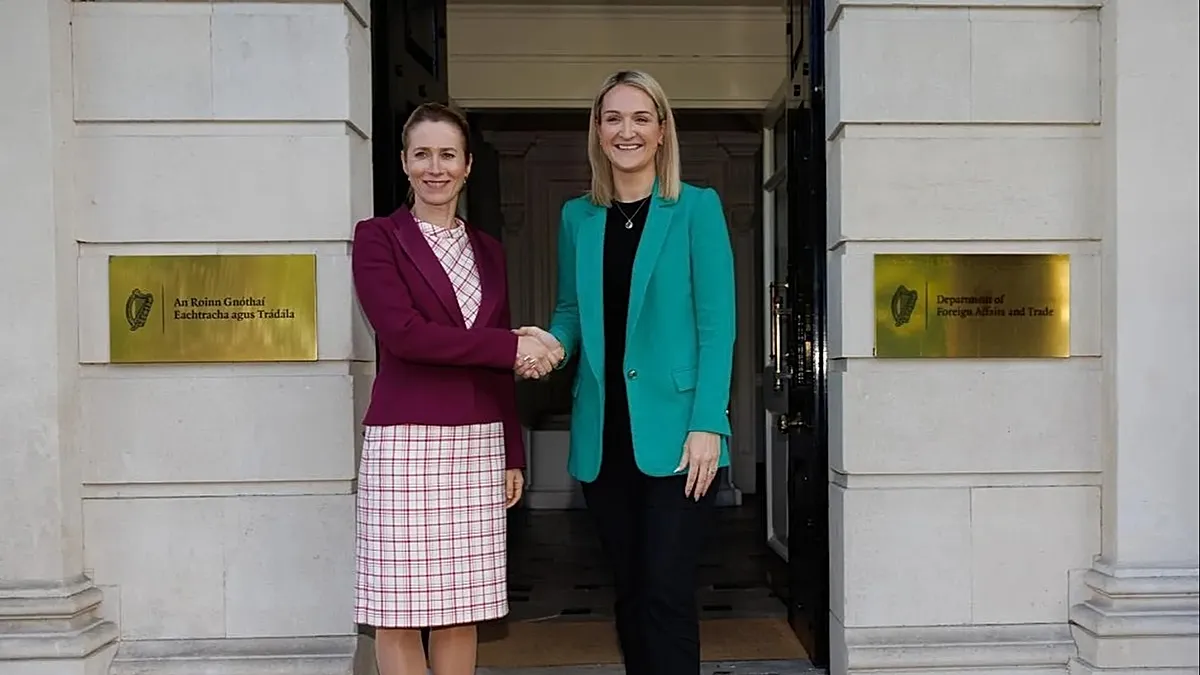
The MEPs’ demand for sanctions highlights the tension between Ireland’s domestic interests and the EU’s collective goals. While Ireland has launched an inquiry into its alumina exports, EU institutions have categorized the issue as a domestic matter, leaving room for criticism. During a recent visit to Dublin, Kaja Kallas pressed the Irish government to provide clarity on the volume and purpose of exports, especially as the country prepares to assume the EU Council presidency for the second half of 2026. This timing adds urgency to the debate, as Ireland’s leadership role in the EU could influence the bloc’s decision-making on sanctions.
According to the Central Statistics Office, 83% of Ireland’s alumina exports go to Russia. However, Aughinish disputes this figure, claiming it is due to an administrative error and that the actual percentage is closer to 45%. The company’s ownership by Oleg Deripaska, a Russian oligarch sanctioned by the EU for his ties to President Vladimir Putin, further complicates the issue. MEPs argue that Aughinish’s role as a major supplier to Russia makes it a strategic target for sanctions, even if the exact percentages are debated. This discrepancy underscores the need for transparent data and swift regulatory action.
The final decision on whether to sanction Irish alumina exports rests on the outcome of Ireland’s ongoing investigation. MEPs insist that the EU must act decisively to ensure its sanctions framework remains comprehensive and effective. By targeting Aughinish, the EU could send a clear message to Russia about its commitment to cutting off critical resources, while also addressing concerns about the bloc’s economic resilience. The 22nd sanctions package, currently under review, is expected to incorporate alumina as a key component, reflecting the growing pressure from European lawmakers to close this loophole.