Nearly all children are exposed to the lasting health impacts of climate change, UNICEF says
Risks, UNICEF Warns Climate Change Threatens Child Health on a Global Scale Nearly all children are exposed to the long-term health consequences of climate

Nearly All Children Face Climate Health Risks, UNICEF Warns
Climate Change Threatens Child Health on a Global Scale
Poinews.com – Nearly all children are exposed to the long-term health consequences of climate change, according to a recent UNICEF report. The organization highlights that climate-related crises are increasingly disrupting children’s development and well-being, from extreme weather events to environmental degradation. “Climate change is not just an adult issue—it is a crisis that directly impacts the health and future of children worldwide,” said Catherine Russell, UNICEF’s head. She noted that over half of the world’s children face multiple environmental threats daily, including air pollution, water scarcity, and rising temperatures. These challenges are compounding, creating a complex web of risks that threaten both physical and mental health.
“Investing in resilient health systems and child-centered infrastructure is essential to protect children from today’s climate dangers and secure a healthier future,” Russell emphasized, urging policymakers to prioritize funding for sustainable solutions.
The report underscores that climate change is accelerating the spread of diseases like malaria and dengue, which are becoming more prevalent in regions previously unaffected. Additionally, the increased frequency of heatwaves and floods is pushing children into environments where their bodies are more vulnerable to stress and illness. This exposure is not just a future threat—it is already reshaping the health landscape for millions of children today.
Environmental Threats Multiply for Vulnerable Populations
Climate change is creating a cascade of health risks that disproportionately affect children. For instance, prolonged droughts lead to crop failures, exacerbating food insecurity and forcing families to rely on less nutritious alternatives. This, in turn, increases the risk of malnutrition, which weakens immune systems and makes children more susceptible to infections. Furthermore, the report connects these environmental stresses to the growing incidence of respiratory illnesses, as rising temperatures and poor air quality interact to worsen conditions like asthma.
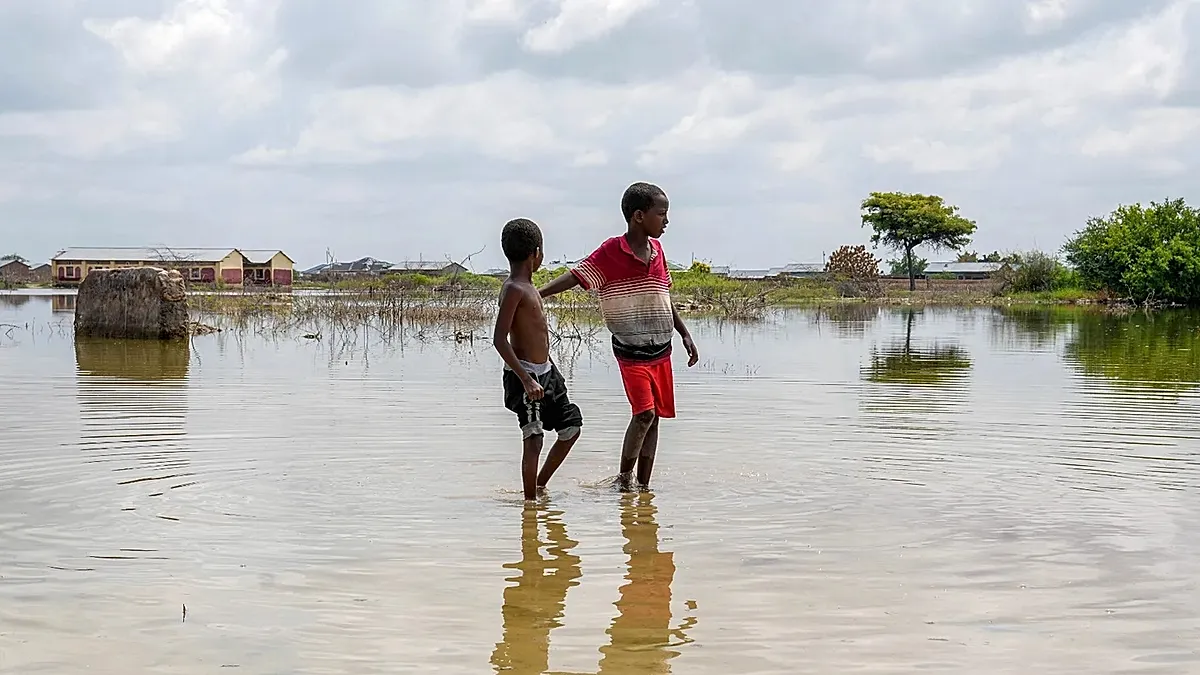
When extreme weather events occur, children are often the hardest hit. Floods, for example, can contaminate drinking water, leading to outbreaks of waterborne diseases such as cholera and dysentery. The UNICEF study estimates that over 360 million children are regularly exposed to flood risks, with many suffering from dehydration, waterborne illnesses, or even drowning. Meanwhile, heatwaves are affecting nearly 1.5 billion children, causing heat stress, dehydration, and in severe cases, heatstroke. These threats are interconnected, creating a cycle where environmental instability worsens health outcomes for the most vulnerable.
The report also addresses the long-term effects of climate change on children’s development. Exposure to polluted air and extreme temperatures during critical growth periods can lead to irreversible damage. For example, high levels of particulate matter in the air have been linked to reduced lung function and increased risks of neurological disorders. Moreover, the psychological toll of climate disasters, such as displacement and loss of home, is contributing to anxiety and depression among young populations. Nearly all children are exposed to these compounded stressors, which hinder their ability to thrive both physically and emotionally.
Addressing the Crisis Through Policy and Innovation
To mitigate the health impacts of climate change on children, UNICEF calls for urgent action. The report suggests that governments must integrate child health into climate resilience strategies, ensuring that infrastructure and services are designed to protect young people. This includes improving access to clean water, strengthening healthcare systems, and investing in climate education for children and families. By prioritizing these measures, nearly all children can be better shielded from the harmful effects of environmental changes.
Innovative approaches are also critical. The UNICEF study highlights the importance of early warning systems and community-based interventions to reduce exposure risks. For example, distributing water purification tools in flood-prone areas can prevent disease outbreaks. Similarly, implementing heat-resistant building materials in regions experiencing frequent heatwaves can lower indoor temperatures and protect children from heat-related illnesses. These solutions are not only practical but necessary, as they address the root causes of exposure and create sustainable environments for future generations.
UNICEF further stresses the need for global cooperation to combat the escalating health crisis. With nearly all children at risk, international agreements must include specific targets for child health outcomes. The organization advocates for increased funding to support research, intervention programs, and adaptive measures tailored to children’s unique vulnerabilities. By aligning climate action with child well-being, the report argues that we can break the cycle of exposure and build a more equitable, healthier world for all young people.