‘Reckless escalation’: Europe condemns Russia’s use of ‘Oreshnik’ missile
Reckless escalation': Europe condemns Russia’s use of 'Oreshnik' missile Reckless escalation - On Sunday, Ukrainian President Volodymyr Zelenskyy reported

Reckless escalation’: Europe condemns Russia’s use of ‘Oreshnik’ missile
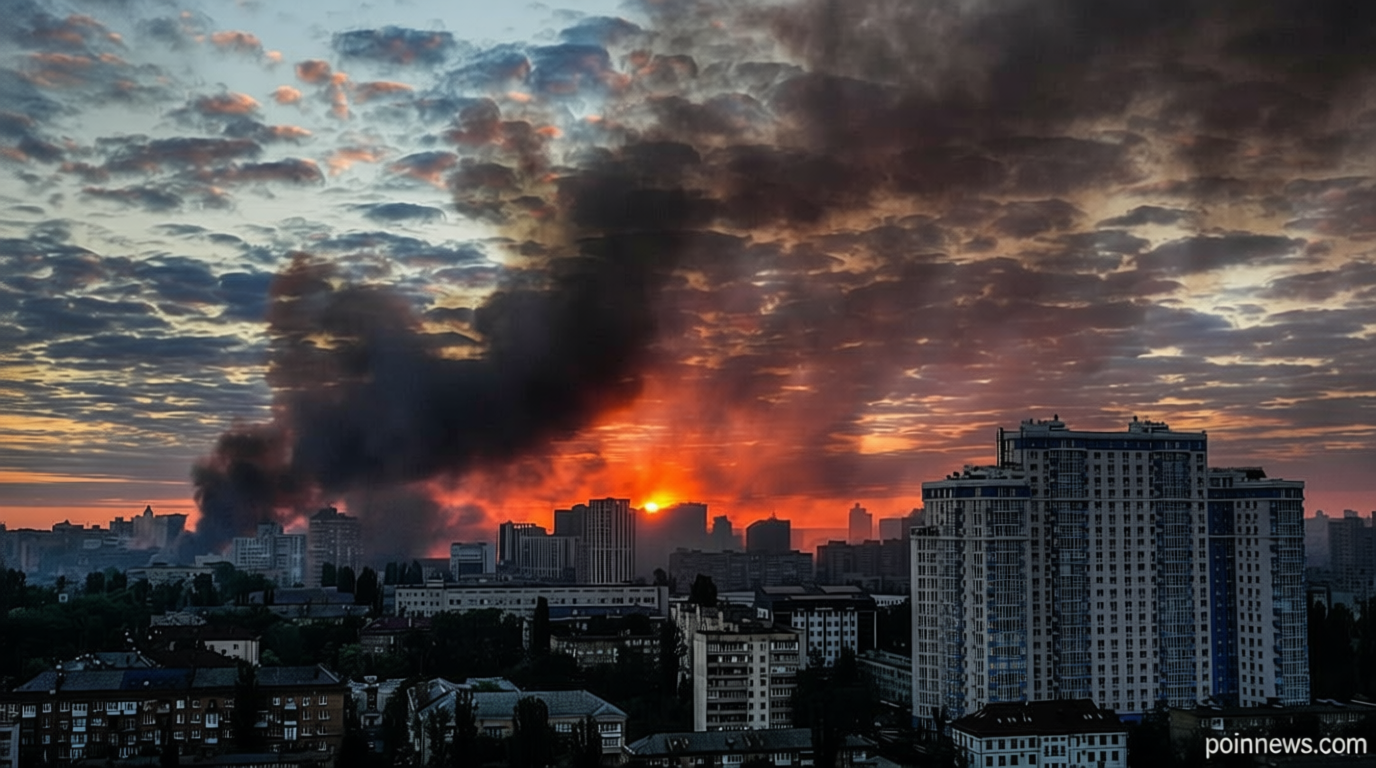
Poinews.com – On Sunday, Ukrainian President Volodymyr Zelenskyy reported that Russia had once again launched its “Oreshnik” intermediate-range ballistic missile, targeting the Kyiv region. This development was later confirmed by the Russian Defence Ministry, which stated the attack was a response to Ukrainian strikes on “civilian targets,” a claim Kyiv has consistently rejected. The deployment of the Oreshnik missile has drawn sharp criticism from Western leaders, who view it as a significant step toward escalating the conflict.
European leaders voice strong condemnation
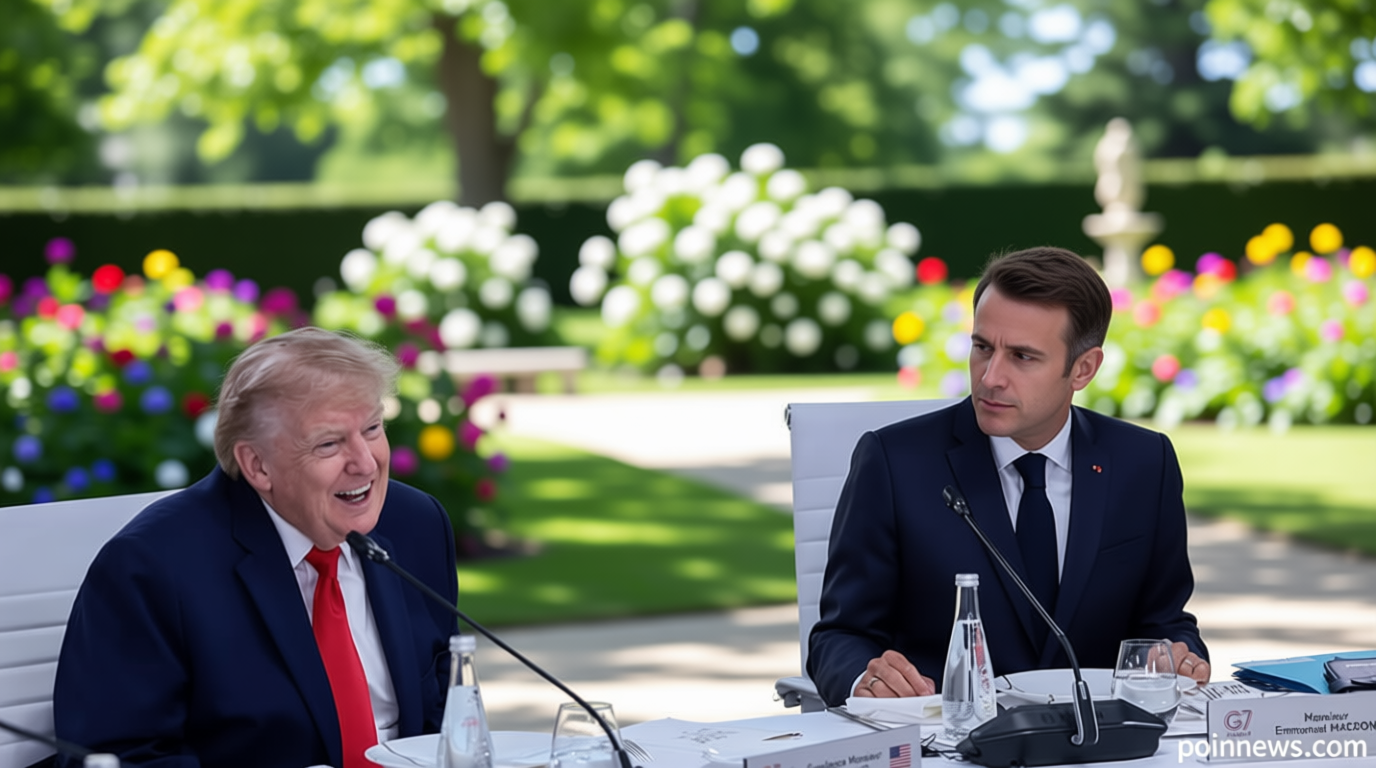
German Chancellor Friedrich Merz swiftly denounced the use of the Oreshnik missile as “reckless escalation” in a social media post. He emphasized Germany’s unwavering support for Ukraine, framing the attack as a dangerous move that could destabilize the ongoing war effort. Similarly, French President Emmanuel Macron expressed dismay over the strikes, highlighting the continued targeting of Ukrainian civilians. He argued that the reported use of the nuclear-capable missile underscores both the impasse in Russia’s military campaign and the growing risk of a broader conflict.
“The Kremlin’s brutality and disregard for both human life and peace negotiations have never been more evident,” stated European Commission President Ursula von der Leyen. She described the assault as a clear demonstration of Moscow’s willingness to take extreme measures, even as diplomatic efforts remain in limbo. Von der Leyen also noted that the European Union would intensify its backing for Ukraine, especially by enhancing its air defence capabilities.
EU foreign policy chief Kaja Kallas added her voice to the criticism, calling the attacks “abhorrent acts of terror” against the Ukrainian population. She suggested that Russia’s focus on city centres indicates a deliberate strategy to undermine morale and force concessions. Kallas also flagged the Oreshnik missile as a symbol of “reckless nuclear brinkmanship,” stressing its potential to shift the war’s trajectory toward a more perilous phase.
As the situation unfolds, EU foreign ministers are anticipated to convene next week to evaluate additional measures against Russia. The discussions will likely centre on how to counter the missile’s strategic implications and protect European interests. The Oreshnik’s introduction marks a critical development in the evolving dynamics of the conflict, prompting renewed scrutiny of Moscow’s military objectives.
Missile’s strategic significance and capabilities
The Oreshnik missile, first deployed in 2024 during an attack on Dnipro, has since become a focal point of military analysis. Its reported range of 3,000 to 5,500 kilometres positions it as a powerful tool capable of striking key locations across Europe. Russian officials have hailed the weapon as “state-of-the-art,” claiming it represents a major leap in their arsenal’s reach and precision.
Belarus, a key ally of Russia, is also believed to have acquired the Oreshnik system, further expanding the missile’s potential impact. Analysts suggest that its deployment signals Moscow’s intent to assert dominance in the region, even as it faces mounting pressure from Western nations. The missile’s nuclear capability adds another layer of concern, as it could be used to deter or punish adversaries with greater force.
The latest strike occurred during a large-scale Russian offensive that began overnight and intensified into Sunday. According to the Ukrainian Air Force, Moscow launched 90 missiles and cruise missiles, alongside approximately 600 drones. While many of these projectiles were intercepted, dozens of impacts were recorded, resulting in widespread damage. One of the most notable targets was the central studio of German public broadcaster ARD, which suffered extensive destruction.
“A massive blast wave likely caused the devastation, shattering windows and crippling infrastructure,” said ARD. The studio, located in a densely populated area of Kyiv, was heavily damaged and partially collapsed. Despite the destruction, no casualties were reported, as the building was empty at the time of the attack. This incident underscores the precision and reach of the Oreshnik, as well as its potential to disrupt critical communication networks in the region.
Macron’s comments on the missile’s use align with broader concerns about its strategic implications. He noted that the attack reflects Russia’s growing desperation, as its military advances stall. “This is not strength—it is desperation,” he remarked, underscoring the need for European unity in addressing the crisis. Von der Leyen echoed this sentiment, stating that the Kremlin’s actions reveal a commitment to overwhelming force rather than diplomatic resolution.
Merz’s condemnation of the strike as “reckless escalation” highlights the growing unease among European nations about Russia’s tactics. The German leader’s statement comes amid increased pressure on Moscow to halt its aggressive campaign, particularly in light of the missile’s nuclear potential. European officials have also raised alarms about the weapon’s ability to target cities across the continent, citing its range as a major factor in the threat it poses.
The Oreshnik’s strategic value lies in its versatility and reach. While Russia describes it as an intermediate-range system, its ability to strike targets in Europe raises the possibility of a larger confrontation. This has led to calls for enhanced defences and coordinated responses to mitigate the risk. Analysts argue that the missile’s deployment is part of a broader strategy to project power and complicate negotiations.
As the EU evaluates its next steps, the focus remains on countering Russia’s military advances and protecting civilian populations. The attacks on Kyiv and the destruction of the ARD studio serve as stark reminders of the missile’s destructive potential. With the Oreshnik now a regular feature of Russian operations, European leaders are under pressure to act decisively in the face of escalating threats.
Continued support for Ukraine and peace efforts
Despite the attacks, European leaders have reiterated their commitment to supporting Ukraine. Macron stated that France would continue its aid, emphasizing the importance of maintaining pressure on Moscow until a just and lasting peace is achieved. Von der Leyen highlighted the EU’s role in strengthening Ukraine’s defences, describing the missile’s use as a catalyst for increased funding and logistical assistance.
Kallas, meanwhile, stressed that the EU’s backing is not merely symbolic but a strategic necessity. She pointed to the Oreshnik as a prime example of how Russia is pushing the conflict toward more dangerous territory. “The attacks on city centres are a clear indication of a military dead end,” she said, suggesting that Moscow is now resorting to indiscriminate force to achieve its goals.
The deployment of the Oreshnik missile has also sparked debates about the future of the war. With its nuclear capabilities, the weapon could serve as a deterrent or a tool for coercion, depending on the context. European officials have warned that its use may accelerate the conflict’s expansion, forcing allies to consider more aggressive countermeasures. As the situation develops, the EU’s ability to unite on a response will be crucial in shaping the outcome of the war.
In the days following the strike, diplomats and military experts will closely monitor the situation. The Oreshnik’s presence in the battlefield signals a shift in Russia’s approach, as it seeks to escalate its military posture. While the immediate impact of the attacks is still being assessed, the broader implications for Europe’s security and the conflict’s trajectory are already clear. The response from European leaders underscores a shared determination to confront the growing threat posed by Moscow’s new arsenal.