Will Cristiano Ronaldo finally win the World Cup?
aldo Finally Win the World Cup? Will Cristiano Ronaldo finally win the World - Portugal's national squad is positioned for its most promising opportunity to

Will Cristiano Ronaldo Finally Win the World Cup?
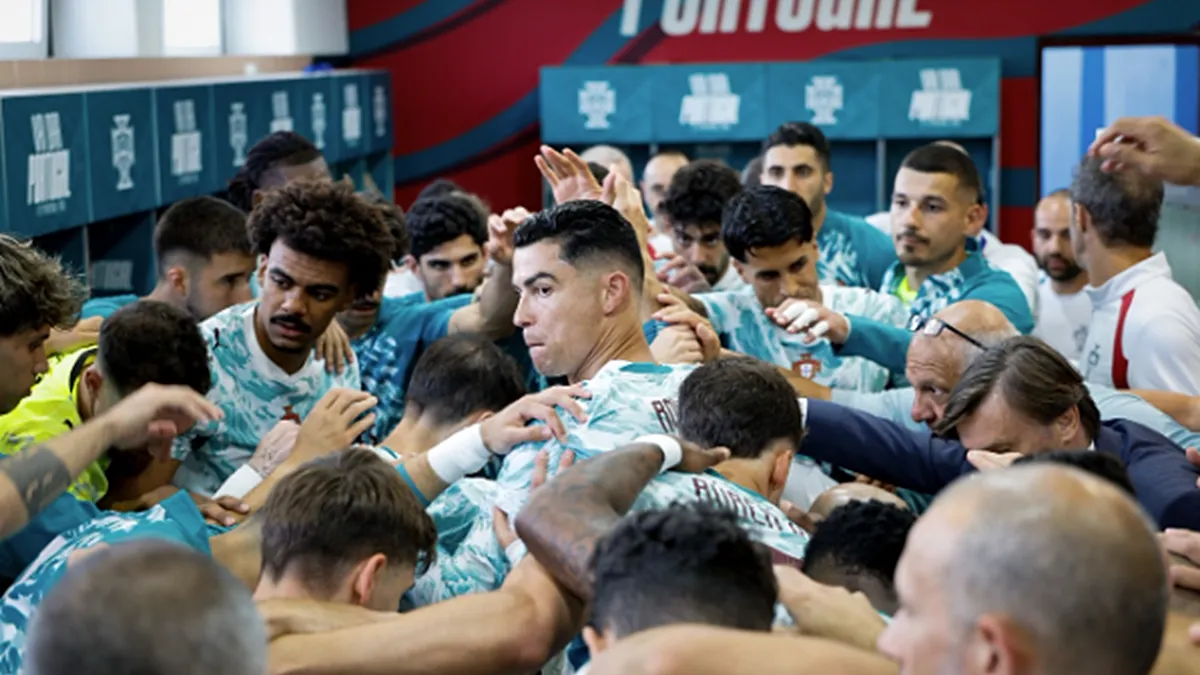
Poinews.com – Portugal’s national squad is positioned for its most promising opportunity to secure a first-ever World Cup title in 2026. With a strong Nations League campaign and consistent performances from its star players, the team appears primed for a deep run in the tournament, which will mark Ronaldo’s last appearance on the global stage. The Portuguese Football Federation (FPF) has chosen the rallying cry “Vai Dar Portugal” to fuel the squad’s aspirations, a phrase that encapsulates the nation’s unwavering faith in its footballing future.
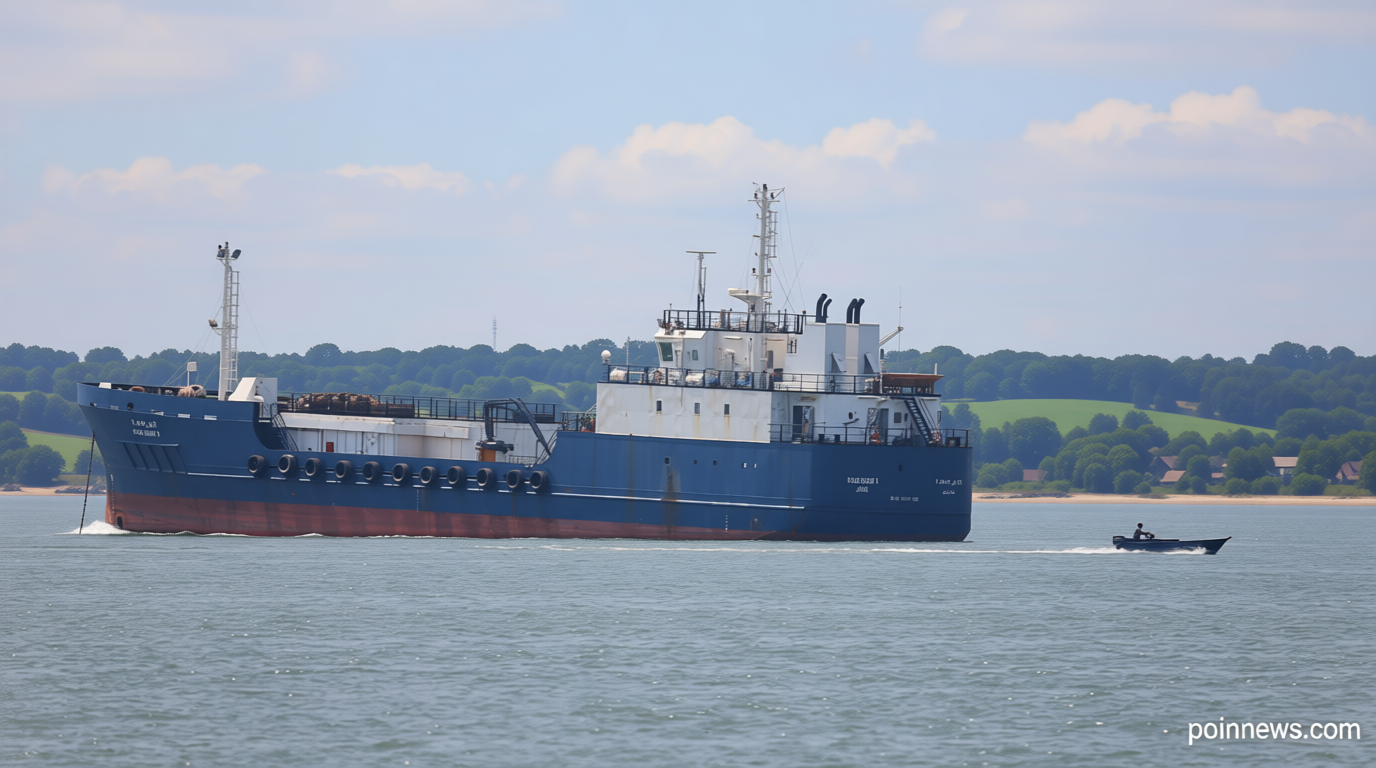
The FPF’s official campaign, launched in late March, features the tugboat “Esperança” (Hope) braving turbulent waters. This imagery symbolizes the team’s steadfast belief in overcoming challenges, as highlighted in the campaign’s message: “Come what may, whatever happens, we have never been this close.” The imagery and narrative aim to unify supporters and players alike in their pursuit of glory.
Ronaldo’s Legacy and Superstition
Cristiano Ronaldo, set to compete in his sixth World Cup, remains the focal point of the team’s ambition. His enduring presence has been a cornerstone of Portugal’s identity, even as younger talents emerge. Coach Roberto Martínez has embraced superstition to bolster morale, citing the number six as a key symbol. This number has historically been tied to Portugal’s top-tier finishes, including third place in 1966 and fourth in 2006.
“We’re confident, determined and we’re going there to win,” said Bernardo Silva, a key midfielder, following a pre-tournament victory against Chile. “There are other teams going with the same ambition and they’re neither more nor less of a favourite than we are.”
Martínez’s belief in numerology extends to the tournament’s structure, with the expectation that a sixth-place finish could mirror past successes. “I have great faith in numerology. I think the number six could bring something very special to the group,” he remarked to RTP Notícias in May.
Historical Context and Past Challenges
Portugal’s journey in major tournaments has been marked by moments of brilliance and near-misses. The “golden generation” of the early 1990s, led by Luís Figo, achieved a historic fourth-place finish in 2006, though it fell short of a title. Decades later, the 2018 World Cup saw the team exit in the last 16, losing 2–1 to Uruguay, a side that was not considered a top contender.
Despite these setbacks, the current squad has shown progress. Diogo Costa, the new goalkeeper, has earned recognition for his third league title with FC Porto and his composure under pressure, including a remarkable feat in the 2024 European Championship where he saved three penalties in a shootout. Meanwhile, Gonçalo Inácio and Renato Veiga provide stability at the back, filling the void left by Pepe’s retirement.
With a blend of experience and emerging talent, Portugal’s 2026 campaign carries the weight of history and the hope of a breakthrough. The team’s chances, however, depend on overcoming weaknesses in key positions and capitalizing on moments that could define their legacy. As the tournament approaches, the question remains: will this be the year the “Esperança” finally reaches the shore?