Solar-mad Germans turn to battery storage to shield themselves against fossil fuel price shocks
ability Solar mad Germans turn to battery - Germany's push toward renewable energy has led to a surge in battery storage adoption, as households seek to

Solar-mad Germans Turn to Battery Storage for Energy Stability
Poinews.com – Germany’s push toward renewable energy has led to a surge in battery storage adoption, as households seek to reduce reliance on volatile fossil fuel markets. With a growing number of solar installations, the country is addressing energy price fluctuations by integrating storage solutions that allow for more flexible electricity use.
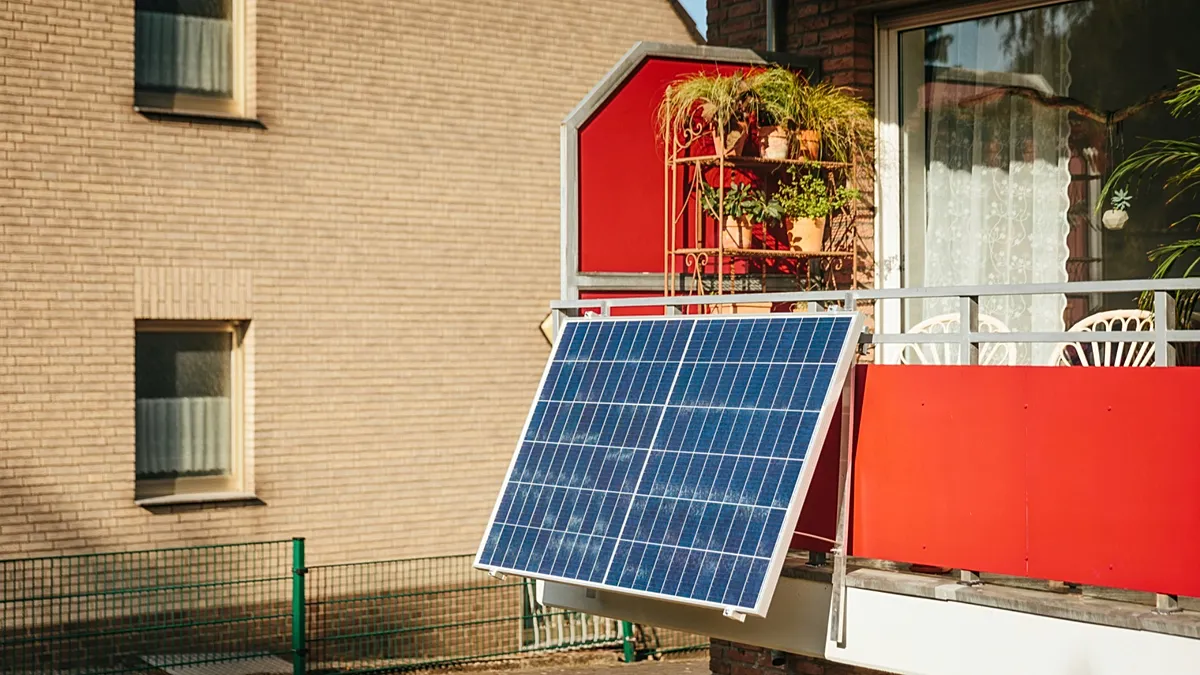
According to Ember, a renewable energy research group, Germany’s renewable generation exceeded that of any other EU nation in 2025. Wind and solar power accounted for over a quarter of the bloc’s total renewable output. This success is fueled by Germany’s 182 offshore wind projects and its vast solar park, spanning more than 500 hectares atop a former coal mine. The nation also leads in plug-in solar systems, which saw over a million installations between 2022 and 2025 due to government incentives.
These incentives included feed-in tariffs, which guaranteed households a fixed rate for selling surplus solar energy to the grid. The removal of VAT further cut costs, enabling plug-in solar panels to be purchased for as low as €200. As a result, the technology gained traction, particularly in rental properties and homes unsuitable for traditional rooftop panels.
However, challenges persist. Europe’s aging power grid has created bottlenecks, risking up to 120 GW of renewable capacity if upgrades aren’t accelerated. On sunny days, excess solar energy often leads to negative electricity prices, as generators compete to avoid shutdowns. This issue has worsened, with sub-zero pricing nearly doubling compared to the previous year.
Battery storage systems are seen as a critical solution to these problems. By capturing daytime solar energy and releasing it during peak demand, they help balance supply and consumption. This approach prevents wasted generation and eases grid strain. “Flexibility has become the key enabler of progress,” notes Solar Power Europe, emphasizing the need for storage to support expanding renewables.
Since June 2025, Germany’s battery storage capacity has grown from 21.8 GWh to 29.83 GWh—a 37% increase. That amount could fully charge 500,000 electric vehicles. Three-quarters of this capacity is now home-based, with the remainder allocated to large-scale systems.
“The Iran war and rising fossil fuel prices have reignited interest in energy independence,” says Jannik Schall of 1KOMMA5°. “Combining control and storage, such as with solar systems, heat pumps, and EVs, offers consumers a reliable shield against market volatility.”
The EU’s battery storage growth continues, with 27.1 GWh of new systems installed in 2025. This marks the 12th consecutive year of record expansion, yet the total fleet remains at 77 GWh—far below what is needed for long-term sustainability.