Root to Rise: Preserving Qatar’s Cultural Heritage
Root to Rise: Preserving Qatar’s Cultural Heritage Root to Rise - In an era of rapid modernization, Qatar’s cultural identity remains a cornerstone of its

Root to Rise: Preserving Qatar’s Cultural Heritage
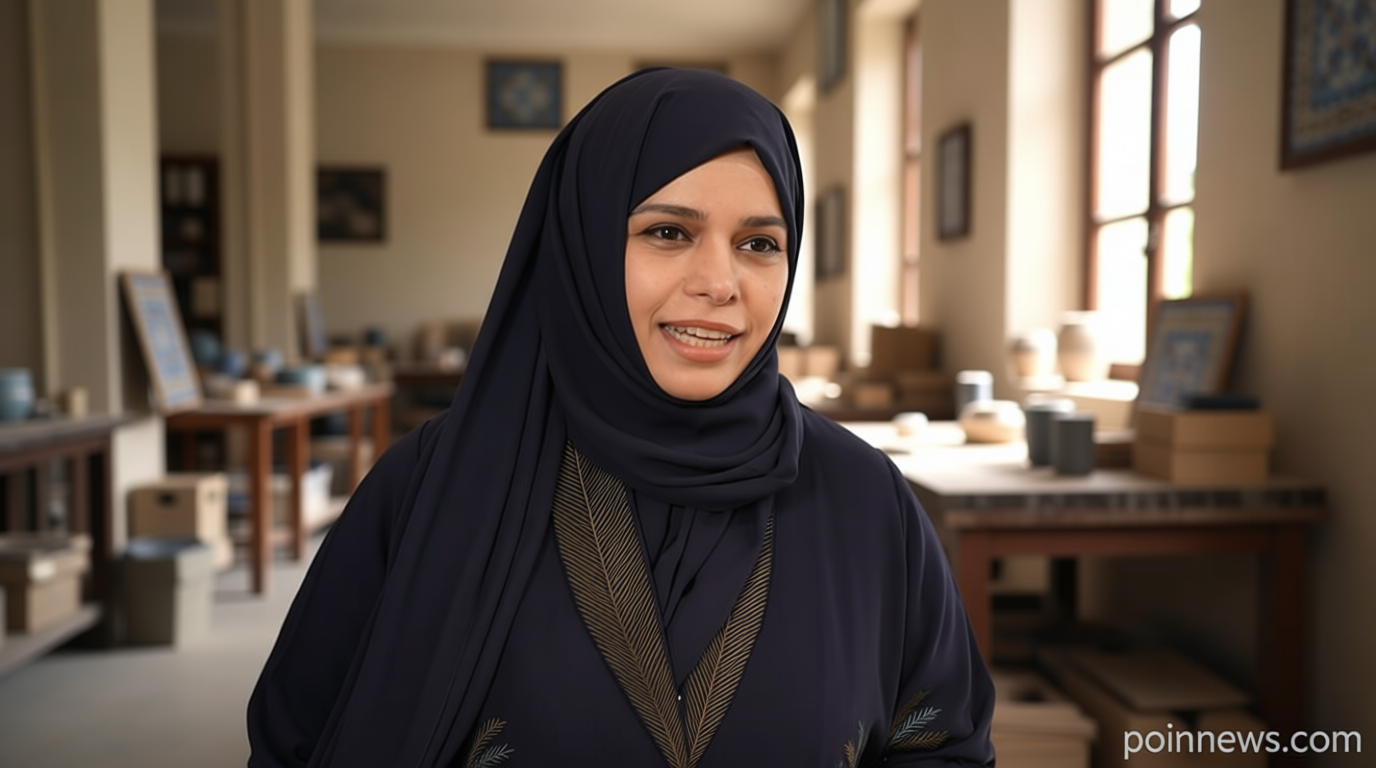
Poinews.com – In an era of rapid modernization, Qatar’s cultural identity remains a cornerstone of its national narrative, and the initiative “Root to Rise” serves as a vital testament to the country’s dedication to safeguarding its traditions. This project, showcased in the series Qatar in Motion, follows Laila’s exploration of Education City—a hub of innovation and learning—as she delves into the historical significance of Al Khater House. Once a symbol of the nation’s founding families, this preserved structure now stands as a cultural landmark, hosting the Herfah program, which revives ancient Qatari and Islamic crafts. Through such efforts, Qatar illustrates how heritage and progress can coexist, offering a blueprint for sustainable cultural preservation in the 21st century.
The Heritage of Al Khater House
Al Khater House, nestled within the heart of Doha, is more than a physical structure—it is a living archive of Qatar’s past. Built in the 19th century, the house exemplifies traditional Qatari architecture, with intricate wooden carvings, shaded courtyards, and a design that harmonizes with the desert climate. Its transformation into a cultural center underscores Qatar’s commitment to preserving architectural and artistic legacies while making them accessible to contemporary audiences. The Herfah program, which originated from this space, has become a pivotal platform for artisans to share their knowledge and skills, ensuring that techniques passed down through generations are not lost to time.
By integrating the Herfah initiative with the resources of Education City, Qatar bridges the gap between historical preservation and modern education. The program collaborates with universities and research institutions to develop curriculum modules that incorporate traditional craftsmanship into academic studies. This dual approach not only nurtures the next generation of cultural custodians but also positions heritage as a dynamic force in national development. As Laila documents, the result is a vibrant ecosystem where the past informs the future, and where cultural identity is celebrated as a vital asset.
Root to Rise: A Vision for the Future
Root to Rise embodies Qatar’s philosophy of progress rooted in tradition. The initiative highlights how cultural preservation is not merely about maintaining the status quo but about reimagining heritage for contemporary relevance. By showcasing the revival of crafts such as handwoven textiles, pottery, and metalwork, the program emphasizes the importance of these art forms in shaping Qatar’s unique identity. These crafts, once integral to daily life, are now being taught to young artisans who view them as a bridge to both global markets and local pride.
Moreover, the movement underscores the role of community engagement in cultural sustainability. Local workshops and public exhibitions, hosted at Al Khater House, invite residents to participate in the revival process, fostering a sense of ownership and connection. This grassroots approach ensures that cultural heritage remains an active part of everyday life rather than a distant memory. As the Herfah program expands, it aims to create a network of cultural hubs across the country, ensuring that preservation efforts are both inclusive and enduring.
Through Root to Rise, Qatar demonstrates that cultural preservation is not a static endeavor but a continuous dialogue between tradition and innovation. The integration of heritage into urban development, such as Education City’s architectural design, reflects this balance. While modern infrastructure is built with cutting-edge technology, it is often infused with elements that pay homage to Qatari aesthetics and history. This intentional design choice reinforces the idea that progress can be anchored in the values of the past, creating a cohesive national narrative that resonates across generations.