Péter Magyar’s EU summit debut signals Hungarian reset after change of guard
's EU Summit Debut Marks Hungarian Shift Péter Magyar s EU summit debut - Péter Magyar’s debut at the EU summit in Brussels has sparked renewed optimism about

Péter Magyar’s EU Summit Debut Marks Hungarian Shift
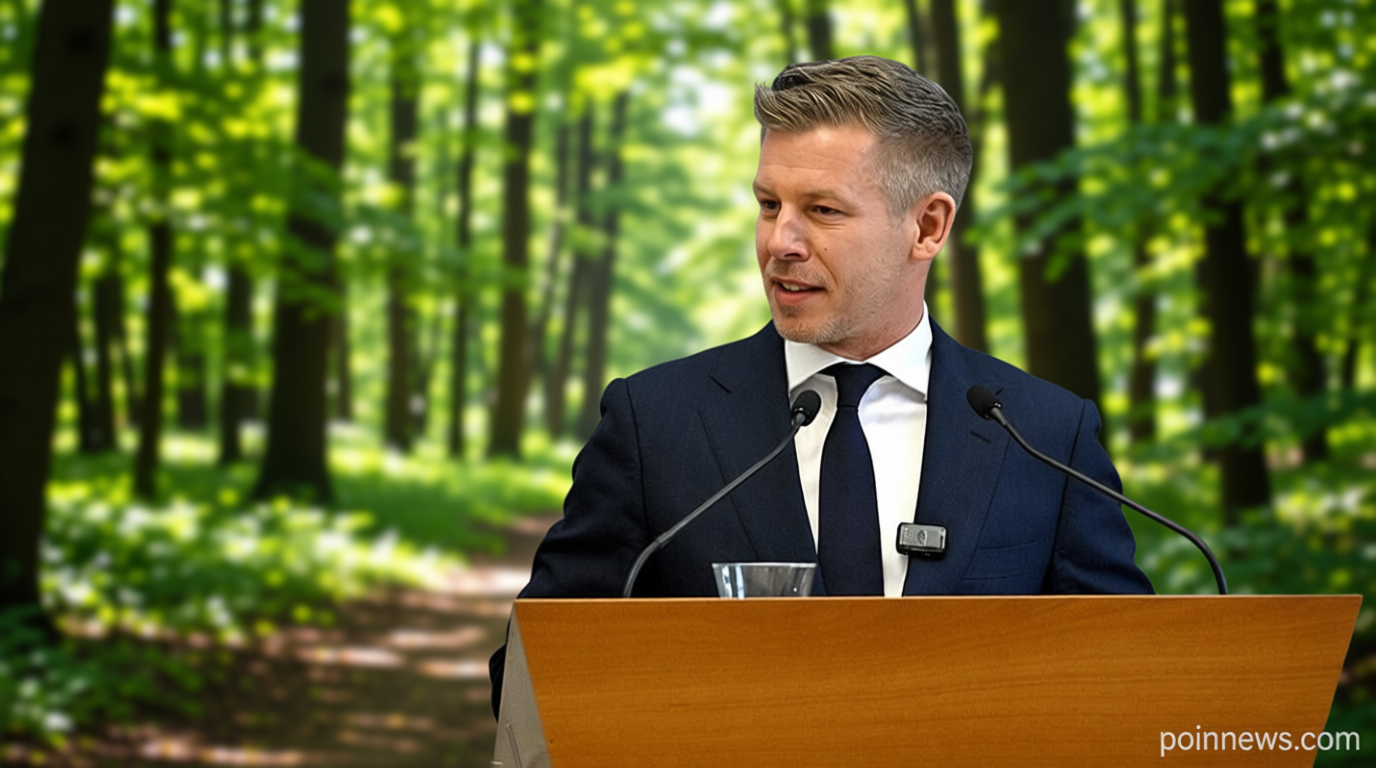
Poinews.com – Péter Magyar’s debut at the EU summit in Brussels has sparked renewed optimism about Hungary’s evolving stance toward the bloc. The new Prime Minister’s presence at the event signals a departure from previous policies, as he pledged to represent Hungary’s interests more assertively. “I will represent only the interests of Hungary and its people,” Magyar emphasized, signaling a focus on national priorities over ideological alignment with all EU members.
Magyar’s Strategic Reorientation
Magyar’s approach at the summit reflects a calculated effort to reposition Hungary within the European framework. During discussions, he engaged with leaders from the European People’s Party, including Kyriakos Mitsotakis and Manfred Weber, to align his government with the broader conservative agenda. “The Hungarian government is committed to a more cooperative and pragmatic engagement with the EU,” he stated, highlighting his intent to mend strained relations. This strategy comes amid a political transition that has reshaped Hungary’s domestic priorities.
“We will represent Hungary in a different way. We will not agree on everything, but our focus will be clear: the interests of Hungary and its people.” — Péter Magyar
Analysts note that Magyar’s emphasis on sovereignty and fiscal responsibility has resonated with EU officials, who had long criticized Hungary’s departure from shared values. “The summit marked a critical moment for Hungary’s credibility,” remarked a diplomat at the EPP meeting. Magyar’s leadership has been defined by a commitment to restoring trust, particularly after his government’s shift in EU policies has been a focal point of recent debates.
Financial Reforms and Political Realignment
Magyar’s administration has prioritized reviving Hungary’s EU relations, with a key goal being the release of frozen financial support. Shortly after assuming office, he brokered an agreement with European Commission President Ursula von der Leyen to unlock €16.4 billion in blocked funds, a move that has been seen as a major breakthrough. This financial reconciliation has bolstered Magyar’s ability to project stability and alignment with EU objectives, contrasting with his predecessor’s more confrontational tactics.
Another notable shift is Hungary’s reversal on Ukraine’s EU accession talks, a policy change that underscores Magyar’s willingness to adapt. While he supported opening negotiations, he stressed the need for a merit-based process, stating, “We have reservations about proceeding too quickly.” This stance has been praised by some EU members, who view it as a sign of Hungary’s return to collaborative diplomacy.
“The new Hungarian government is ready to work with the EU, but on its own terms.” — Péter Magyar
Orbán’s Legacy and New Dynamics
Despite his political transition, Viktor Orbán remains a significant figure in Hungary’s new EU strategy. His participation in the summit, though not as a prime minister, showcased his continued influence. Orbán engaged with leaders of the Patriots for Europe party, advocating for a firm stance on the EU’s upcoming budget. “If we veto the seven-year budget, we can reclaim the two billion we lost,” he said, demonstrating his role as a strategic advisor rather than a direct leader.
The summit also highlighted the shift in Hungary’s political landscape. With the loss of the House of Hungary—a Brussels-based office previously maintained by Fidesz—the country’s diplomatic footprint has diminished. However, Magyar’s leadership has been instrumental in steering the nation toward a more moderate path, ensuring that Hungary’s voice remains relevant in EU discussions. As the new administration solidifies its approach, the EU appears cautiously optimistic about a potential reset in relations.