Live. EU leaders kick off heated talks on €2 trillion long-term budget plan
EU Leaders Kick Off Heated Talks on €2 Trillion Long-Term Budget Plan EU leaders kick off heated talks - At the opening of the EU summit, leaders initiated

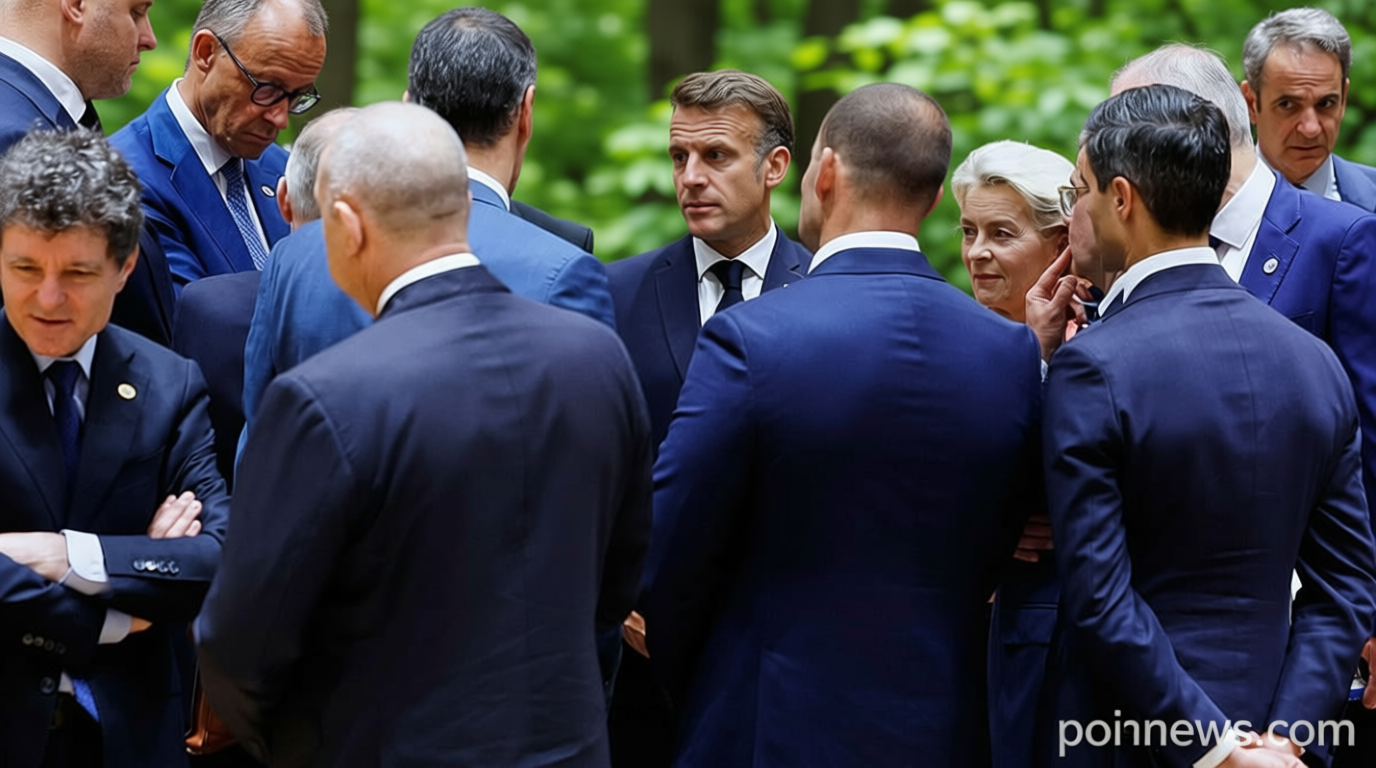
Table of Contents
EU Leaders Kick Off Heated Talks on €2 Trillion Long-Term Budget Plan
Poinews.com – At the opening of the EU summit, leaders initiated intense discussions over the bloc’s €2 trillion seven-year budget plan, marking the beginning of a pivotal negotiation period. This ambitious financial blueprint, unveiled by the European Commission, aims to address long-term priorities such as climate resilience, digital transformation, and economic cohesion across member states. Cyprus, currently holding the rotating presidency, has already proposed a 2% reduction in the total amount, which would amount to €32.8 billion, a move that has sparked significant debate. While this cut aligns with the interests of nations seeking to safeguard agriculture and cohesion funds, other leaders, who identify themselves as “modernisers,” argue that the proposed spending levels remain too generous and could strain the EU’s fiscal stability.
The Frugal vs. Moderniser Divide
The budget plan has intensified the longstanding divide between EU “frugals” and “modernisers,” with both factions vying to shape the financial framework. Frugal nations, often from the north of the bloc, prioritize fiscal discipline and seek to reduce the overall expenditure, citing concerns over rising public debt and inflationary pressures. In contrast, modernisers advocate for increased investment in emerging priorities like green energy and innovation, emphasizing the need to secure a sustainable economic future. This ideological split has been further amplified by the current political climate, where leaders are acutely aware of the stakes involved in finalizing a deal before the next set of elections in France and Poland. The outcome of these negotiations could significantly influence the direction of EU policy for years to come.
Political Dynamics and Election Pressures
The urgency of the discussions has been heightened by the upcoming elections in key member states, which could shift the balance of power within the EU. German Chancellor Friedrich Merz, a prominent voice in the frugal camp, criticized the budget proposal as “clearly too high,” insisting that the EU must adapt its spending to reflect current economic realities. He argued that without structural reforms to the revenue model, the bloc risks overcommitting to projects that may not yield immediate returns. Meanwhile, leaders from countries like France and Ireland have pushed for a more balanced approach, stressing the importance of investing in critical areas such as agriculture and regional development to maintain social stability and public support.
As the summit progressed, the focus keyword “EU leaders kick off heated” resurfaced in the context of negotiations over funding allocation. The debate over the budget’s structure has become a central issue, with leaders emphasizing the need for transparency and fairness in how resources are distributed. Austrian Chancellor Christian Stocker, for instance, highlighted the importance of maintaining diplomatic channels with Russia while acknowledging that the current budget plan lacks sufficient flexibility. His remarks underscored the complexity of the discussion, as nations grapple with balancing immediate needs against long-term strategic goals.
Key Stakes and Sectoral Priorities
The €2 trillion budget encompasses a wide range of sectors, from infrastructure and research to environmental protection and social welfare. Each member state has distinct priorities, which has led to a fragmented approach in the negotiations. For example, nations with strong agricultural sectors, such as France and Italy, have lobbied for higher allocations to support their farming industries, while countries like the Netherlands and Sweden have focused on securing funds for digital innovation and climate initiatives. This divergence has made consensus challenging, as leaders must navigate competing interests while ensuring the budget remains viable within the EU’s financial constraints.
Amid these tensions, the role of the European Commission has come under scrutiny. Critics argue that the proposed budget, while comprehensive, lacks clarity on how funds will be distributed and what mechanisms will ensure accountability. Some leaders have also raised concerns about the potential for future debt increases, warning that without a robust revenue model, the EU may face long-term financial challenges. These debates have forced leaders to reconsider not only the amount of money allocated but also the framework within which it is spent, highlighting the need for a more agile and responsive budgeting system.
“The EU must strike a balance between ambition and realism,” said Italian Prime Minister Giorgia Meloni during a closed-door session, echoing sentiments shared by many. “We cannot afford to ignore the financial realities of our member states while pushing for unprecedented spending.” Her comments reflect a growing consensus that the budget’s success will depend on its ability to address both immediate needs and future challenges without compromising fiscal sustainability. As the summit continues, the focus keyword “EU leaders kick off heated” remains central to the discussion, with negotiators striving to find common ground amid diverging priorities.
Path Forward and Strategic Considerations
With the summit entering its second week, leaders are increasingly aware that a compromise must be reached to avoid prolonged deadlock. Some have suggested creating a working group to draft a revised proposal, incorporating feedback from all factions. This approach could help streamline the process and ensure that the final budget reflects the collective interests of the EU. Additionally, discussions on alternative revenue sources, such as a digital tax or carbon pricing mechanisms, are gaining traction, offering potential solutions to the funding shortfall.
As the negotiations unfold, the emphasis on “EU leaders kick off heated” debates has become a defining feature of the summit. The stakes are high, not only for the EU’s financial future but also for its ability to maintain unity in the face of growing internal pressures. The final resolution will likely serve as a test of the bloc’s resilience and adaptability, shaping its trajectory in an era of economic uncertainty and geopolitical shifts. With time running out and political deadlines looming, the summit’s outcome could set the stage for a transformative era in European cooperation.