Cooling down a ‘logistical nightmare’ at Tour de France, champ Tadej Pogacar says
Cooling Down a Logistical Nightmare at Tour de France, Champion Tadej Pogacar Comments Unprecedented Heat Challenges the Tour de France Cooling down a

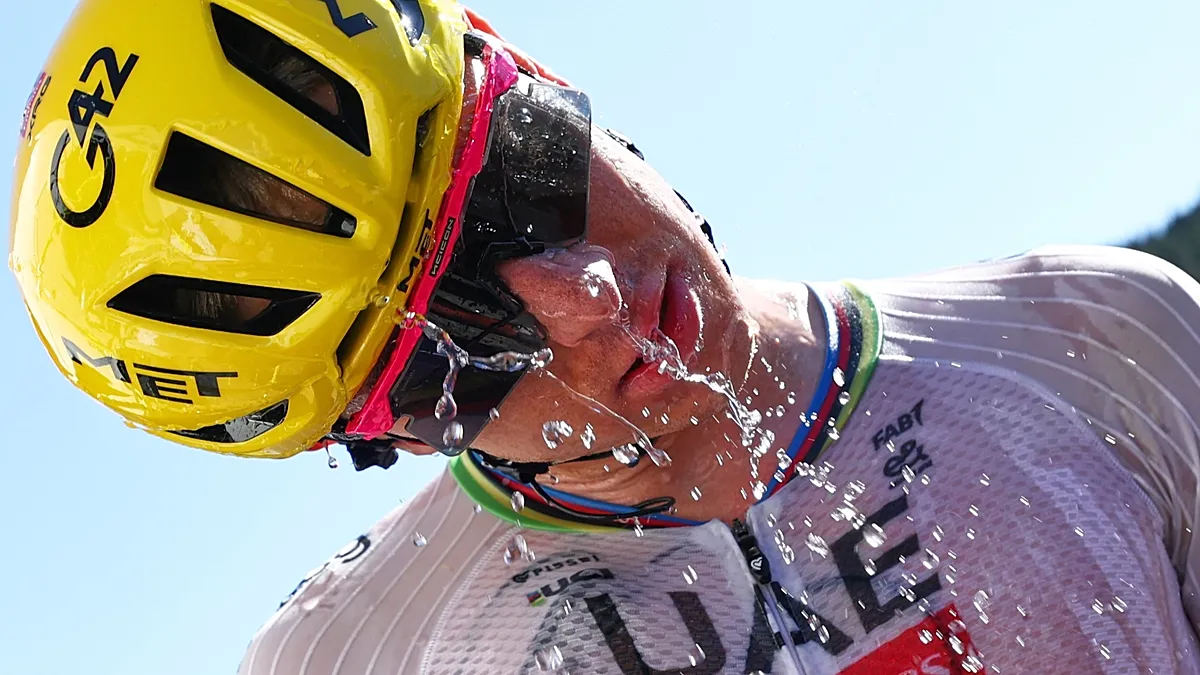
Cooling Down a Logistical Nightmare at Tour de France, Champion Tadej Pogacar Comments
Unprecedented Heat Challenges the Tour de France
Poinews.com – The Tour de France, one of cycling’s most prestigious events, is facing a significant logistical challenge as extreme heat forces riders to implement extraordinary cooling methods. Champion Tadej Pogacar, who secured the yellow jersey in the third stage, has called the situation a “logistical nightmare,” highlighting the strain on teams and athletes to manage rising temperatures. With temperatures in Barcelona surpassing 30°C and the fourth stage in Carcassonne potentially reaching 40°C, the race has become a test of endurance, strategy, and resourcefulness. Cooling down has emerged as a critical factor in maintaining performance, leading to creative solutions such as frozen vests, ice lollies, and immersion in iced water.
“The heat is a major challenge, especially when it’s as intense as today,” Pogacar explained after the stage, which saw temperatures hit 36°C. “Our team goes above and beyond to keep us cool, which is essential for staying competitive. Without these measures, the race could be a real battle for survival.”
Teams have adapted by prioritizing hydration and cooling strategies, even if it means deviating from traditional race protocols. For instance, during the opening team time-trial in Barcelona, riders from Netcompany Ineos dipped their forearms in ice before the start, while French cyclist Paul Seixas wore an ice vest during recovery. These methods, though unofficial, have become a staple for managing heat, despite the ban on ice socks during the race. The urgency of staying cool has also led to increased reliance on teammates to supply water and ice, particularly in grueling sections like a 15-kilometre valley where access to cooling resources is limited.
Climate Change Intensifies the Race’s Environmental Strain
Climate change has amplified the logistical hurdles of the Tour de France, making heatwaves a recurring threat. France’s Interior Minister Laurent Nuñez warned prior to the race that extreme conditions could force stage adjustments or even cancellations. This year’s challenges include not only scorching temperatures but also wildfires near the finish line, which prompted emergency evacuations for 10,500 residents in Perpignan. “We are ready to modify everything, anywhere, at any time,” said Tour director Christian Prudhomme, acknowledging the need for adaptive measures in the face of unpredictable weather.
“Who would have imagined, in any case certainly not us, that last year we had to reroute a stage due to an outbreak of lumpy skin disease in cattle?” Prudhomme reflected, emphasizing the evolving nature of environmental disruptions. “This year, wildfires added another layer of complexity, requiring firefighters to respond swiftly to protect both riders and spectators.”
Experts like Benjamin Sultan of France’s Institute of Research and Development (IRD) predict that the Tour will need to adapt further to these conditions. Sultan noted that heatwaves are expected to double in frequency by the end of the century, which could render the race’s traditional July schedule unsustainable. “The logistical nightmare isn’t just about cooling riders—it’s about ensuring the entire race infrastructure can handle extreme weather, from fuel supply to fan safety,” Sultan added, underscoring the far-reaching implications of climate change.
Innovative Cooling Techniques and Their Impact
Riders are now leveraging advanced techniques to counteract the effects of heat, which can lead to dehydration and performance decline. Frozen vests, for example, are worn during rest periods to lower body temperatures, while ice socks are discreetly packed into jerseys for quick cooling. These methods, though unconventional, have proven effective in maintaining peak condition. Pogacar, who has been vocal about the importance of these strategies, said, “Cooling down is a race in itself. Every drop of water and every ice pack matters.”
Logistical teams are also stepping up their efforts, ensuring that cooling resources are available at every stage. This includes pre-station cooling stations, emergency ice supplies, and even cooling blankets for riders who experience heat-related fatigue. The increased demand for these measures has created a ripple effect, with organizers having to coordinate more frequently with local authorities and suppliers to meet the race’s needs. “Cooling down a logistical nightmare requires seamless coordination,” said Prudhomme, adding that the Tour’s ability to adapt is a testament to its resilience.
As the race progresses, the focus on cooling down has become a unifying theme among cyclists and organizers. Teams are now treating heat management as a strategic priority, with riders like Pogacar praising the efforts of their support staff. “Without these cooling strategies, the race would be much harder to win,” Pogacar noted, highlighting the balance between physical endurance and logistical support. The combination of extreme heat and climate-related disruptions has pushed the Tour to its limits, but the champions and organizers remain determined to overcome these challenges.