Keir Starmer calls decision to resign as British PM ‘intensely personal’
Keir Starmer Calls Decision to Resign as British PM 'Intensely Personal' Keir Starmer calls decision to resign as British PM 'intensely personal' following

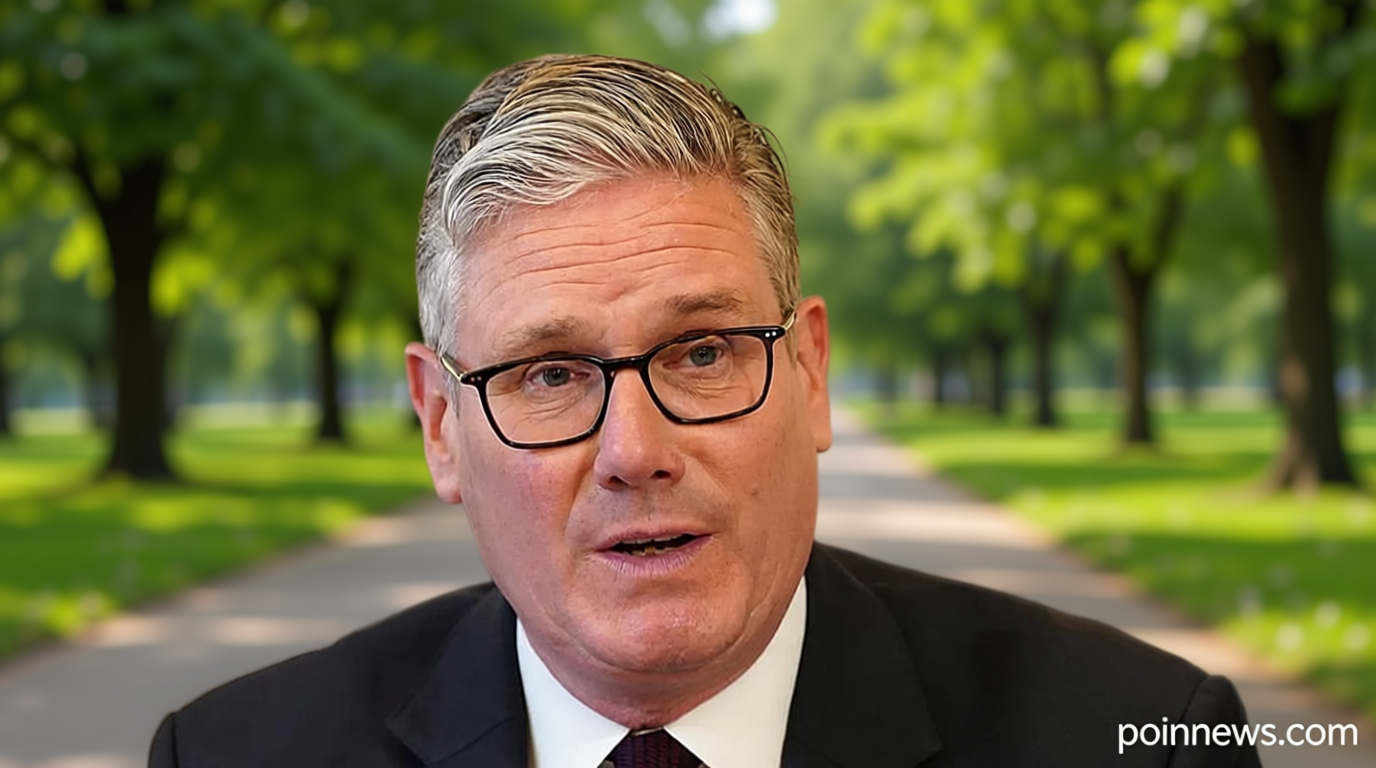
Keir Starmer Calls Decision to Resign as British PM ‘Intensely Personal’
Poinews.com – Keir Starmer calls decision to resign as British PM ‘intensely personal’ following his announcement to step down from the role. The Labour leader, who had previously served as the UK’s Prime Minister, described the choice as a deeply personal one during an exclusive interview with the BBC. “It was tough. I’m not going to pretend otherwise,” he said, emphasizing the emotional weight behind the decision. Starmer’s resignation comes after a challenging period in his tenure, marked by intense political pressure and the need to balance domestic priorities with international commitments. While he will remain in office until the Labour Party formally elects a new leader, the decision underscores the personal sacrifices required of a nation’s top executive.
Reasons Behind the Resignation
Starmer’s decision to resign as British PM was driven by a combination of personal and professional factors, as he revealed in the interview. The former prime minister highlighted the relentless demands of leadership, which often leave little room for personal life. “When you’re in that position, you’re constantly making decisions that affect millions, but ultimately, it came down to what was best for me and my family,” he explained. He also mentioned the pressures of global diplomacy, particularly the ongoing conflicts in Ukraine and Iran, which have had a profound impact on the cost of living and household incomes across the UK. These challenges, he argued, had become a significant burden on his mental and physical well-being.
A Warning to the Next Leader
Starmer took the opportunity to address the responsibilities that lie ahead for his likely successor, Andy Burnham. The former mayor of Greater Manchester and newly elected MP, who recently won the Makerfield by-election in June, is now positioned as a strong contender for the Labour leadership. Starmer cautioned that the next prime minister would need to prioritize diplomacy and international affairs, especially in light of the economic fallout from the Ukraine and Iran conflicts. “If you’re prime minister and you care about what bills are going to be like in any household around the country, you have to care about finding a lasting solution to the situation in Ukraine,” he stated. “You also have to care about what happens in the Strait of Hormuz,” he added, linking global tensions to domestic economic struggles.
“The biggest impact on the cost of living, therefore on the household income and living standards of everybody in the country… the biggest impact in the last few years has been on one hand the Ukraine conflict, on the other the Iran conflict,” he said. “If you’re prime minister and you care what bills are going to be like in any household around the country, you have to care about finding a lasting solution to the situation in Ukraine. You have to care about what happens in the strait of Hormuz,” he added.
Andy Burnham’s Leadership Vision
Andy Burnham, who previously represented Leigh as an MP from 2001 to 2017 before becoming mayor of Greater Manchester, has positioned himself as a leader focused on domestic concerns. Speaking after his Makerfield victory, Burnham expressed confidence in his ability to address the UK’s economic and social challenges. “This is a chance to build a new politics based on unity and hope,” he said, emphasizing his commitment to tackling issues like inflation, housing affordability, and public services. Burnham’s vision aligns with Starmer’s earlier goals of fostering a more socially cohesive government, though his approach places greater emphasis on domestic policy over international engagement.
Political Context and Public Reaction
The decision to resign as British PM has sparked widespread discussion within the Labour Party and among the public. Critics argue that Starmer’s focus on global diplomacy, particularly his frequent visits to international summits, has sometimes overshadowed domestic concerns. However, supporters of his leadership defend his commitment to addressing the UK’s role in global affairs, stating that it is essential for long-term economic stability. Public reaction has been mixed, with many acknowledging the personal toll of his role while also recognizing the complexities of governing in a time of global uncertainty. Starmer’s resignation marks a pivotal moment in UK politics, as the nation prepares for a new era of leadership under the Labour Party.
Implications for the Labour Party
Starmer’s departure as British PM may have significant implications for the Labour Party’s future direction. As the party’s leader, he played a crucial role in shaping policy and maintaining unity within the party. His resignation could lead to a shift in focus, with potential changes to the party’s priorities and approach to governance. Analysts suggest that Burnham’s ascension to the premiership might bring a more domestically oriented strategy, though the party will need to navigate the challenges of political fragmentation and economic pressures. The transition highlights the delicate balance between personal conviction and political pragmatism, as Starmer’s decision to resign as British PM becomes a defining moment in the UK’s political landscape.