At the Web3 Summit, a growing movement wants to reclaim the internet for the people
g Movement Aims to Reclaim the Internet At the Web3 Summit a growing - At the Web3 Summit, a growing number of participants are pushing for a reimagined

Web3 Summit: Growing Movement Aims to Reclaim the Internet
Poinews.com – At the Web3 Summit, a growing number of participants are pushing for a reimagined digital landscape that puts users at the center. As the fifth edition of the “digital freedom festival” unfolded, the focus shifted from the early promises of blockchain to a broader conversation about how decentralized technologies could empower individuals. The summit became a platform for activists, developers, and policymakers to explore whether Web3 can truly challenge the dominance of centralized platforms and restore control of the internet to its users.
The event’s discussions revolved around a critical question: can decentralized systems like blockchain and tokenized economies disrupt the current power dynamics in the digital world? With tech giants increasingly consolidating data and algorithmic control, attendees emphasized the need for alternatives that prioritize transparency, fairness, and user sovereignty. One recurring theme was the idea that Web3’s potential lies in its ability to create systems where individuals, not corporations, hold the keys to their online identities and digital assets.
Reclaiming Data Control in the Age of AI
Bill Laboon, a technical operations leader at the Web3 Foundation, underscored the urgency of data ownership. “Over a person’s digital lifetime, they contribute about $162,000 (€141,000) to companies without realizing it,” he noted. This figure highlights the vast economic value of personal data in an era where artificial intelligence is being fed endless streams of user-generated information. Laboon warned that unchecked access to this data could enable invasive profiling, with Web3’s decentralized infrastructure offering a way to decentralize control and make it more equitable.
“The danger in AI often lies in the data it draws from you. We don’t want it to know your unique details,” Laboon said.
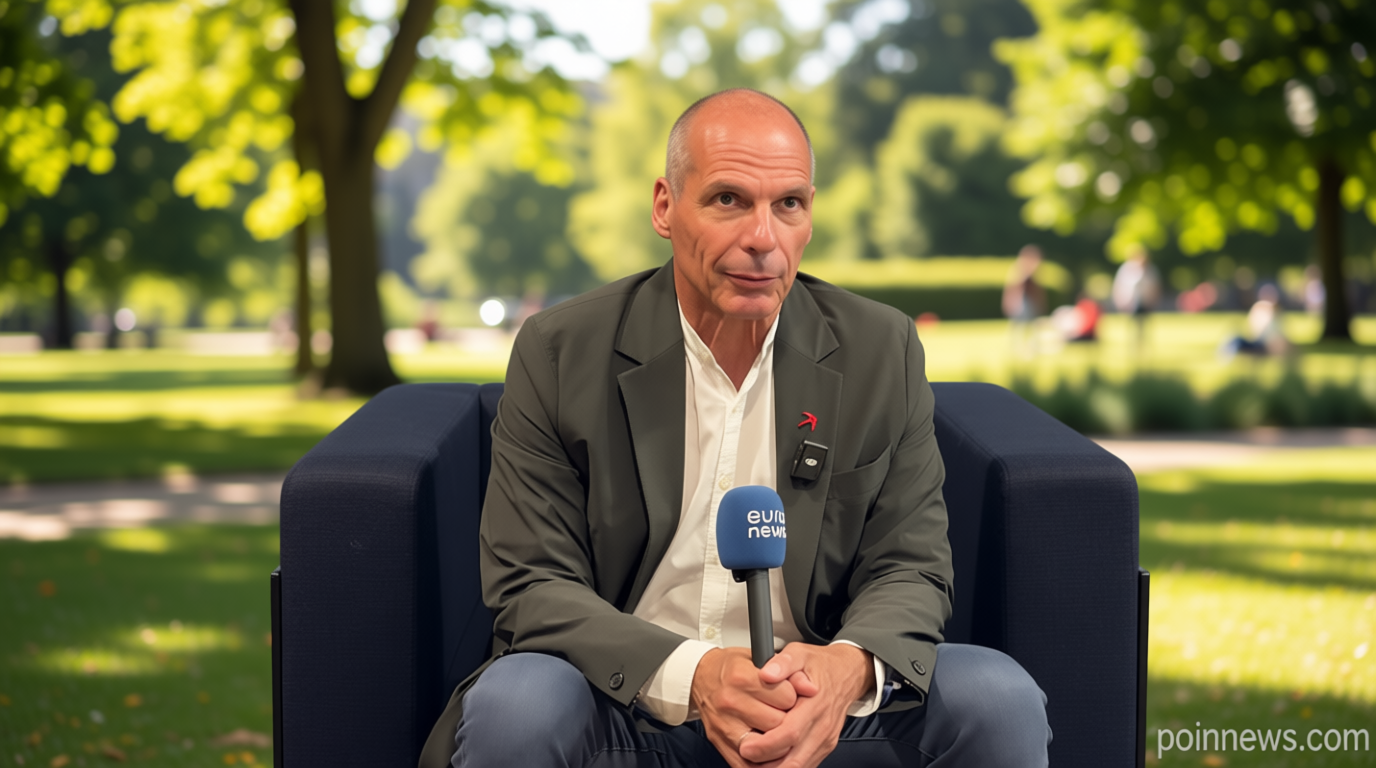
Yanis Varoufakis, former Greek finance minister and economist, framed the debate as a battle over digital sovereignty. He criticized the rise of “technofeudalism,” where tech monopolies dictate the rules of online interaction. “Unsustainable political systems arise when the needs of the few override those of the many,” Varoufakis argued. “Democratic action is the only way to fix this.” While he questioned whether Web3 could fully dismantle Big Tech’s grip, he acknowledged its role as a tool for redistributing power across the digital sphere.
Building Alternatives Through Decentralized Models
Joshua Davila, founder of The Blockchain Socialist, outlined a vision where decentralized systems align with cooperative economic models. “We’ve developed apps that merge local currencies with credit unions, inspired by grassroots movements,” he explained. These tools, Davila claimed, redirect earned interest toward community projects rather than corporate profits. The idea is to create an internet where users not only control their data but also decide how it is used, fostering a more participatory and inclusive digital economy.
Despite the optimism, some skeptics argue that Web3’s initial promise has been overshadowed by speculative fervor. However, the summit revealed a renewed interest in its potential to transform digital ownership. With AI accelerating the centralization of online power, many attendees agreed that decentralization is essential for balancing control between users and algorithms. Yet, they remain divided on whether Web3 can fully deliver on its vision or if new challenges will emerge from its implementation.
One of the key debates centered on the scalability of decentralized systems. Critics pointed to the energy consumption and complexity of blockchain networks, questioning whether they could sustain widespread adoption. Supporters, however, highlighted innovations like layer-two solutions and proof-of-stake mechanisms that reduce environmental impact while maintaining security. These advancements, they argued, make Web3 a viable alternative to traditional tech platforms.
Additionally, the summit featured discussions on the role of governance in decentralized systems. Attendees emphasized the need for user-centric decision-making, where communities collectively shape the rules of their digital spaces. This approach contrasts with the top-down control often seen in centralized platforms, offering a model that aligns with the principles of Web3. As the movement gains momentum, the challenge remains to ensure that decentralized systems are accessible to all, not just the technologically savvy or financially privileged.
With the Web3 Summit serving as a catalyst for these conversations, the focus keyword “At the Web3 Summit a growing” is naturally woven into the narrative. The event not only highlights the potential of decentralized technologies but also underscores the collective effort to redefine the internet’s future. As the movement continues to evolve, its success will depend on collaboration, innovation, and a commitment to empowering users in an increasingly data-driven world.