Capgemini AI chief: Humans and AI don’t have the right chemistry — yet
Human-AI Collaboration Still Evolves Capgemini AI chief - At the recent VivaTech event in Paris, industry leaders showcased their AI ambitions, ranging from

Capgemini AI Chief: Human-AI Collaboration Still Evolves
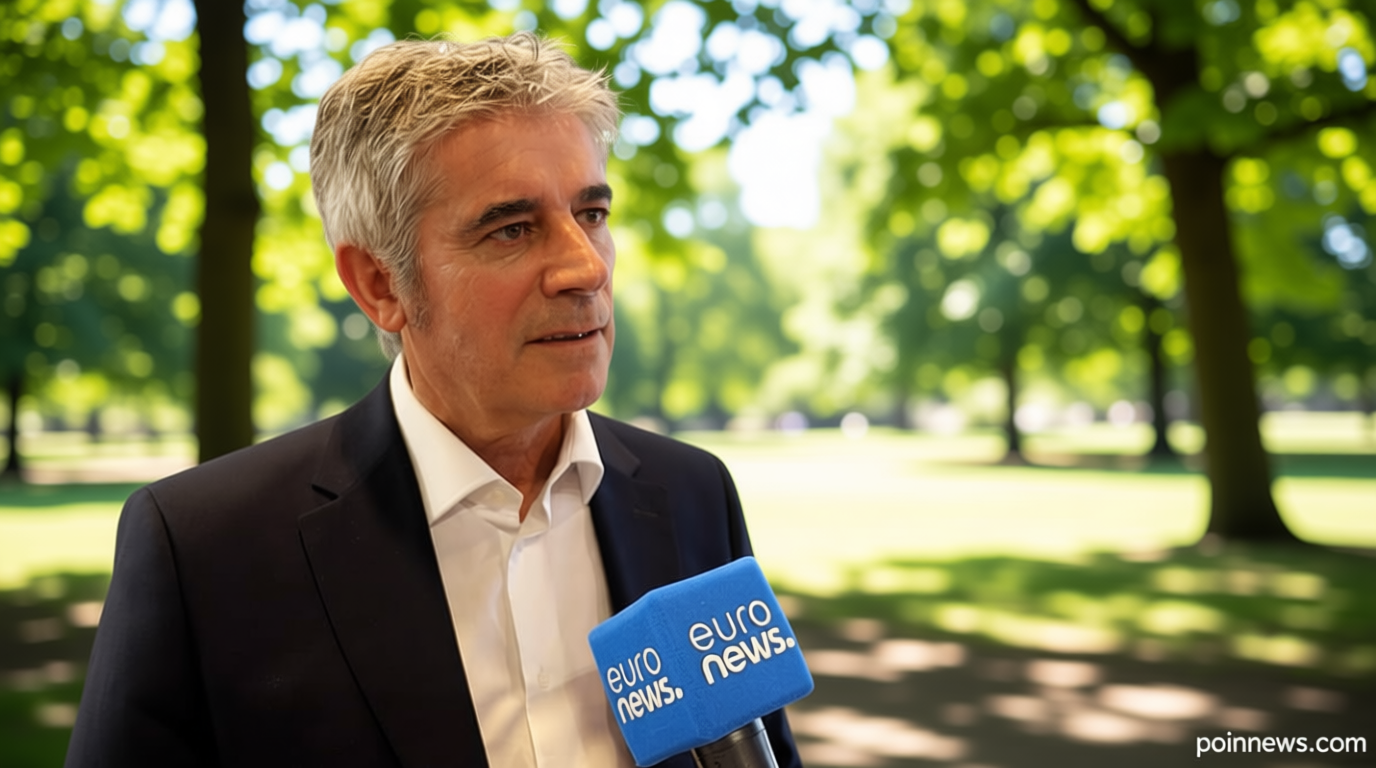
Poinews.com – At the recent VivaTech event in Paris, industry leaders showcased their AI ambitions, ranging from intelligent agents to automation solutions. However, Pascal Brier, Capgemini’s group chief innovation officer, emphasized that the real challenge lies in whether businesses can integrate AI effectively across large operations. “Not every organization will succeed with AI,” Brier remarked in an interview with Euronews Next.
Capgemini’s ‘Year of Truth’
Capgemini has labeled 2026 as its “year of truth” for artificial intelligence, aiming to demonstrate that the technology can be scaled within enterprises and produce tangible outcomes. Despite the enthusiasm surrounding AI, Brier noted that many companies have overlooked the time required to fully grasp, implement, and benefit from it. “AI is reshaping the broader tech landscape, but adoption takes longer than people expect,” he explained.
In January, Capgemini announced plans to reduce up to 2,400 positions in France. Yet, Brier clarified that these layoffs are not directly tied to AI advancements. “AI isn’t just replacing roles—it’s redefining how we operate,” he said, highlighting the shift in business practices rather than outright job elimination.
Building Trust Between Humans and AI
According to Brier, creating strong “human-AI chemistry” is essential for successful implementation. “Trust is the foundation of any technology’s success,” he argued. He acknowledged that initial apprehension is natural but noted that employees often grow more confident once they see AI’s potential to enhance their work.
Regulation for Physical AI
When discussing AI systems that interact with the physical world—like robots—Brier advocated for regulations that prioritize human safety and emergency protocols. “Rules should ensure humans and machines can coexist without risk,” he said. However, he cautioned that these guidelines should evolve gradually, allowing physical AI to mature alongside its applications. “Unlike generative AI, which spreads rapidly, physical AI requires time to adapt to real-world environments,” he added.
Currently, Brier believes the most immediate benefits for businesses will come from agentic AI, which autonomously handles tasks and transforms internal workflows. “This is where AI delivers the greatest return on investment,” he stated, underscoring its transformative potential.
Global AI Dependencies and Sovereignty
Brier also addressed the issue of relying on a single AI model or provider. He pointed to the U.S. government’s recent decision to restrict access to Anthropic’s Fable 5 and Mythos 5 models as an example of the need for diversification. “Sovereignty shouldn’t mean cutting Europe off from global innovation,” he said. Instead, he encouraged companies to view it as a strategy for maintaining operational resilience and managing risks. “With over 1,000 models available, including European and international options, businesses should always have a backup plan,” he concluded.