Zanzibar travel guide: Best things to do, where to stay and top tips for visitors
Ocean Why Zanzibar is Gaining Popularity Zanzibar travel guide - Zanzibar, a semi-autonomous island group off Tanzania's eastern coast, has emerged as a

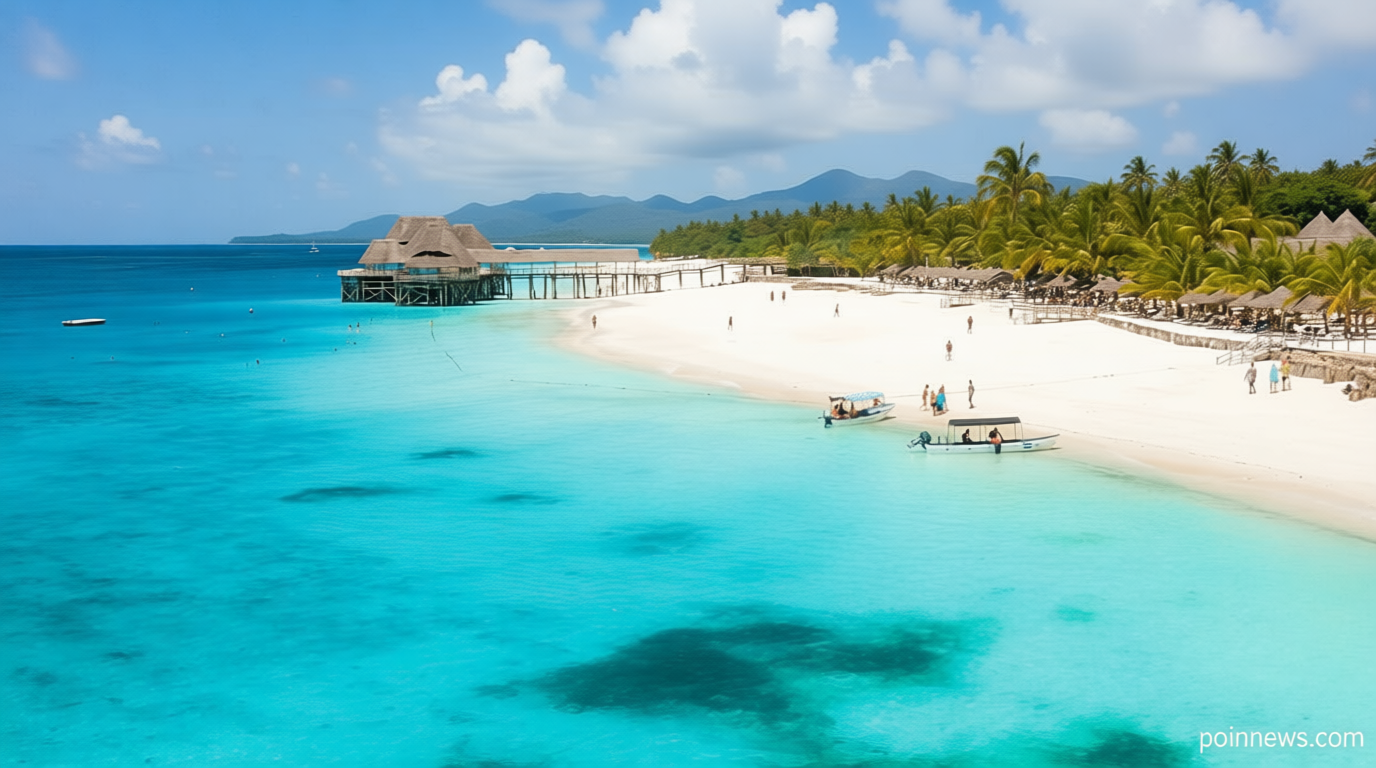
Zanzibar Travel Guide: A Hidden Gem in the Indian Ocean
Why Zanzibar is Gaining Popularity
Poinews.com – Zanzibar, a semi-autonomous island group off Tanzania’s eastern coast, has emerged as a rapidly rising destination in the Indian Ocean. Its charm lies in the harmonious blend of Swahili, Arab, Persian, and European influences, alongside pristine beaches and vibrant marine ecosystems. While long a favorite among backpackers and honeymooners, the archipelago is now drawing more European tourists due to enhanced air routes and a diverse range of luxury and budget accommodations.
Getting There: Air Connections Expand
Travelers can reach Zanzibar via direct flights from European cities operated by carriers such as Air France, KLM, and TUI fly. Italian airlines are also increasing access with a seasonal service from Milan Malpensa to Zanzibar via Kilimanjaro, running from July 14 to October 20. A significant new development for UK visitors is TUI’s winter 2027 plan, introducing direct flights from London Gatwick on Wednesdays and Sundays, from November 3 to March 22. These routes simplify access to the islands’ year-round sunshine.
Where to Stay: From Budget to Luxury
Accommodation in Zanzibar spans a spectrum of styles and budgets. The island’s historic Stone Town offers cozy guesthouses, while its east and north coasts feature high-end resorts. Top-rated options include Meliá Zanzibar, The Mora Zanzibar, and TUI BLUE Bahari Zanzibar, according to Tripadvisor’s traveler rankings. Budget-conscious guests find affordable alternatives in boutique hotels and beach lodges, making Zanzibar a more cost-effective choice compared to destinations like the Maldives or Mauritius.
Exploring Stone Town: A Cultural Hub
Stone Town, a UNESCO World Heritage Site, is a labyrinth of narrow alleys, coral stone architecture, and lively markets. Its rich history is reflected in intricate wooden doors and the legacy of spices that once fueled the island’s global trade. Guided tours of local spice farms reveal the origins of cloves, cinnamon, vanilla, and nutmeg, which shaped Zanzibar’s economic and cultural identity.
“Zanzibar’s unique cultural tapestry, from its historic architecture to its spice heritage, makes it a must-visit for those seeking authenticity,” notes zanzibar.com.
Beaches and Water Activities
For those seeking relaxation, Nungwi and Kendwa offer crystal-clear waters and breathtaking sunsets. The east coast, meanwhile, is a haven for kitesurfers and those preferring tranquil sands. Snorkeling, scuba diving, and dolphin-watching are popular due to the archipelago’s coral reefs and diverse marine life. Adventure seekers might also combine their stay with a safari in Tanzania’s Serengeti or Ngorongoro Conservation Area, which is accessible via short flights from Zanzibar.
Best Time to Visit: Seasonal Insights
Zanzibar’s climate makes it ideal for travel during its dry periods, typically from June to October and December to February. The rainy seasons, known as Masika (April–May) and Vuli (November–December), bring more frequent showers and higher humidity. Visitors should plan accordingly, as the dry months ensure optimal weather for both beach activities and exploring the island’s cultural sites.
“The optimal travel window is during the dry seasons, which provide ideal conditions for sightseeing and water sports,” says zanzibar.com.
Visa and Insurance Requirements
Most European travelers require a visa to enter Zanzibar, as it is part of Tanzania. EVisas can be applied for online, or a single-entry tourist visa is available upon arrival at major airports and ports. The standard tourist visa costs $50. An additional requirement is mandatory inbound travel insurance from the Zanzibar Insurance Corporation, which must be purchased before or upon arrival. The UK’s Foreign, Commonwealth & Development Office warns that visitors without proper insurance may face entry refusal.