Horses, heritage and a new generation of riders
Horses, Heritage and a New Generation of Riders Horses heritage and a new generation - For generations, horses have been a cornerstone of life in Central

Horses, Heritage and a New Generation of Riders
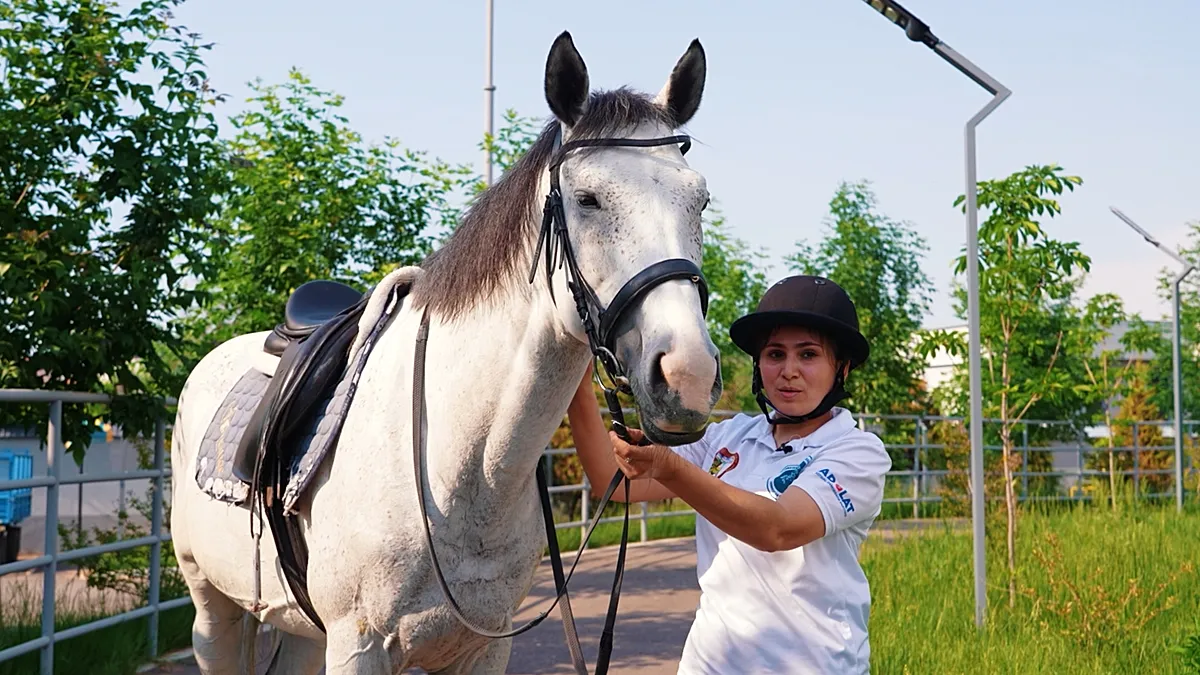
Poinews.com – For generations, horses have been a cornerstone of life in Central Asian communities. They have served as companions to traders traversing the Silk Road, as allies in military campaigns, and as vital tools for navigating harsh terrains. Now, in Uzbekistan, these animals hold a dual role—as symbols of cultural legacy and as catalysts for modern equestrian pursuits.
Reviving the Sport of Polo
Polo, once a royal and warrior pastime in Central Asia, is experiencing a resurgence. While the game has evolved into a global profession, its origins in the region date back centuries. The Uzbek Polo Federation, founded in 2020, has prioritized making the sport accessible to new participants. Across the nation, riding schools now offer lessons that blend traditional skills with contemporary competitions.
“In Uzbekistan, polo is part of our historical heritage,” says Aziz Rustambayev, Chairman of the Polo Federation. “The game spread across the region long before becoming the modern sport it is today.”
Today, eight teams compete nationwide, including women’s squads. National championships are held year-round, and international collaborations are enabling local players to showcase their talents abroad. Shahnoza Sharipova, a national team rider, emphasizes the importance of understanding horses for success in the sport.
“The best way to build a bond with a horse is to offer it a carrot or an apple and gently stroke its neck,” Sharipova explains. “Horses remember people. If you treat them kindly, they will never treat you badly.”
Preserving Traditional Breeds
In Surkhandarya, the Qora Bayir Horse Mastery School is dedicated to safeguarding one of Uzbekistan’s most iconic breeds. Established under the National Guard in 2021, the institution merges breeding programs with rider training and equestrian education. Its mission includes boosting the population of Qora Bayir horses while preparing them for competitive disciplines like polo and show jumping.
“The Qora Bayir horse has deep historical roots in Central Asia,” says Deputy Director Akmal Shermatov. “It is highly adaptable, exceptionally resilient, and capable of thriving in a wide range of environments.”
Unlike European breeds, Qora Bayir horses are renowned for their ability to traverse mountains, deserts, and plains. The school began with just 30 horses and has since expanded its program, now training hundreds of young people under the guidance of seasoned professionals.
Legacy in Daily Life
In Karakalpakstan, equestrian traditions remain deeply embedded in local culture. The Republic’s Equestrian School teaches children in disciplines such as horse racing, ulak-kupkari, and tent pegging. With around 70 students, the school fosters a new wave of riders, many of whom are inspired to compete at higher levels.
“Our ancestors have always relied on horses for survival,” notes Director Renat Joldashev. “They are more than just animals—they are partners in life and legacy.”
As facilities and programs grow, so does the enthusiasm of younger generations. Sharifakhon Ibragimova, a student at the school, recently discovered the thrill of riding. “I feel very comfortable and confident when I take part in it,” she says. “I want to continue practising and compete at major events.”