Barcelona proposes to nearly triple tourist tax on cruise ship passengers to €30 a day
Passenger Tax to €30 Daily Barcelona proposes to nearly triple tourist - Barcelona proposes to nearly triple the tourist tax for cruise ship visitors, aiming

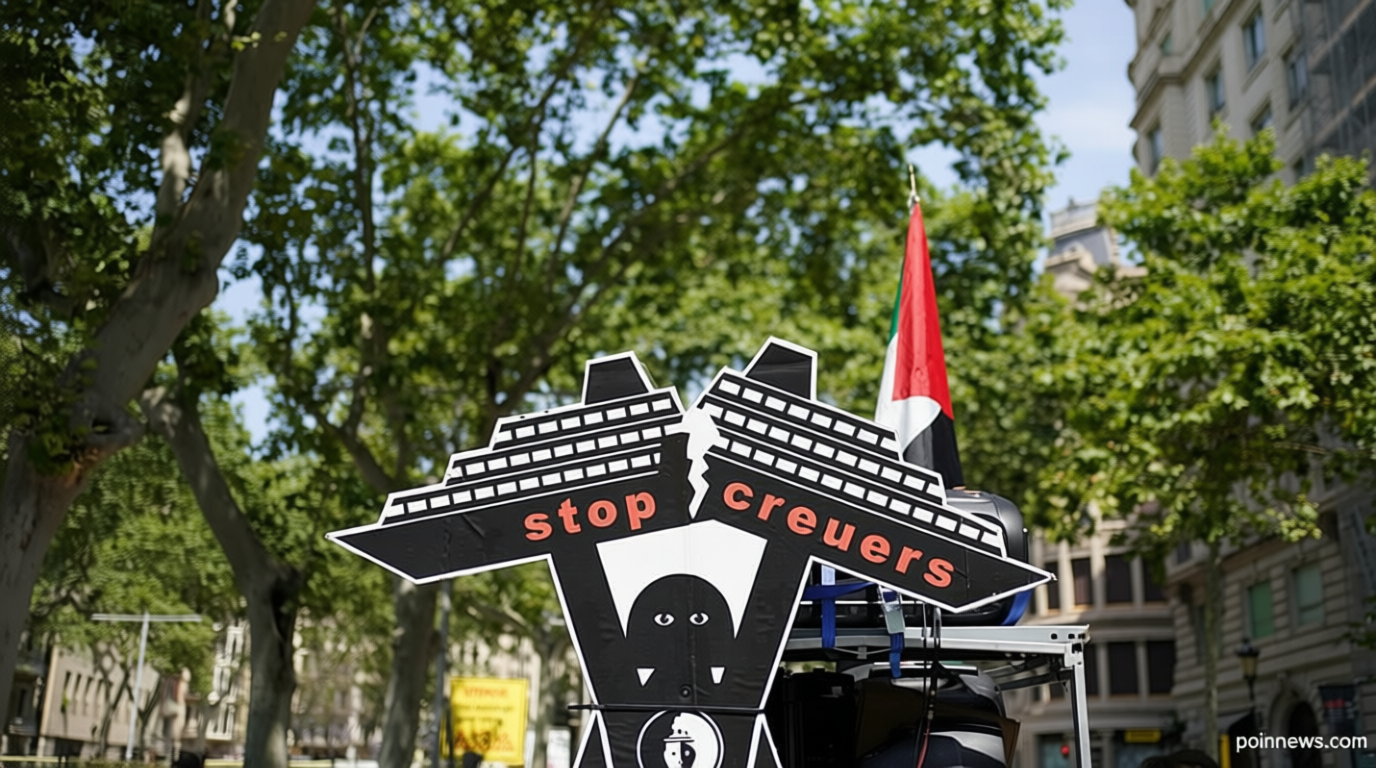
Barcelona Proposes Nearly Tripling Cruise Passenger Tax to €30 Daily
Poinews.com – Barcelona proposes to nearly triple the tourist tax for cruise ship visitors, aiming to impose a daily fee of €30 per passenger. The initiative, backed by the Barcelona City Council, seeks to address the growing strain on local infrastructure and services caused by an influx of cruise tourists. While the plan has sparked mixed reactions, its primary goal is to shift the financial burden onto cruise travelers, ensuring more equitable resource distribution across the city’s tourism sectors. The Catalonia Parliament now faces the critical task of approving the proposal, which could reshape the dynamics of Barcelona’s tourism economy.
Context and Rationale
Currently, cruise passengers are charged a combined €11 for stays under 12 hours, with €5 allocated to the municipal budget and €6 to the regional government. The proposed increase targets short-stay cruisers, who are often criticized for their limited economic contribution compared to longer-term visitors. City officials argue that the higher rate would incentivize cruise companies to invest in longer itineraries, thereby boosting local businesses such as restaurants, hotels, and transportation services. However, critics warn that the change could discourage tourists from choosing Barcelona as a destination, especially against competing Mediterranean ports.
Economic Impact and Concerns
Barcelona’s tourism sector has long relied on cruise ships to drive visitor numbers, with these passengers accounting for 7.5% of the city’s daily footfall during peak season. On average, they spend just 5.7 hours in the city, raising questions about the efficiency of their spending. The proposed tax hike is expected to generate significant revenue for the local government, but its effectiveness remains debated. Supporters claim it could reduce overcrowding in popular areas like La Barceloneta and Gràcia, while opponents fear it might push tourists toward alternative ports such as Palma de Mallorca or Valencia.
“The current tax structure fails to capture the full economic value of short-stay cruisers,” explained an official from the Barcelona City Council. “By nearly tripling the fee, we aim to align the cost with the actual impact these visitors have on our city’s resources and environment.”
The change also reflects broader concerns about over-tourism, which has led to rising property prices, increased waste, and strain on public facilities. Environmental groups have supported the move, citing the need for sustainable tourism practices. However, the tourism industry has raised alarms, arguing that the higher costs could deter cruise tourists and harm Barcelona’s reputation as a premier travel destination. The council maintains that the policy is a necessary step to ensure long-term economic stability and ecological balance.
Industry Response and Future Outlook
Industry leaders have expressed both support and skepticism about the proposed tax increase. Some cruise operators have pledged to adapt by offering extended stays or package deals to offset the higher fees. Others, however, warn that the change could lead to a decline in passenger numbers, particularly during the summer months when cruise tourism peaks. The potential loss of revenue is estimated to be significant, with projections suggesting a drop in annual tourist arrivals by up to 10% if the policy is fully implemented.
“While Barcelona proposes to nearly triple the tax, we must ensure it doesn’t become a barrier to entry for international tourists,” noted a representative from the International Cruise Line Association. “Cruise tourism is a vital component of our industry, and any new charges should be accompanied by clear benefits for both the city and its visitors.”
Despite the debate, the policy has gained traction as cities worldwide grapple with the challenges of mass tourism. Similar measures have been introduced in other European destinations, with mixed outcomes. Barcelona’s move is seen as a bold attempt to balance economic gains with environmental and social responsibilities. As the Catalonia Parliament prepares for deliberation, the final decision will hinge on how effectively the tax can be integrated into the city’s broader tourism strategy.
Long-Term Implications and Adaptation
Barcelona’s proposed tax hike is part of a larger effort to make the city more resilient to the pressures of mass tourism. The plan includes incentives for cruise companies to invest in longer stays, such as discounted rates for extended bookings or partnerships with local businesses to offer curated experiences. These adaptations could help offset the financial impact on passengers while maximizing the economic benefits for the city. However, the success of the policy will depend on how well it aligns with the evolving preferences of travelers in an increasingly competitive market.
“The focus is not just on raising revenue but on creating a sustainable model for tourism,” said a spokesperson for Barcelona’s tourism department. “By nearly tripling the tax, we’re sending a clear message to the industry that we expect more from cruise visitors in terms of spending and responsibility.”
As discussions continue, the city is also exploring complementary measures such as stricter regulations on overnight stays or investments in public infrastructure to accommodate increased foot traffic. These steps could ensure that the tax increase serves its dual purpose of financial sustainability and improved visitor experience. With the final decision looming, Barcelona’s proposal stands as a pivotal moment in the ongoing debate about the future of cruise tourism in the region.