‘Respect the City’: How Dubrovnik is managing overtourism without losing its charm
For nearly ten years, Dubrovnik has been navigating a complex balancing act: maintaining its status as a sought-after destination while preventing visitor

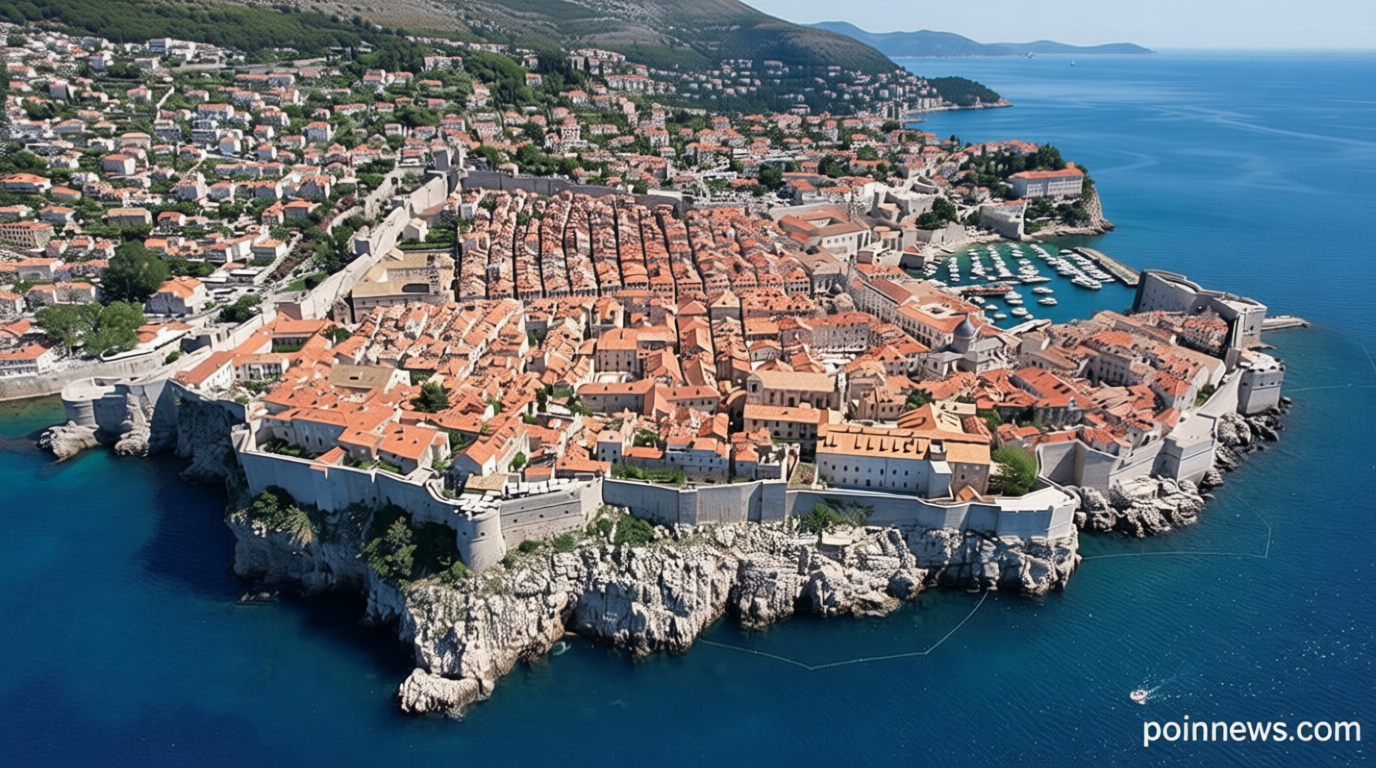
Dubrovnik’s Evolving Approach to Sustainable Tourism
Poinews.com – For nearly ten years, Dubrovnik has been navigating a complex balancing act: maintaining its status as a sought-after destination while preventing visitor numbers from overwhelming the historic city. Rather than simply reacting to crises, municipal authorities have transitioned toward proactive, sustainable management strategies. Early 2026 data reveals remarkable momentum, with approximately 650,000 visitors arriving and two million overnight stays recorded through mid-July alone.
International travelers represent the primary visitor base, with guests from Britain, America, France, Germany, Poland, Ireland, Spain, Canada, and Australia leading the way. The city has simultaneously strengthened its appeal as a domestic Croatian destination. The challenge now lies not in drawing crowds, but in orchestrating growth that honors both cultural heritage and residents’ daily lives.
From Chaos to Coordination
Mato Franković, who has served as Dubrovnik’s mayor since 2017, recalls a period when tourism expansion occurred organically without systematic oversight. “For years, tourism in Dubrovnik wasn’t managed, it simply just ‘happened’ on its own,” he explained. The turning point arrived when multiple cruise vessels—sometimes five or six simultaneously—docked, flooding the streets with day-trippers from surrounding areas.
This realization prompted a fundamental restructuring. “That’s when we realised we needed to manage tourism differently, so we divided it into different sectors,” Franković noted. Today, the mayor emphasizes that success extends beyond raw visitor counts. “Here, it’s not just about the numbers,” he told Euronews Travel. “Also important is how the flow of numbers is spread throughout a day and across the week.”
The Respect the City Initiative
Central to Dubrovnik’s transformation is the “Respect the City” program, introduced in 2017 alongside Franković’s mayoral tenure. The initiative emerged as a direct response to mounting pressure on the UNESCO-protected Old Town, which had become increasingly congested during peak seasons.
“Respect for Dubrovnik is something we ask of everyone: citizens, people working in the city, those who come to enjoy Dubrovnik – this is our message to everyone,” Franković stated.
The 2010s proved particularly challenging for the historic center. Rising cruise traffic, affordable airfare, and the global spotlight generated by HBO’s Game of Thrones created summers of intense congestion. Franković described the situation vividly: “So much so, you could hardly walk or go around to enjoy the city.”
Managing the Cruise Flow
Under the RtC framework, cruise operations face specific limitations designed to distribute visitor pressure more evenly. The port accommodates no more than two vessels simultaneously, carrying a combined maximum of 4,000 passengers. Each cruise call must last at least eight hours, encouraging passengers to explore beyond the immediate historical center.
“We’ve seen that visitors are now choosing to explore more excursions elsewhere,” Franković observed. “Of course, they still visit the Old Town at some point, but the traffic is now not all at the same time, compared to previously when six cruise ships would arrive and dock for just four hours.”
Port Authority statistics indicate cruise tourism remains robust. Projections for 2026 anticipate welcoming over 661,000 cruise passengers across 461 ship calls by year’s end.
Coordinating Day Visitors and Overnight Guests
Beyond maritime traffic, the initiative addresses how day-trippers and extended-stay visitors navigate the city. Coach operators transporting tourists from Bosnia and Herzegovina, Montenegro, and nearby Croatian islands must now secure arrival slots through a dedicated bus webshop platform. This reservation system enables officials to stagger arrivals and modulate capacity based on events and demand patterns.
For travelers remaining longer, the Dubrovnik Pass serves dual purposes as both a sightseeing credential and a visitor management mechanism. The digital pass provides access to museums and public transportation while allowing the city to communicate optimal visiting times for popular sites.
“Because it’s digitalised, we are able to message visitors with the best times to visit attractions, such as the Old City,” Franković explained.