Can travel solve the loneliness epidemic? WeRoad’s co-founder Fabio Bin thinks so
Can Travel Solve the Loneliness Epidemic? Fabio Bin's Vision for Connection Can travel solve the loneliness epidemic?

Can Travel Solve the Loneliness Epidemic? Fabio Bin’s Vision for Connection
Poinews.com – Can travel solve the loneliness epidemic? This question has become increasingly relevant as modern life continues to fragment social bonds. With over 16% of the global population classified as experiencing loneliness by the World Health Organization in 2023, the search for meaningful human interaction has never been more urgent. Fabio Bin, co-founder and CMO of WeRoad, argues that travel offers a powerful antidote to this growing crisis, providing an environment where strangers can become companions and even lifelong friends.
The Loneliness Crisis: A Modern Dilemma
In today’s fast-paced world, loneliness has become a widespread challenge. The rise of digital communication, coupled with busy schedules and remote work, has created social bubbles that isolate individuals. People often feel overwhelmed by the need to maintain constant virtual connections while struggling to form deep, in-person relationships. This phenomenon has led to a surge in interest in social travel initiatives, which aim to bridge the gap between solo travel and meaningful interaction. Bin highlights that the solution lies not in replacing digital connections but in creating opportunities for real-life bonding through shared experiences.
WeRoad’s Approach: Building Communities Through Travel
WeRoad was born from a personal need for connection. Bin and his partner, both in their 30s, found it increasingly difficult to align with friends on shared activities or time. “People’s lives diverge, and modern life complicates finding common ground,” Bin explained. “Even within a group, preferences like hiking versus relaxation can clash, making it tough to match social needs.” This realization led to the development of small-group travel experiences designed to bring together individuals with similar interests and age groups. By creating a shared context for mingling, WeRoad ensures that travelers can explore destinations while fostering authentic relationships.
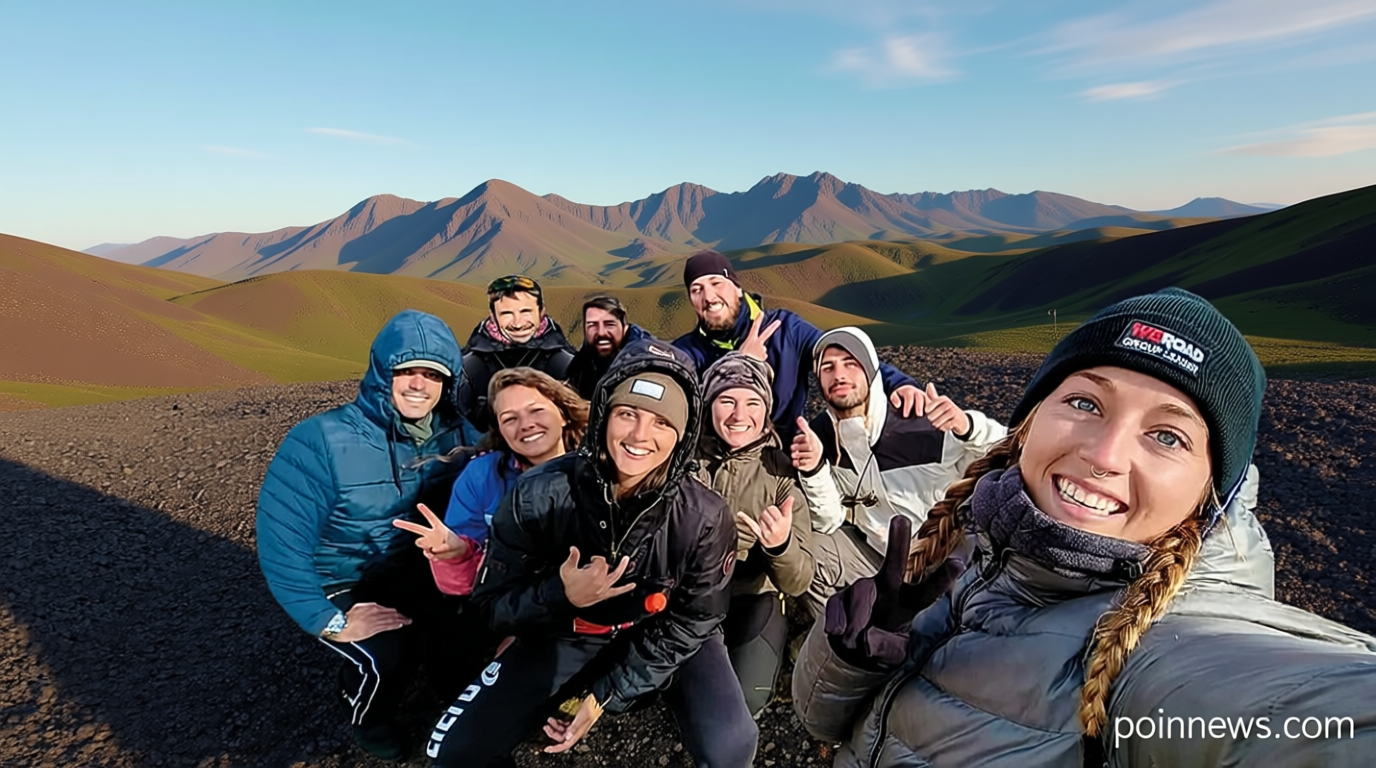
“We organize trips for individuals who don’t know each other before departure. The idea is to create a shared context for mingling while exploring a destination. Participants choose a location—Indonesia, Peru, Iceland, or any other—and meet 15 to 50 strangers from similar age groups. The goal is to travel, experience new places, and build friendships rooted in shared experiences,” Bin said.
WeRoad’s model emphasizes organic relationship-building rather than algorithmic matching. “The real need isn’t just to travel with someone—it’s to form authentic relationships,” Bin added. “After ten days with strangers, bonds develop unexpectedly. It feels like you’ve known them forever, and these connections often last beyond the trip.” This approach has positioned WeRoad as a notable social travel brand in Europe, with a vision to expand globally and offer trips in local languages to ease communication and foster comfort among travelers.
The company’s strategy also addresses the challenges of “dating fatigue” that emerged post-pandemic. Many individuals have become accustomed to connecting through screens, which can lead to shallow interactions. “People become used to staying connected via apps, but when they finally meet, they lack the motivation to engage in real life,” Bin noted. By removing the barriers of digital mediation, WeRoad offers immersive, offline experiences where travelers can engage in deeper conversations and build trust through shared adventures. This aligns with the growing trend of prioritizing authenticity in social connections, as more people seek meaningful interactions over transactional ones.
With operations spanning the UK, Europe, and upcoming ventures in the U.S., WeRoad is capitalizing on the demand for travel that fosters human connection. The platform’s success underscores a shift in how people view travel—not merely as a means of relaxation, but as a tool for emotional and social well-being. As loneliness continues to be recognized as a critical public health issue, Bin’s vision for WeRoad reflects a broader movement toward using travel to combat isolation and create lasting bonds in an increasingly fragmented world.