Rare medieval notebook found in latrine in Paderborn
Rare Medieval Notebook Unearthed in Paderborn Latrine Rare medieval notebook found in latrine - During the excavation of a new administrative building in

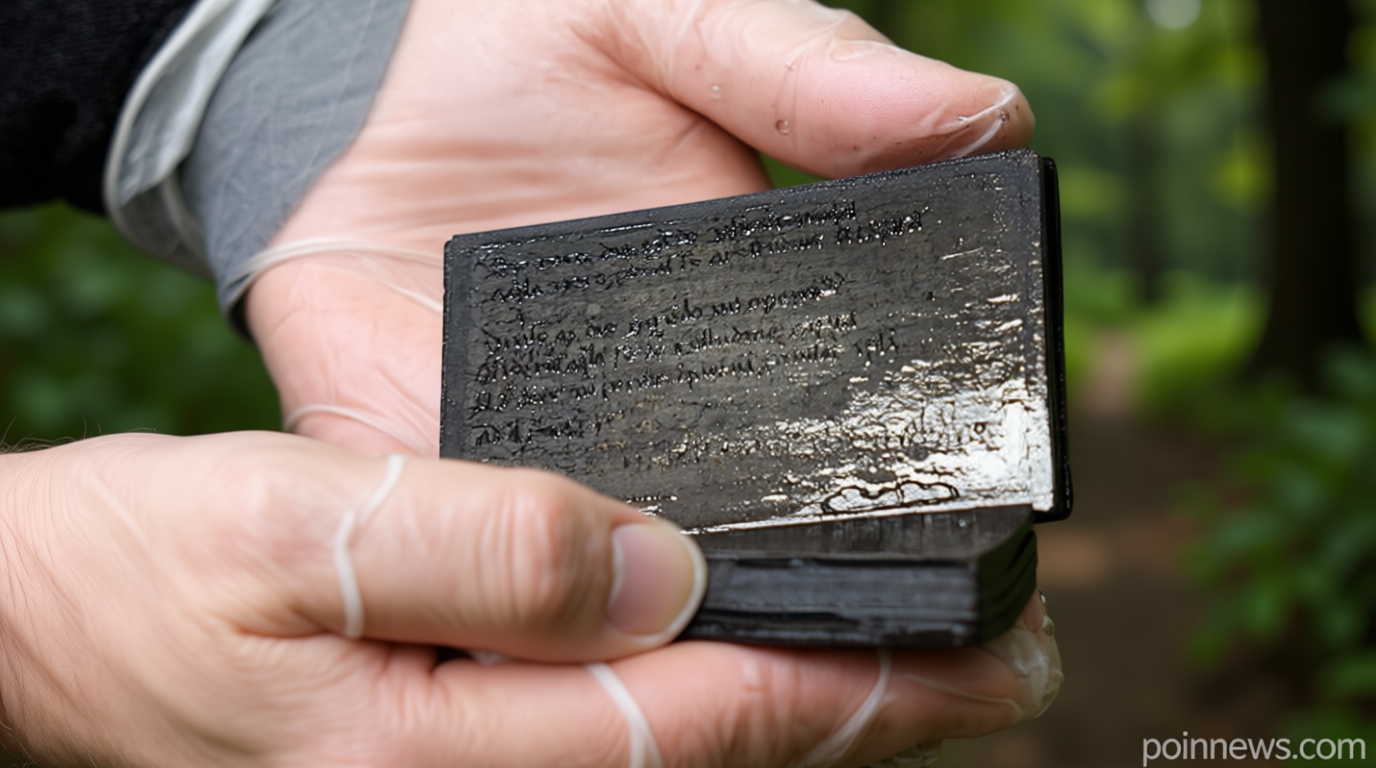
Rare Medieval Notebook Unearthed in Paderborn Latrine
Poinews.com – During the excavation of a new administrative building in Paderborn, North Rhine-Westphalia, archaeologists stumbled upon a remarkable artifact that has sparked renewed interest in medieval history. The focus keyword—a rare medieval notebook found in a latrine—was discovered among five medieval latrines unearthed during the process. This unusual find highlights the unexpected value of seemingly mundane locations in uncovering historical treasures.
The Significance of a Latrine as a Historical Repository
Dr. Barbara Rüschoff-Parzinger, head of cultural affairs at the Regional Association of Westphalia-Lippe (LWL), remarked on the importance of such a location. “Latrines may appear unremarkable, but they often serve as hidden archives for ancient civilizations,” she noted, pointing out that the presence of the notebook in this setting suggests its original owner might have used it for daily record-keeping. The discovery adds a unique dimension to understanding the material culture and intellectual pursuits of medieval Paderborn.
“Unusual as it may sound, latrines are often extremely rich sources of material for archaeologists,” said Rüschoff-Parzinger. “Their sealed, damp environments can preserve items that would otherwise degrade quickly.”
This notebook, preserved under conditions that shielded it from the elements, offers a glimpse into the personal and professional lives of its users. Its presence in a latrine implies that it was either discarded after use or perhaps even used for practical purposes like tracking daily transactions or personal reflections. The artifact’s survival is a testament to the fortuitous combination of materials and environment that safeguarded it through centuries.
Insights from the Notebook’s Design and Construction
The focus keyword—a rare medieval notebook found in a latrine—measures just 10 by 7.5 centimeters, making it a compact yet sophisticated object. Its construction includes wooden tablets coated in wax, encased in a leather binding that features a delicate lily motif. This design suggests that the notebook was crafted for durability and reusability, a common practice in the medieval era where resources were carefully conserved.
“The lily design on the leather case indicates a level of craftsmanship that aligns with the social status of the user,” explained LWL restorer Susanne Bretzel. “Such details were not common in everyday objects, so this notebook likely held special significance.”
The notebook’s ten pages, eight of which are double-sided, are written in Latin, revealing the handwriting of a single individual. The use of wax as a writing medium allowed for repeated use, and the ink, combined with the wooden tablets, has remarkably held up over time. This artifact’s survival provides valuable material for studying medieval literacy, trade, and daily life in Paderborn.
Latrine Context and Social Indicators
Paderborn’s medieval core was home to a mix of affluent residents, traders, and artisans, many of whom had access to education and writing tools. The presence of the notebook in a latrine suggests that its owner, likely a person of means, could afford such a luxury. Additionally, remnants of silk fabric within the latrine hint at the use of refined materials, further supporting the idea that the users were part of a higher social class.
“The combination of materials and the notebook’s condition indicates it belonged to someone with disposable income and a need for record-keeping,” Bretzel added. “This aligns with the broader context of Paderborn’s medieval economy, where trade and administration were central.”
Latrines were not just functional spaces but also repositories for items that fell out of daily use. The focus keyword—a rare medieval notebook found in a latrine—was likely discarded after its purpose was fulfilled, yet it ended up preserved in an environment that protected it from decay. This accidental preservation offers a rare opportunity to study medieval handwriting and the practices of reuse that were common in the era.
Conservation Challenges and Techniques
The conservation of the focus keyword—a rare medieval notebook found in a latrine—requires careful handling to maintain its integrity. Initial assessments revealed that the object was encased in wet soil and barely recognizable until restoration efforts began in Münster. The damp, low-oxygen conditions of the latrine played a critical role in preserving the wax and wooden tablets, but the notebook’s condition also posed challenges for archaeologists and conservators.
“Encased in a lump of wet soil and hardly recognizable at first, the object only became visible during cleaning in our restoration workshop in Münster,” Bretzel recalled. “The process involved gently drying the pages while ensuring the wax remained intact.”
The notebook’s distinct odor, a result of its underground storage, is a vivid reminder of its origins. Despite the strong scent, the pages were tightly pressed, shielding the wax from dirt and damage. This unique preservation method allowed the writing to remain legible, offering a rare window into the thoughts and practices of medieval individuals. The conservation team is now working to decode its content, which could provide new