Europeans are making the most of cheap solar panels – by creating green garden fences
Europeans Embrace Solar Panels in Creative Green Garden Fences Europeans are making the most of cheap solar panels by transforming their garden fences into

Europeans Embrace Solar Panels in Creative Green Garden Fences
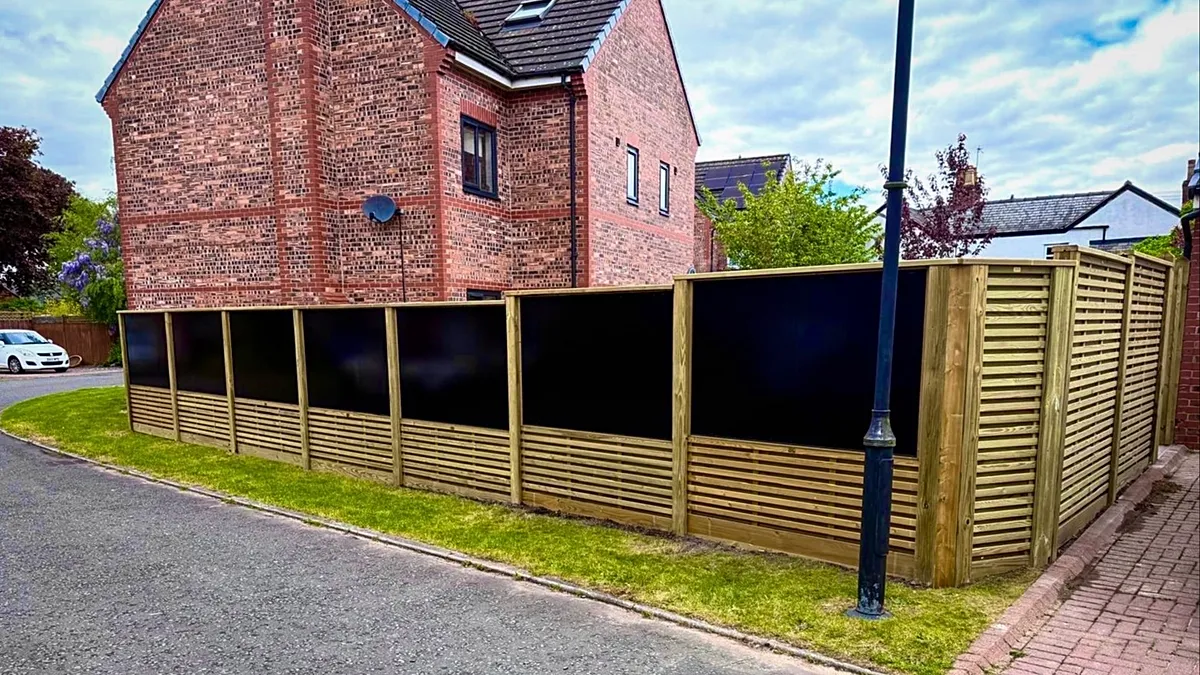
Poinews.com – Europeans are making the most of cheap solar panels by transforming their garden fences into energy-generating installations. As the cost of photovoltaic technology continues to decline, households and businesses across the continent are increasingly adopting innovative methods to maximize renewable energy use. This trend highlights a growing shift toward decentralized power generation, where even small spaces are being repurposed to support sustainability goals. The idea of integrating solar panels into vertical structures like garden fences is gaining traction, offering a practical solution for those with limited roof space or desire for aesthetic appeal.
A Cost-Effective Solution for Energy Efficiency
The affordability of solar panels has made them a viable option for many Europeans, particularly in rural or urban areas where traditional solar setups may not fit. By utilizing existing garden boundaries, these green fences provide an opportunity to harness sunlight without requiring additional land. According to industry reports, such systems are especially beneficial for homes with compact layouts or shaded roofs, as they can generate usable energy even in less-than-ideal conditions. This approach aligns with Europe’s broader strategy to decentralize energy production and reduce reliance on fossil fuels, as highlighted by renewable energy advocates.
“Europeans are making the most of available space by incorporating solar technology into everyday structures like fences,” noted Maguire from Next2Sun. “This not only lowers energy costs but also contributes to the continent’s clean energy transition.”
While rooftop solar panels remain the dominant choice, vertical installations are proving to be a valuable alternative. Companies like Jacksons Fencing in the UK have developed solar-equipped barriers that are both functional and visually integrated with outdoor spaces. These systems eliminate the need for costly scaffolding, making them an attractive option for properties with limited roof area. However, their energy output is generally lower than traditional setups, with a linear metre producing between 100 and 155 watts under optimal conditions. Despite this, they offer a meaningful contribution to reducing household energy consumption, particularly when combined with energy-efficient appliances.
Environmental and Economic Benefits
The environmental impact of solar garden fences is significant, as they help reduce carbon emissions and promote sustainable living. By converting unused boundaries into energy sources, these installations support Europe’s goal of achieving climate neutrality by 2050. Economically, they provide long-term savings for homeowners, with a typical payback period of around eight years. This makes them a competitive option compared to conventional energy solutions, especially in regions where gas imports have surged due to geopolitical tensions. The cumulative effect of widespread adoption could save the continent an estimated €12.8 billion annually, as noted by energy analysts.
Public interest in solar technology has grown substantially since the Middle East conflict disrupted global oil supply chains. In Germany, renewable energy firms like Enpal BV and 1KOMMA5° GmbH reported a 30% and nearly twofold increase in solar panel inquiries, respectively. The UK’s EON also saw a sharp rise in demand, with solar interest surging by 63% in early February 2026. These trends underscore how Europeans are making the most of renewable energy opportunities, even in unconventional settings. As a result, the solar fence concept is now being explored by schools, local authorities, and utilities to advance sustainability initiatives.
Looking ahead, the potential for solar fences extends beyond residential use. In commercial settings such as warehouses and logistics hubs, these systems can power lighting, ventilation, and other low-energy operations. Moreover, they are being tested in urban environments to address space constraints and aesthetic concerns. While challenges like shading and maintenance remain, the integration of solar technology into everyday structures represents a promising step toward a more energy-efficient future. As the continent continues to prioritize green innovation, these dual-purpose fences may become a staple in both rural and urban landscapes.