Forget the Camino de Santiago. Romania’s Via Transilvanica hiking trail is wild, welcoming and quiet
Forget the Camino de Santiago. Romania’s Via Transilvanica Hiking Trail Offers a Wild, Welcoming Escape Forget the Camino de Santiago Romania - Nestled within

Forget the Camino de Santiago. Romania’s Via Transilvanica Hiking Trail Offers a Wild, Welcoming Escape
Poinews.com – Nestled within the Eastern Carpathian Mountains of Romania’s Bukovina region lies Popas la Cosma, a modest yet warm refuge for hikers. The chill of the morning air has slipped through my rain jacket, leaving me shivering, but the sight of a wooden table and benches beneath a small shelter offers a glimmer of hope. As our group gathers under the makeshift cover, we’re greeted by the friendly presence of Shepherd Cosma Crăciuneac and his family, one of the 500 hosts along the Via Transilvanica trail who provide meals or lodging. Their hospitality quickly turns the cold into a shared experience, with a serving of “afinata”—a wild blueberry liqueur—and hearty portions of homemade cheese, salami, and bread.
While the trail stretches 1,600 kilometers across Romania, its true magic lies in the people who sustain it. Tășuleasa Social, a grassroots NGO, conceived the route as a social initiative rather than a tourist venture. With no government or EU funding, the association relied on volunteers, sponsors, and donations to create a path that bridges communities and preserves the environment. The trail passes through 400 villages in 20 distinct cultural regions, earning its name “the path that unites.” Its purpose is to breathe life back into rural areas where emigration has left many communities depopulated.
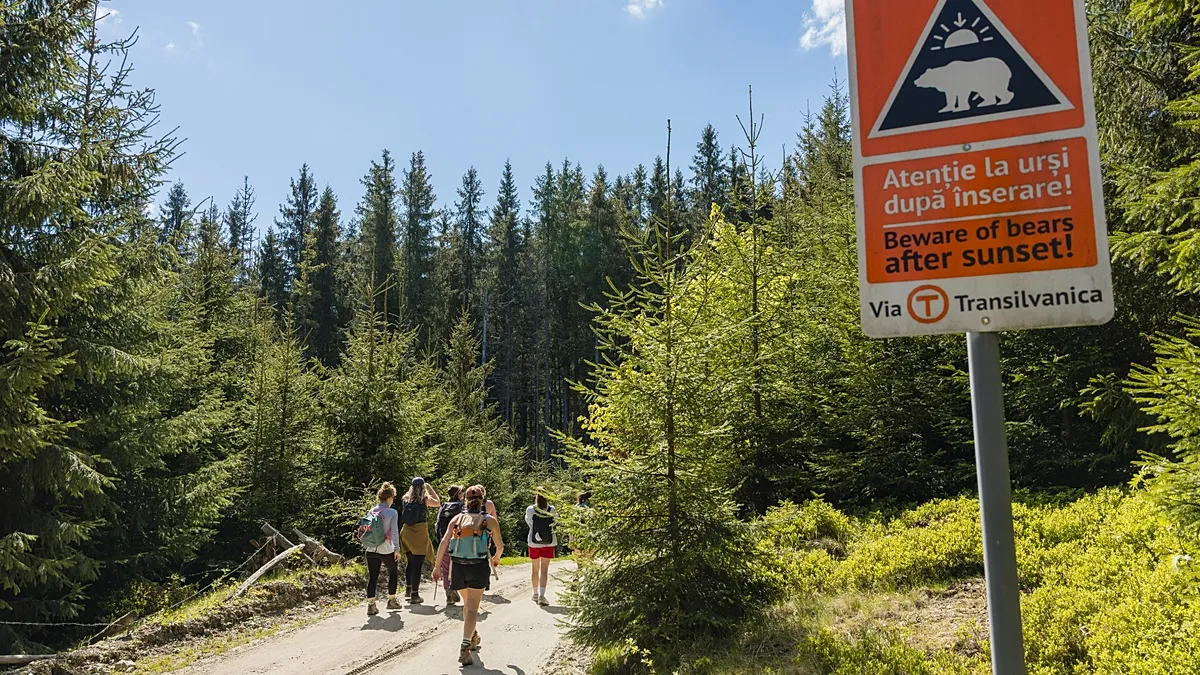
During our journey, we’re treated to lush forests of beech, oak, and spruce, sun-drenched wildflower meadows, and encounters with nature’s creatures—birds, butterflies, lizards, and even snakes. The route also features orange T signs marking the path, alongside bear warnings in the evenings. Though we avoid a close encounter with the bears, the presence of horses pulling carts adds to the rustic charm. As we move through the northern stretches, guided by Intrepid Travel, we’re introduced to the trail’s less-traveled sections, some of which Iulian Gabor, a Tășuleasa Social volunteer, calls breathtaking.
Community and Culture at the Heart of the Trail
The Via Transilvanica continues to evolve. In 2026, the association is revitalizing parts of the Bukovina region, repairing damaged sections and rerouting segments to improve accessibility. A 200km extension now connects the trail to Brașov, a historic Transylvanian town. These updates reflect the project’s commitment to sustainability and community engagement. At the headquarters near Bistrița, surrounded by mountain meadows, hikers can rest, eat, and meet volunteers who’ve made the trail their mission.
“It was never a touristic project. It has always been about volunteering and young people, about doing something meaningful for the community,” says Alin Ușeriu, president of Tășuleasa Social.
Meals along the trail are far from standard rehydrated rations. Each day brings fresh delights, such as paprika-infused cheese at Gigi Ursu Chalet or savory cabbage rolls stuffed with minced meat at La Moara Bucovina restaurant. These stops aren’t just about sustenance—they’re moments of connection, where hosts share stories and a splash of afinata, the wild blueberry liqueur, becomes a symbol of shared joy. Hikers also collect stamps in their travel books at over 50 locations, including shops, cultural sites, and guesthouses, marking their progress through the route’s stages.
For those seeking cultural immersion, the Bukovina segment of Via Transilvanica is a treasure trove. We visit two UNESCO-listed painted monasteries—Sucevița and Moldovița—where the artistry of the past meets the vitality of the present. The trail’s journey is as much about discovering Romania’s heritage as it is about exploring its natural beauty, offering a unique blend of adventure and tradition that sets it apart from more commercialized hiking routes.