From ruin to restoration: Byzantine Greek Monastery becomes ‘Art Reliquary’ for spiritual works
From Ruin to Restoration: A Byzantine Monastery Reborn as an Art Reliquary From ruin to restoration - Nestled on the Aegean island of Andros, the Holy

From Ruin to Restoration: A Byzantine Monastery Reborn as an Art Reliquary
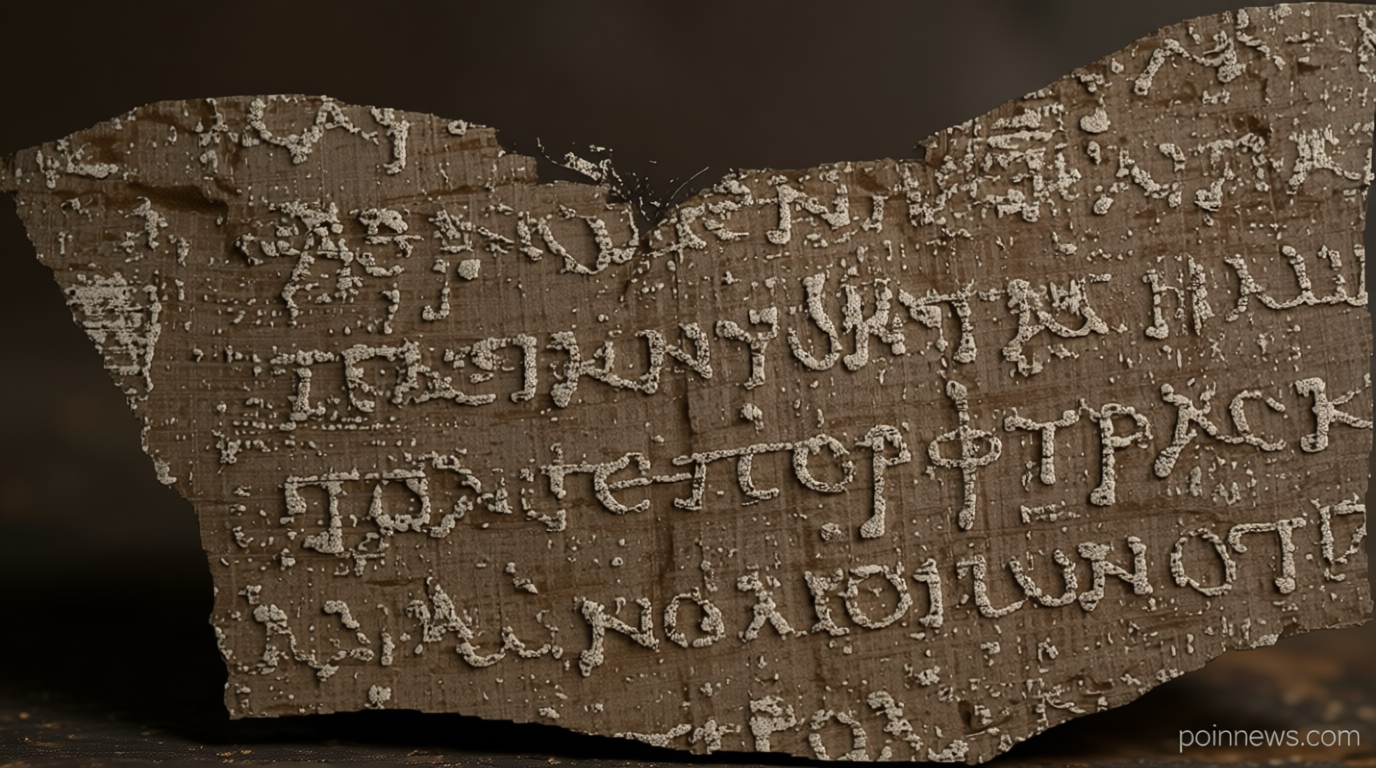
Poinews.com – Nestled on the Aegean island of Andros, the Holy Monastery of Panachrantos and Saint Panteleimon has undergone a remarkable transformation from a forgotten ruin to a cultural beacon of spiritual and artistic expression. This revival, centered around the focus keyword “from ruin to restoration,” highlights the enduring power of heritage and creativity to bridge centuries. Once a symbol of abandonment, the monastery now serves as an art relicary, housing both sacred relics and contemporary masterpieces, offering a unique fusion of history and modernity.
Historic Foundations and Resilient Legacy
Originally constructed in 961 AD by Nikephoros Phokas, the monastery was born from the triumphs of Byzantine military campaigns. Situated atop Mount Gerakones at an elevation of 600 meters, its location was strategic, both for spiritual retreat and defense. The site endured centuries of decay, becoming a forgotten relic until recent efforts breathed new life into its ancient walls. The restoration project, a testament to “from ruin to restoration,” not only revived the physical structure but also rekindled its spiritual purpose.
A Sanctuary of Sacred Art and Devotion
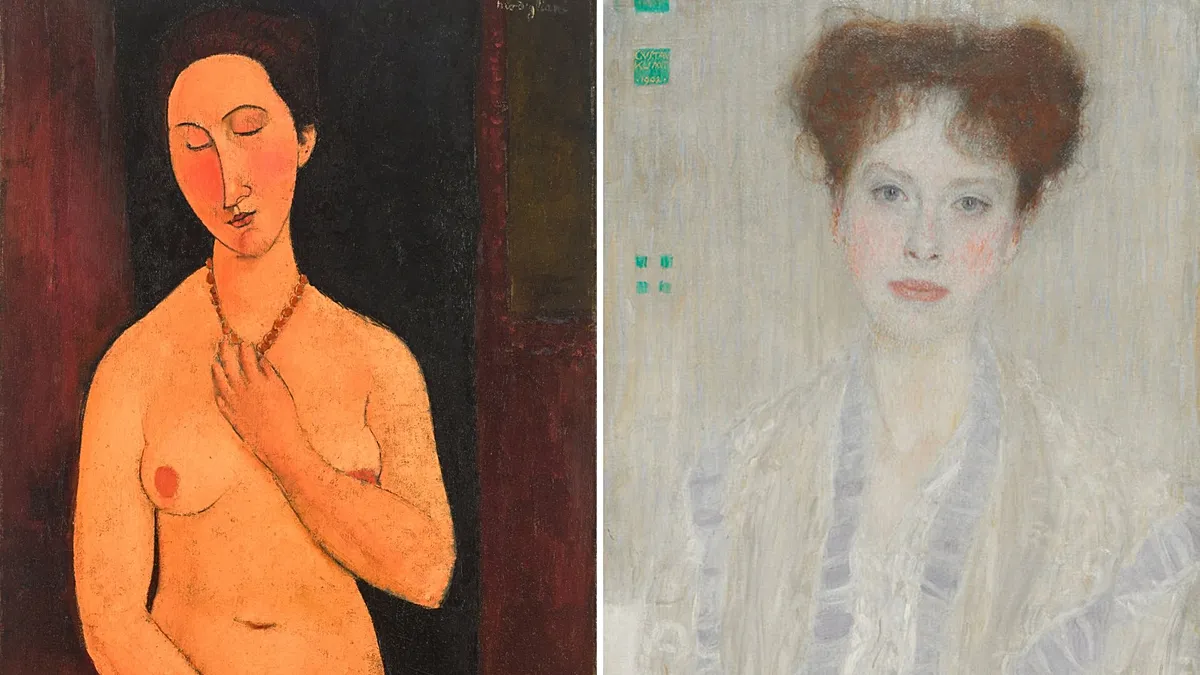
Today, the monastery’s restored tower functions as “The Art Treasury – A Gallery Dedicated to Spirituality and Contemporary Creation,” a space where artistic innovation meets religious tradition. This initiative, spearheaded by painter Christos Kehayioglou, has transformed the site into a living museum of faith and creativity. Among the treasures are the venerated icon of the Virgin Mary, believed to have been painted by Saint Luke the Evangelist, and the holy skull of Saint Panteleimon, which attracts pilgrims and art lovers alike. The fusion of these elements underscores the ongoing journey of “from ruin to restoration.”
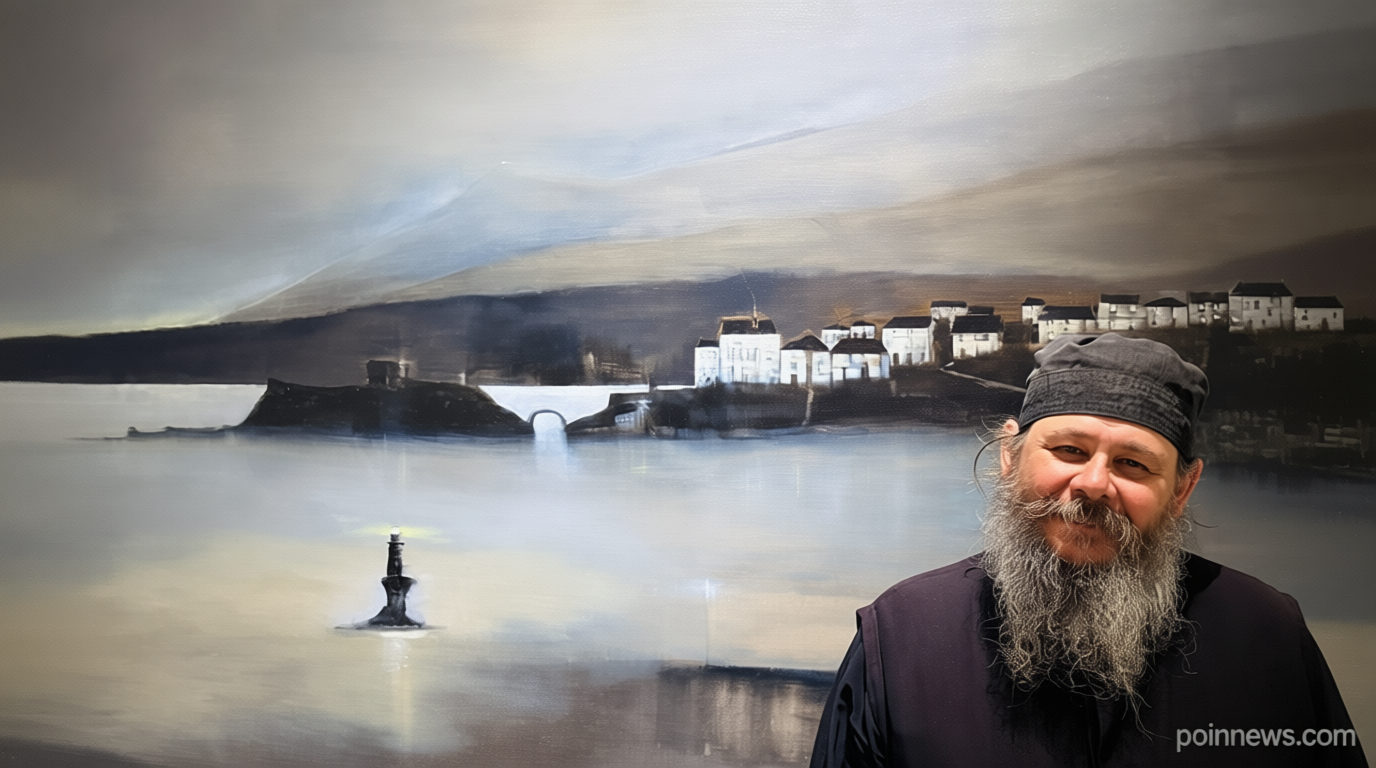
“When I first arrived, the monastery was in ruins. There were no rooms, no dining hall, and no kitchen. Thanks be to God, with the help of many people and a generous shipowner, we managed to restore it. Today, it is beautiful and well cared for,” shared Elder Evdokimos, the abbot who has lived at the site for seven decades. His words reflect the collective effort that turned a desolate place into a thriving hub of spiritual and artistic exchange.
Reviving Tradition Through Modern Expression
Abbot Evdokimos described the monastery’s evolution from a place of solitude to a dynamic center of community engagement. In its early years, the site functioned much like a hospital, providing care and solace to those seeking healing through faith. This historical role, now reimagined, aligns with the project’s vision of “from ruin to restoration” as a means to honor the past while embracing the present. The renewed space continues to serve as a refuge, blending monastic traditions with contemporary art to create a new form of spiritual discourse.
Artists and Relics in Dialogue
Under the guidance of Father Philaretos, the monastery’s artistic program aims to foster a dialogue between the Church and modern creators. “Art and religion have always been closely connected,” he explained to Euronews. “Throughout history, faith traditions have used the artistic expressions of their time to communicate divine messages.” The gallery currently features approximately 60 works by Greek artists, including Eos Angeli, Yannis Moralis, Christos Bokoros, and Alekos Fassianos, who infuse historical reverence with contemporary creativity. This curation ensures that the monastery remains a vibrant platform for spiritual reflection and artistic exploration.
A Cultural Crossroads for the Future
The monastery’s transformation into an art reliquary represents more than just a physical restoration—it symbolizes a cultural renaissance. By integrating sacred relics with modern art, the project redefines the space as a bridge between the ancient and the evolving. Visitors can now experience the monastery not only as a place of worship but also as a gallery where art and faith coexist. This dual role has elevated the site to a key destination for those interested in both Byzantine history and the role of art in spiritual practice. The success of “from ruin to restoration” on Andros underscores the potential for similar projects to revitalize heritage sites globally.