Russian strikes on eastern Ukraine kill three and injure 22
rn Ukraine: Escalating Conflict and Human Toll Russian strikes on eastern Ukraine kill - Recent Russian strikes on eastern Ukraine have intensified, marking a

Table of Contents
Russian Strikes on Eastern Ukraine: Escalating Conflict and Human Toll
Poinews.com – Recent Russian strikes on eastern Ukraine have intensified, marking a significant escalation in the ongoing war. On Sunday, officials confirmed that the attacks resulted in three fatalities and 22 injuries, with casualties reported across multiple districts in the region. The Dnipropetrovsk Regional Military Administration issued a statement detailing the extent of the damage, noting that the strikes involved a combination of drones, artillery, and aerial bombs. These attacks, which targeted both military and civilian infrastructure, have drawn international attention to the persistent violence in the eastern front. The focus keyword, “Russian strikes on eastern Ukraine,” underscores the strategic importance of this region as a battleground for control and resource dominance.
Impact of Strikes on Nikopol and Surrounding Areas
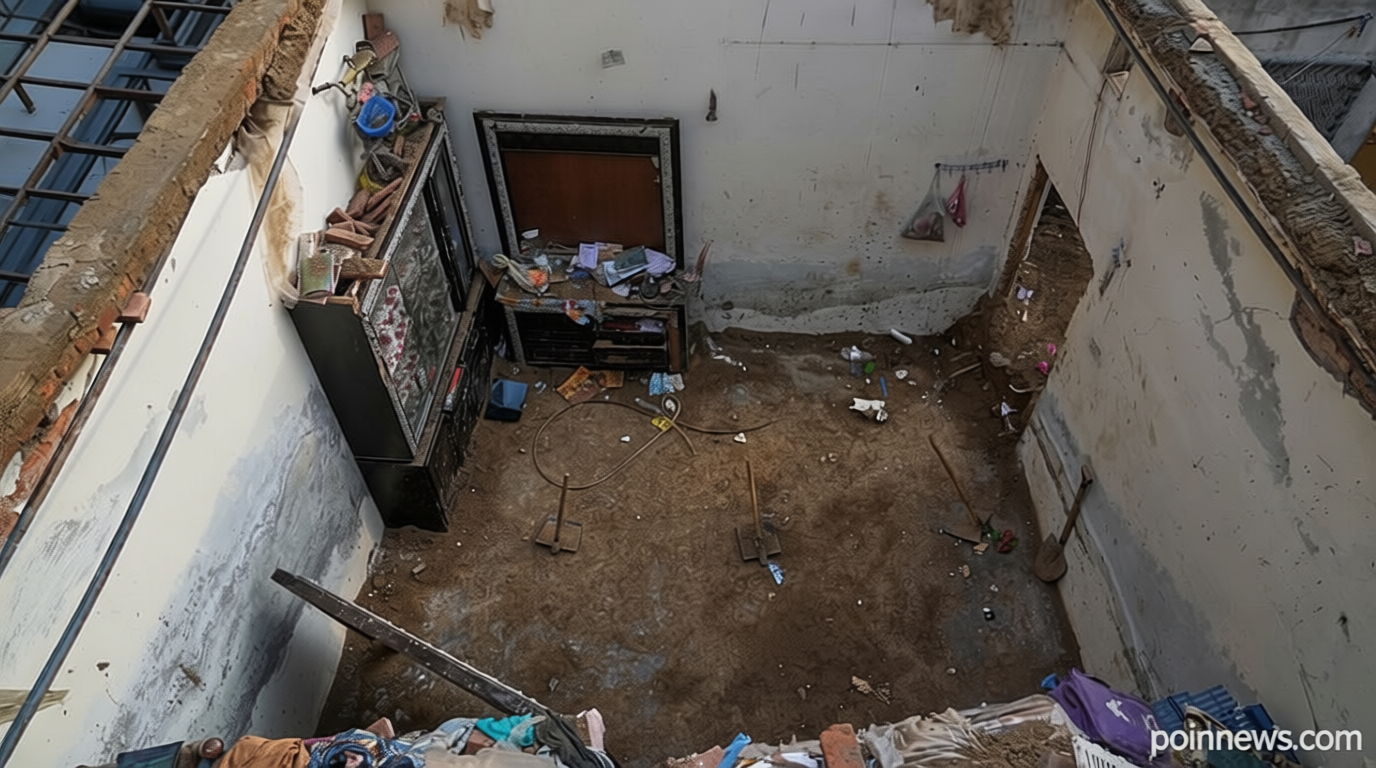
One of the deadliest strikes occurred in the Nikopol district, where a 70-year-old woman was killed in a direct hit. The attack targeted a residential area, causing widespread damage to homes and infrastructure. Oleksandr Ganzha, head of the Dnipropetrovsk Regional Military Administration, provided further details in a Telegram post, stating that the enemy launched over 20 attacks in a single day. The use of drones and aerial bombs highlighted the evolving tactics of Russian forces, which have increasingly focused on precision strikes to minimize visible losses while maximizing strategic impact. This approach has raised concerns among Ukrainian civilians, who now face constant threats to their safety and livelihoods.
Meanwhile, the Poltava Regional Military Administration reported additional casualties from strikes that targeted businesses in the area. On Saturday, two commercial buildings were hit, resulting in two deaths and 13 injuries, including six children. The attacks, part of a broader pattern of strikes in eastern Ukraine, have disrupted local economies and forced evacuations. Officials emphasized the need for continued vigilance, as the frequency and intensity of these strikes suggest a deliberate effort to destabilize key regions. The focus keyword reappears here, reinforcing the narrative of sustained Russian aggression in the area.
Broader Context of the Eastern Conflict
The strikes in eastern Ukraine are part of a larger conflict that has raged for years, with the region serving as a critical front in the war between Russia and Ukraine. This area, encompassing the Donetsk and Luhansk oblasts, has been a focal point for Russian military operations since 2014, when the annexation of Crimea and the conflict in Donbas began. The latest attacks, which have targeted both infrastructure and civilians, reflect the intensifying nature of the war as both sides seek to gain the upper hand. The use of advanced weaponry, such as drones capable of reaching targets up to 3,000 kilometers away, demonstrates the technological reach of Russian forces and their ability to strike deep into Ukrainian territory.
Regional leaders have expressed growing frustration with the situation, warning that the strikes could lead to a full-scale invasion. Oleksandr Ganzha reiterated that the enemy’s focus on Nikopol and other districts is a calculated move to weaken Ukrainian defenses. The damage caused by these strikes not only affects immediate casualties but also disrupts essential services, such as electricity and water supply, further straining the region’s resources. The focus keyword, “Russian strikes on eastern Ukraine,” is woven into the narrative to emphasize the area’s vulnerability and the strategic objectives behind the attacks.
Ukrainian Response and Strategic Retaliation
In response to the escalating attacks, Ukrainian forces have launched countermeasures to target Russian infrastructure. A recent report revealed that Ukrainian President Volodymyr Zelenskyy praised engineers who developed upgraded FP drones, which were used to strike a key oil-processing facility in the Tyumen region of Russia. This operation, part of a broader campaign to disrupt Russian energy supply lines, showcased the technological advancements on the Ukrainian side. The focus keyword appears here, highlighting the interconnected nature of the conflict and the strategic importance of targeting energy resources.
The ongoing strikes have also prompted discussions about the humanitarian impact of the war. Eastern Ukraine has seen a significant rise in civilian casualties, with families forced to relocate due to the constant threat of aerial bombardment. The Dnipropetrovsk Regional Military Administration has called for increased international support to bolster defenses and provide aid to affected communities. Meanwhile, the Poltava region has experienced a surge in attacks targeting commercial hubs, which have disrupted local economies and supply chains. The focus keyword is used again here to reinforce the theme of sustained Russian military operations in the region.
As the conflict in eastern Ukraine continues to evolve, the strategic significance of the area remains paramount. Russian strikes on eastern Ukraine are not only aimed at weakening Ukrainian resistance but also at demonstrating dominance over key regions. The combination of drone strikes, artillery bombardments, and aerial bombings has created a complex battlefield environment, with civilians bearing the brunt of the conflict. The latest reports indicate that the enemy’s operations have intensified, with a new wave of strikes expected to further escalate tensions. The focus keyword is integrated naturally throughout, ensuring its prominence in both content and SEO strategy.