Rare medieval notebook found in Paderborn latrine
ne Rare medieval notebook found in Paderborn - A remarkable discovery has brought attention to a rare medieval notebook unearthed in a Paderborn latrine

Rare medieval notebook found in Paderborn latrine
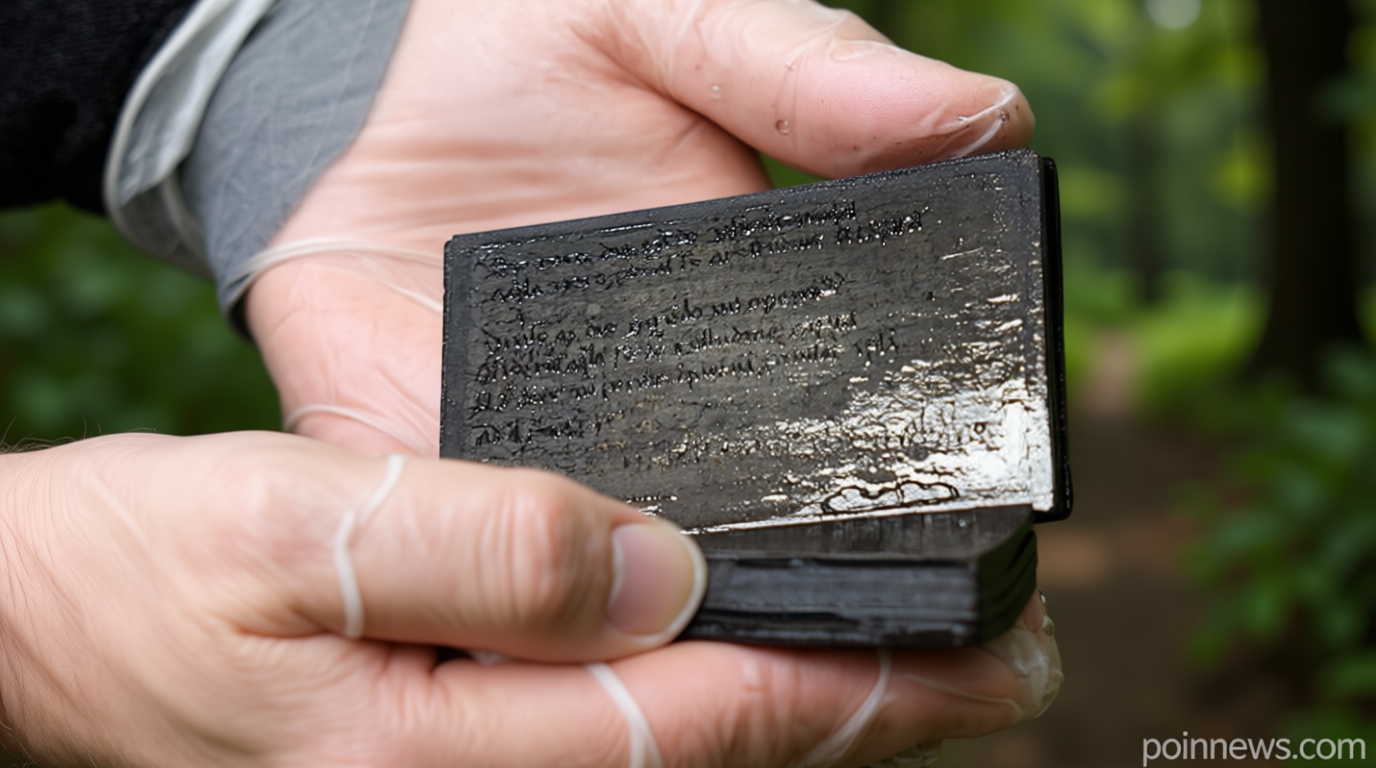
Poinews.com – A remarkable discovery has brought attention to a rare medieval notebook unearthed in a Paderborn latrine, shedding new light on the city’s medieval past. The find, made during the construction of a new administrative building in Paderborn, a historic city in the North Rhine-Westphalia region of Germany, was located within one of several medieval latrines exposed during the excavation. This discovery is not only significant for its rarity but also for the insights it provides into the lives of medieval individuals who may have used it. Dr. Barbara Rüschoff-Parzinger, director of cultural affairs at the regional association of Westphalia-Lippe (LWL), emphasized the unexpected value of such humble locations, stating, “Unusual as it may sound, latrines are often extremely rich sources of finds for archaeologists.” The Rare medieval notebook found in Paderborn is believed to date back approximately 700 to 800 years, making it a rare artifact from the late medieval period.
Structure and Composition
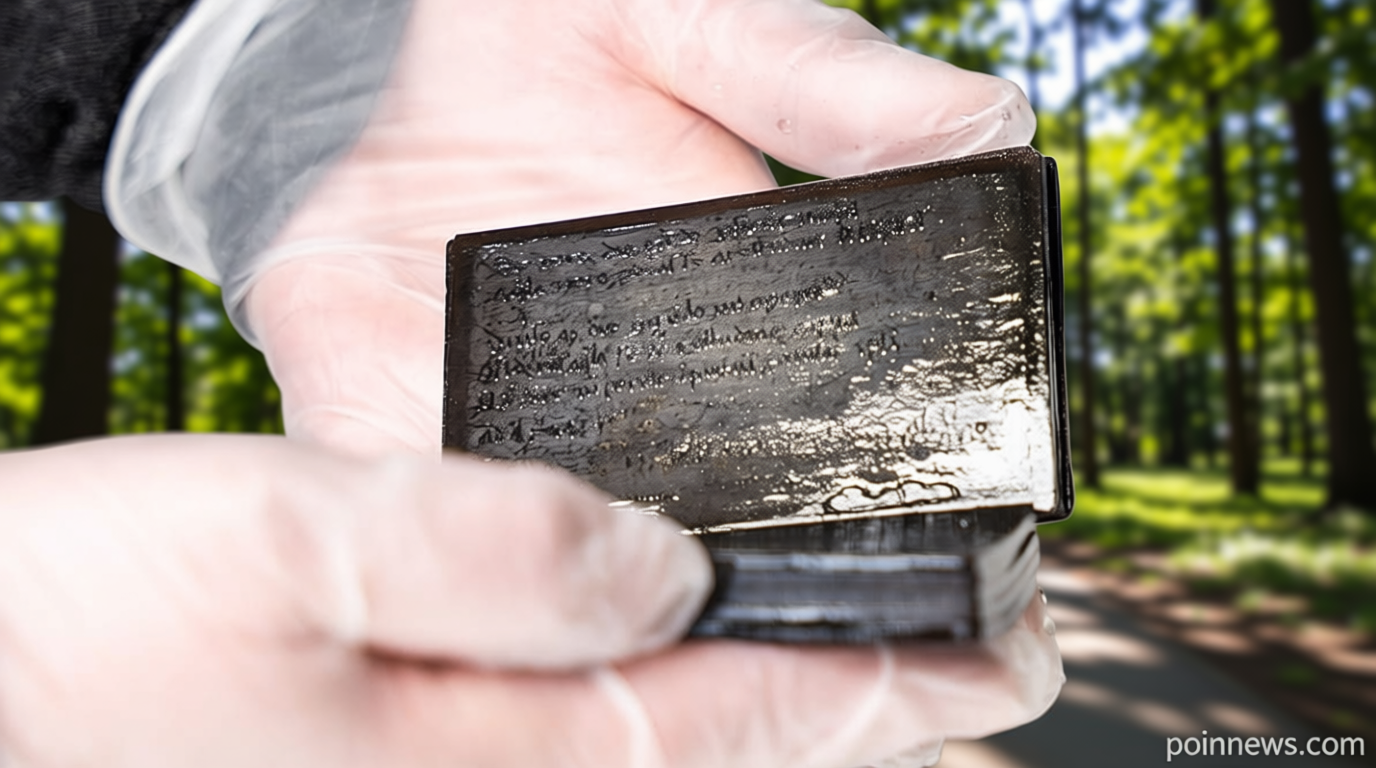
The Rare medieval notebook found in Paderborn is a compact yet intricately crafted object, measuring just 10 by 7.5 centimetres. Its construction features wooden tablets covered in wax, encased in a leather binding embellished with a lily pattern, a symbol often associated with religious or aristocratic significance. During the Middle Ages, scribes used a stylus to inscribe notes onto the wax surface, which could be wiped clean and reused for multiple entries. The notebook contains ten pages, with eight of them bearing written content on both sides, indicating its potential use for a variety of purposes—personal notes, business records, or even religious texts. The material’s durability, combined with the design that allowed for reusability, underscores the practicality of such objects in a time when paper was a luxury.
Historical Context
Paderborn’s medieval central area was a hub of wealth and trade, inhabited by citizens who were among the few in society with literacy skills. The presence of the Rare medieval notebook found in Paderborn within a latrine suggests that it may have belonged to an individual of considerable status, as such artifacts were not common among the general population. Among the other items discovered in the latrine were fragments of silk fabric, which archaeologists speculate may have been used as toilet paper, reflecting the sophistication of daily life in the region. This unique location preserved the notebook from decay, a rarity for objects found in such environments, offering an invaluable glimpse into the intellectual activities of medieval Paderborn.
Preservation and Initial Observations
The Rare medieval notebook found in Paderborn was initially encased in a clump of wet earth, making it nearly unrecognizable to the naked eye. It was only during the meticulous cleaning process in the restoration workshop in Münster that its true form emerged. The notebook retained a distinctly unpleasant odor, a sensory reminder of its environment, yet its condition remained remarkably intact. The tightly packed pages shielded the wax layers from contamination and physical damage, allowing the text to remain legible despite centuries of exposure. This preservation has sparked excitement among historians, as it provides a rare opportunity to study a medieval document in near-original state.
Conservation and Analysis
Conservators at the LWL are now working to stabilize the Rare medieval notebook found in Paderborn, with the process expected to take up to a year. During this time, scientists will analyze the materials, including the wax, possible resin, pigments, and the type of wood used. Organic components, such as the wax and pigments, are currently stored in distilled water to maintain their integrity. Once the conservation is complete, researchers will aim to decode the content of the notes, offering a deeper understanding of medieval daily life, communication practices, and the social roles of literate individuals. The notebook’s survival is a testament to the conditions that allowed such artifacts to endure, and its study could provide new perspectives on the cultural and intellectual landscape of Paderborn during the late medieval period.
Content and Insights
The notes within the Rare medieval notebook found in Paderborn are expected to reveal a wealth of information about the city’s medieval inhabitants. While the exact content remains to be fully deciphered, preliminary examinations suggest that the notebook may have been used for a variety of purposes, from personal correspondence to business records. The presence of multiple entries on each page indicates its frequent use, possibly by a merchant, scholar, or nobleman. Such findings could help historians reconstruct the routines, aspirations, and challenges of individuals who lived in Paderborn during the 13th to 14th centuries. Additionally, the notebook’s design and materials may provide clues about the technological advancements of the time and the cultural exchange that influenced Paderborn’s development.
Future Research and Exhibitions
As the conservation process continues, the Rare medieval notebook found in Paderborn