Pope Leo XIV at World Food Programme: “conflicts are ‘fed’ more readily than people are nourished”
' More Readily Than People are Nourished" Pope Leo XIV at World Food - Pope Leo XIV and the World Food Programme (WFP) convened on June 22, 2026, in Rome to

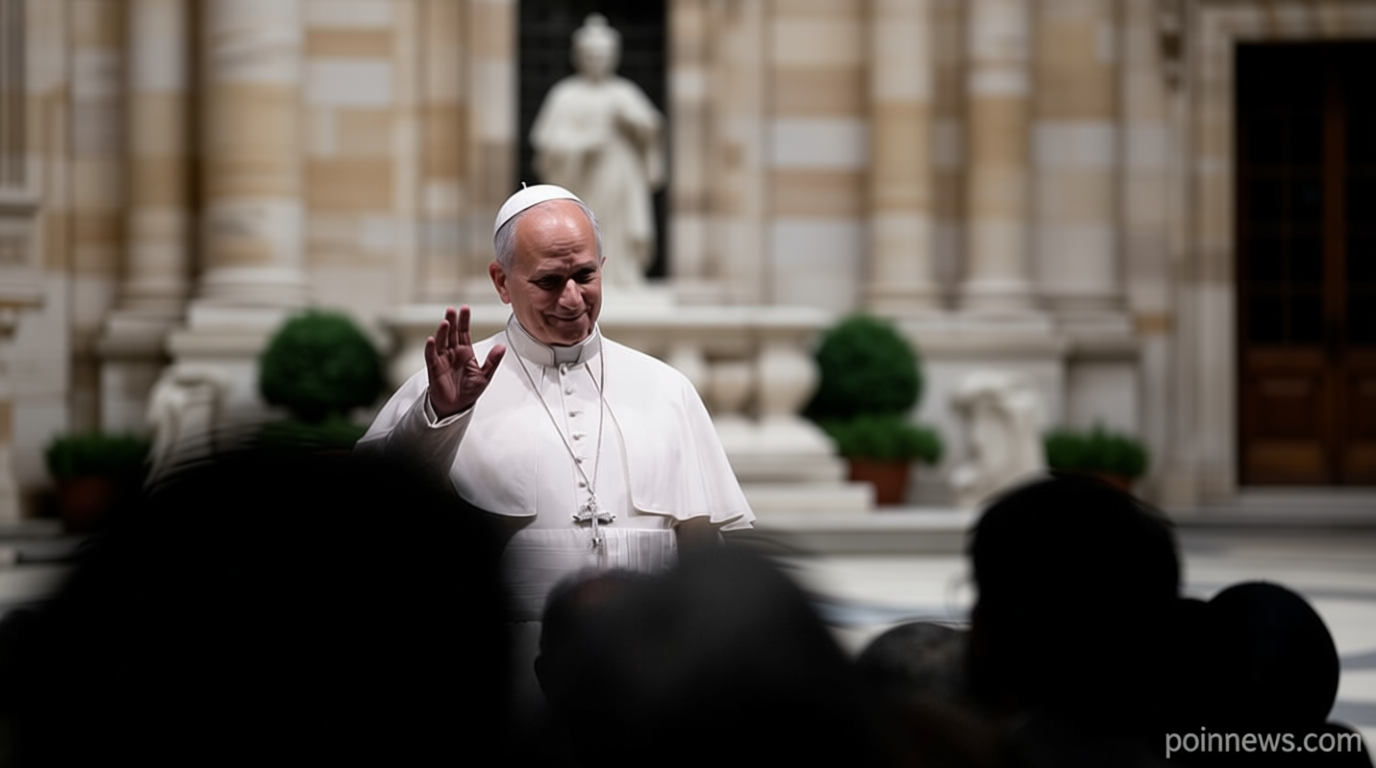
Table of Contents
Pope Leo XIV at World Food Programme: “Conflicts are ‘Fed’ More Readily Than People are Nourished”
Poinews.com – Pope Leo XIV and the World Food Programme (WFP) convened on June 22, 2026, in Rome to address the pressing issue of global hunger. During the event, the Pope underscored the critical importance of nourishing populations, especially in conflict zones, while calling attention to how political and economic systems often prioritize conflict resolution over sustainable food security. His remarks highlighted the interconnectedness between conflict and hunger, urging a reevaluation of how resources are allocated to meet human needs.
The Urgency of Addressing Hunger in Conflict Zones
Speaking at the WFP headquarters, Pope Leo XIV emphasized that conflict is not only a cause of hunger but also a factor that exacerbates it. He stated, “Conflicts are fed more readily than people are nourished,” a phrase that encapsulates the observation that the international community frequently allocates more resources to military interventions than to long-term food programs. This imbalance, he argued, perpetuates cycles of poverty and instability, leaving vulnerable populations without access to basic sustenance.
The Pope praised the WFP’s efforts in delivering emergency food aid, particularly in regions affected by war and displacement. He acknowledged the organization’s role in mitigating suffering during crises, but also called for a shift in focus toward preventative measures that address the root causes of hunger. “Food aid is essential, but it must be paired with systemic changes to ensure that no one is left behind,” he said, stressing the need for a holistic approach to global food challenges.
The Structural Causes of Hunger and Conflict
Pope Leo XIV and the World Food Programme explored the structural factors that sustain both conflict and food insecurity. He pointed out that geopolitical rivalries, economic sanctions, and trade disputes often disrupt food supply chains, diverting resources away from humanitarian needs. “When conflicts are fueled by ideological agendas, the result is not just violence, but also the deliberate undernourishment of entire communities,” the Pope noted, drawing attention to the moral implications of such systemic neglect.
He further critiqued the tendency to view hunger as a temporary crisis rather than a chronic condition. “In many regions, food insecurity is a persistent reality, not an isolated incident,” he explained. This perspective aligns with the WFP’s own findings, which reveal that millions of people face chronic malnutrition due to factors like climate change, inequality, and weak governance. The Pope urged policymakers to prioritize food security as a cornerstone of peacebuilding, arguing that without addressing hunger, conflicts will continue to thrive.
The Pope also highlighted the role of multinational corporations in shaping food distribution. “When food is treated as a commodity, it becomes a tool for power rather than a right for survival,” he warned. This sentiment resonated with WFP officials, who noted that market-driven policies often neglect the needs of low-income populations. By emphasizing the need to resist the commodification of basic needs, Pope Leo XIV and the World Food Programme called for a unified global strategy to ensure equitable access to food.
Implications for Global Policy and Collaboration
Leo XIV’s remarks sparked a renewed dialogue on the intersection of conflict and food security. He urged the international community to integrate hunger prevention into conflict resolution frameworks, suggesting that food programs should be central to peace agreements. “No peace can last if people are hungry,” he asserted, underscoring the importance of addressing hunger as a foundational step toward stability.
The World Food Programme echoed this sentiment, emphasizing the need for cross-sector collaboration to tackle food insecurity comprehensively. With Pope Leo XIV and the World Food Programme advocating for a shift in priorities, the message is clear: global leaders must prioritize long-term solutions that nourish people rather than merely responding to crises. This approach would not only alleviate suffering but also prevent conflicts from arising in the first place.
As the Pope concluded his remarks, he urged governments and organizations to commit to sustained investment in food programs. “We cannot afford to see conflicts fed while people go hungry,” he said, calling for a global commitment to transform how food security is addressed in conflict zones. His words were met with applause, signaling a growing awareness of the issue among attendees and the broader international community.