Kazakhstan seeks ‘much more’ in ties with EU as Tokayev visits Brussels
Kazakhstan seeks 'much more' in ties with EU as Tokayev visits Brussels Kazakhstan seeks much more in ties - President Kassym-Jomart Tokayev's recent visit to

Kazakhstan seeks ‘much more’ in ties with EU as Tokayev visits Brussels
Poinews.com – President Kassym-Jomart Tokayev’s recent visit to Brussels marks a pivotal moment in Kazakhstan’s diplomatic engagement with the European Union, as the nation aims to elevate its partnership beyond current levels. The meeting between Tokayev and EU leaders underscores a strategic push to deepen collaboration across multiple sectors, including energy, technology, and sustainable development. By emphasizing the importance of expanding bilateral ties, Kazakhstan is positioning itself as a key player in Europe’s evolving geopolitical and economic landscape. The focus is not only on securing trade agreements but also on aligning with the EU’s long-term objectives in energy transition and innovation-driven growth.
Strategic Partnership in Focus
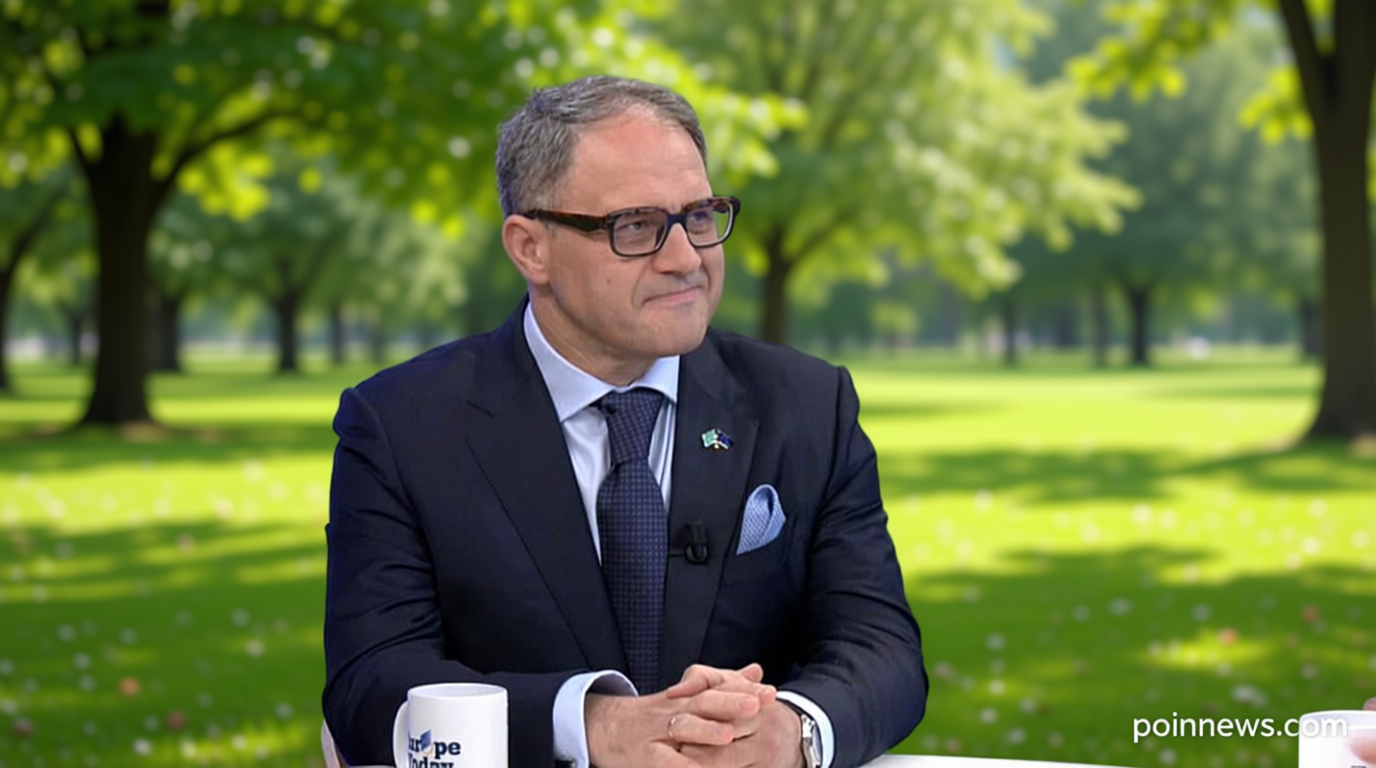
Kazakhstan’s Ambassador to the EU, Roman Vassilenko, highlighted during an exclusive interview that the country’s role as a central hub in Eurasia is pivotal to its aspirations. “We are in the heart of Eurasia, bordering Russia and China, yet we are keen to strengthen our ties with the European Union,” he said. This statement reflects Kazakhstan’s broader ambition to solidify its position as a reliable supplier of energy and critical resources while also becoming a strategic partner in emerging technologies. The visit to Brussels is expected to open new dialogue channels, with both sides agreeing to explore opportunities for closer alignment in policy and investment frameworks.
“We have made progress, but there is still much more to achieve,” Vassilenko reiterated, underscoring the EU’s importance in Kazakhstan’s global strategy. The ambassador noted that the EU’s interest in the country’s vast energy reserves, coupled with its potential in green technologies, presents a unique opportunity for mutual growth.
Trade and Investment Growth
Over the past decade, trade and investment between Kazakhstan and the EU have seen substantial growth, with European firms contributing billions to the nation’s economy. While energy remains the cornerstone of this relationship, recent years have witnessed a shift toward diversifying economic ties. Vassilenko pointed out that sectors such as transport, logistics, and financial services are now being prioritized, reflecting a desire to expand the scope of collaboration. This expansion is not just about increasing economic output but also about creating a more resilient and interconnected trade network.
The Astana International Financial Centre (AIFC) has emerged as a focal point for this shift, attracting over 5,800 global firms and signaling Kazakhstan’s ambition to become a regional financial hub. Vassilenko stressed that the EU’s investment in these areas would help drive innovation and economic stability, while also fostering long-term partnerships. Such initiatives are seen as vital to ensuring that Kazakhstan remains a dynamic and integral part of the EU’s economic strategies.
Energy Security and Future Goals
Energy security is a central pillar of the EU-Kazakhstan relationship, particularly as Europe seeks to reduce its dependence on Russian imports. Kazakhstan, already the EU’s third-largest crude oil supplier, provides around 65 million tonnes annually. With the EU’s energy transition accelerating, Kazakhstan’s role in supplying oil and transitioning to green hydrogen is becoming increasingly critical. Vassilenko highlighted the nation’s plans to produce 2 million tonnes of green hydrogen by 2030 in collaboration with German and Swedish partners, a move that could further solidify its status as a strategic energy provider.
“We aim to be more than just a supplier of fossil fuels. Our vision includes becoming a key partner in the EU’s shift toward renewable energy and sustainable practices,” the ambassador explained. This dual approach of maintaining traditional energy ties while investing in green technologies aligns with the EU’s broader goals of achieving climate neutrality by 2050.
Emerging Industries and Technological Collaboration
The EU’s interest in Kazakhstan’s potential within emerging industries is a significant focus of the current visit. President Tokayev has repeatedly emphasized the importance of technological innovation, particularly in artificial intelligence (AI), logistics, and digital infrastructure. These sectors are seen as crucial for Kazakhstan’s economic diversification and long-term competitiveness. By engaging with European experts, the country hopes to accelerate its development in AI and data analytics, which could transform industries ranging from agriculture to manufacturing.
Logistics is another area where Kazakhstan seeks to align with the EU. With its strategic location between Asia and Europe, the nation aims to leverage its transportation networks to become a regional logistics hub. The ambassador noted that European investment in this sector could enhance efficiency and connectivity, thereby supporting Kazakhstan’s ambitions to integrate more deeply into global supply chains. This vision of expanded collaboration is expected to create new job opportunities and boost infrastructure development in key regions.
Political and Strategic Alignment
Beyond economic cooperation, the visit also highlights Kazakhstan’s desire to strengthen political and strategic alignment with the EU. As part of the Belt and Road Initiative, Kazakhstan has been a major transit route for goods moving between Asia and Europe, and the EU’s interest in this corridor is growing. Tokayev’s meetings with EU officials are likely to address issues such as trade facilitation, security cooperation, and geopolitical stability. The EU is increasingly viewing Kazakhstan as a bridge between its eastern and western partnerships, which could bolster its influence in Central Asia and the broader Eurasian region.
“Our shared goals in energy security and innovation make us natural allies. We seek to build on this foundation and explore new areas of collaboration that benefit both parties,” Tokayev stated during the visit. This sentiment reflects Kazakhstan’s determination to move beyond transactional ties and establish a more comprehensive and forward-looking partnership with the EU.
Regional Influence and Future Outlook
Kazakhstan’s push to deepen ties with the EU is part of a broader strategy to enhance its regional influence and secure a stable economic future. The country has long been a critical player in Central Asian geopolitics, and this partnership with the EU is expected to strengthen its role in shaping regional policies. Vassilenko noted that the EU’s investment in Kazakhstan’s critical minerals and technology sectors could serve as a model for other countries in the region, fostering a competitive and sustainable development path.
Looking ahead, the success of this partnership will depend on sustained collaboration and mutual trust. Both sides have expressed a commitment to working together on issues such as climate change, digital transformation, and economic resilience. As Kazakhstan continues to seek much more in its ties with the EU, it is positioning itself as a vital partner in the continent’s efforts to build a more diversified and sustainable global economy. This visit to Brussels is not just a step in the right direction but a foundational moment in redefining the