Russia to close German cultural centres after Berlin blames Moscow for airport drone plot
The decision for Russia to close German cultural institutions across its territory was confirmed by Foreign Minister Sergei Lavrov on Thursday, ending decades

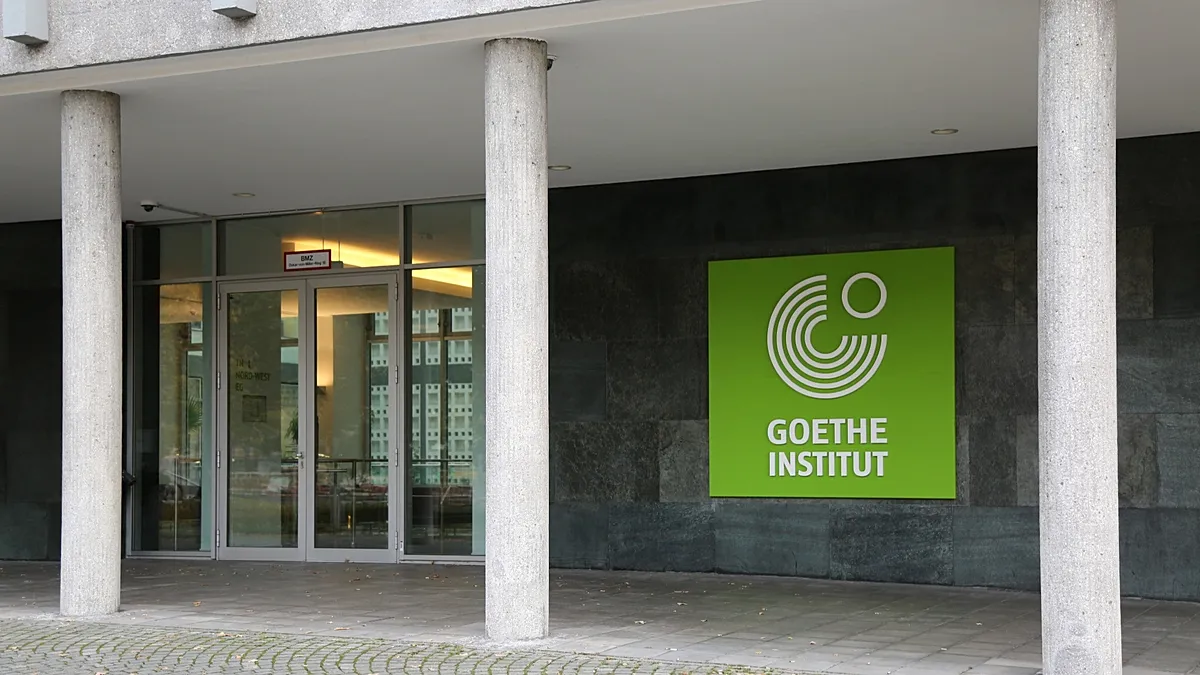
Table of Contents
Russia to Close German Cultural Centres After Drone Plot
Poinews.com – The decision for Russia to close German cultural institutions across its territory was confirmed by Foreign Minister Sergei Lavrov on Thursday, ending decades of language instruction and artistic exchange in Moscow, St. Petersburg, and Yekaterinburg. The announcement landed within hours of Berlin formally blaming Moscow for an explosive-laden drone found at Leipzig/Halle Airport, a move that also triggered the shutdown of the Russian Consulate in Bonn and the Russian House in the German capital. A single defused device has set off a reciprocal dismantling of soft-power infrastructure between two of Europe’s most populous states.
Lavrov Frames the Closures as a Matter of Dignity
Speaking at the Eastern Economic Forum in Vladivostok, Lavrov presented the closures not as retaliation but as an act of national self-respect. He told delegates that any lesser response would signal a deficit of what he called “self-respect” on the part of the Russian state. The minister added that Germany “could not have failed to understand” that eliminating the Russian House would mark “the end of their cultural presence in Russia,” a line that underscored how deeply the two governments now read each other’s symbolic gestures.
The Goethe-Institut, established in 1951, has long functioned as Germany’s principal vehicle for language teaching, academic exchange, and cultural programming abroad. Its Russian branches hosted German-language examinations, contemporary art shows, and university partnerships. Their abrupt closure severs a channel of engagement that, in various forms, has persisted since the post-war period.
The Leipzig/Halle Drone Incident and Its Aftermath
The escalation traces to 4 August, when airport staff discovered a drone carrying explosives parked near a Ukrainian aircraft at Leipzig/Halle. The device was defused without incident. Because the airport ranks among Europe’s busiest international cargo terminals and serves as a critical logistics node for military and humanitarian aid flowing to Ukraine, any sabotage there carries continental security weight rather than merely domestic aviation significance.
Western officials have repeatedly accused Moscow of orchestrating a wider campaign of disruption intended to erode European public support for Kyiv and destabilise national governments. German Foreign Minister Johan Wadephul stated that Berlin had “carefully prepared” its retaliatory measures and declared that “now Russia must live with these consequences.” In the same breath he extended a conditional olive branch, urging Moscow “to show that it is also ready for reasonable talks and negotiations, particularly regarding the situation in Ukraine.”
Cream of the Kremlin’s rebuttal came from President Vladimir Putin, who rejected the attribution outright. In his account, Berlin’s accusations serve to divert public attention from domestic policy failures and growing voter discontent. He characterised any evidence presented by German authorities as having been “planted,” a claim that effectively forecloses joint investigation or mutual verification.
Behind Closed Doors at Neuhardenburg Castle
According to SPIEGEL reporting, Chancellor Friedrich Merz had intended to move swiftly toward sanctions against Russia immediately upon his return from a three-week summer holiday at Lake Tegernsee, which ended on 25 August. During that period he received briefings on the airport incident multiple times per day. Before authorising any punitive step, however, he convened a closed-door session at Neuhardenburg Castle with Interior Minister Alexander Dobrindt, Foreign Minister Wadephul, and security-policy adviser Günter Sautter.
Both cabinet ministers counselled restraint. Dobrindt warned that publicly naming Russia before the investigation concluded could compromise the evidentiary record. Wadephul prioritised operational preparedness: notifying German diplomatic posts of likely Russian countermeasures and ensuring sensitive data and documents were secured before any formal accusation went public. The eventual decision to close the Bonn consulate and Russian House thus reflected a calibrated sequence rather than an impulsive reaction.
EU Ministers Weigh the Broader Response
On Wednesday, European Union foreign ministers gathered in Ireland to debate how the bloc should answer what it characterised as a state-level act of sabotage. Kaja Kallas, the EU’s foreign-policy chief, set the tone before chairing the session:
“It is clear that it has all the hallmark features of a state-sponsored operation, and we will respond accordingly.”
Frequently Asked Questions
What exactly is Russia closing? The Goethe-Institut’s language and culture centres in Moscow, St. Petersburg, and Yekaterinburg will cease operations. Berlin, in turn, has terminated the Russian Consulate in Bonn and the Russian House in the German capital.
When did the triggering incident occur? Airport personnel found the explosive-laden drone near a Ukrainian aircraft at Leipzig/Halle on 4 August. The device was defused without injury.
Has Moscow accepted responsibility? No. President Putin dismissed the attribution, calling the evidence “planted” and framing the accusations as a distraction from domestic issues.
Is there a path back to normalisation? Foreign Minister Wadephul has left the door open, urging Moscow to demonstrate readiness for “reasonable talks and negotiations, particularly regarding the situation in Ukraine.” No formal timeline for restoration of cultural ties has been announced.