Why EU Space is an investment in Europe’s future
Why EU Space is an Investment in Europe’s Future Why EU Space is an investment - The European Union has solidified its position as a major player in the

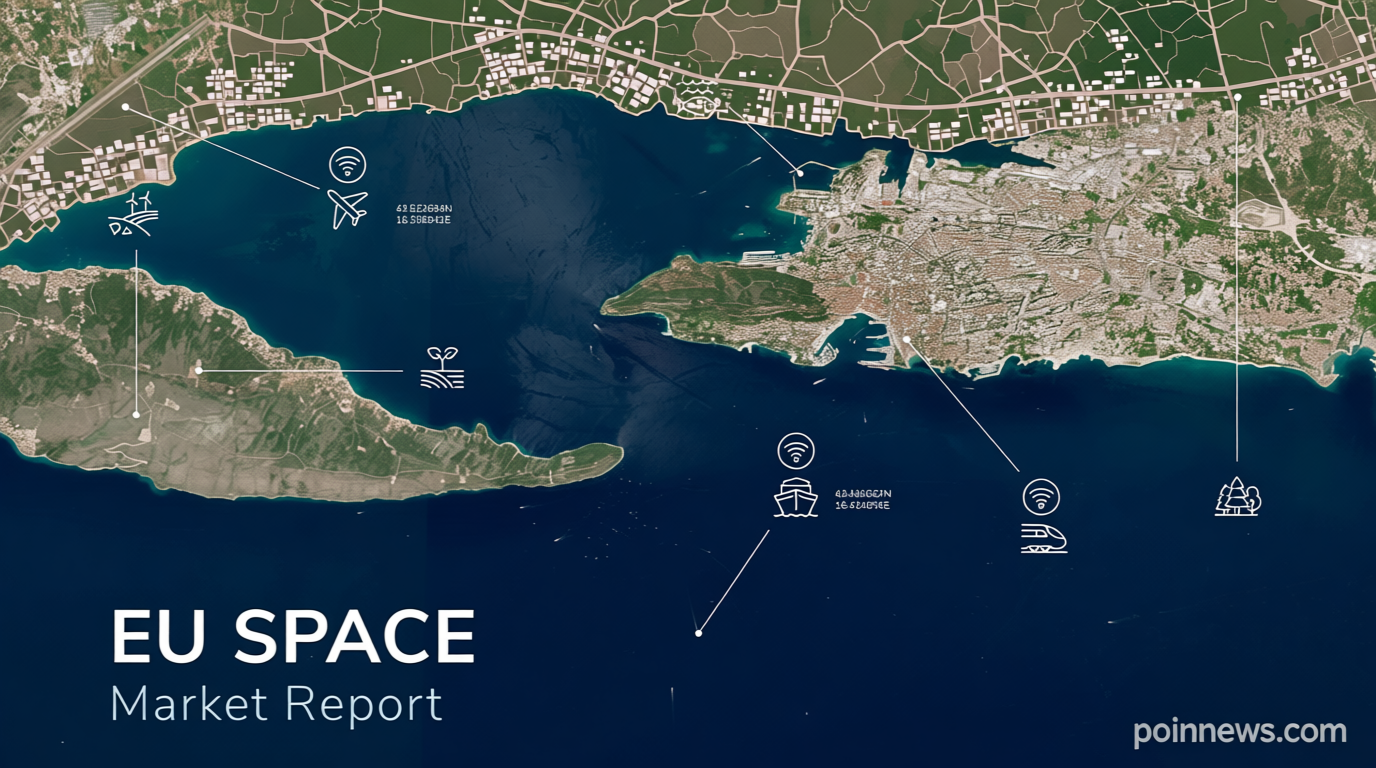
Why EU Space is an Investment in Europe’s Future
Poinews.com – The European Union has solidified its position as a major player in the global space industry. Its achievements in satellite technology and Earth observation programs highlight a strategic commitment to expanding Europe’s influence in space. Among these accomplishments, the Galileo system stands out as a cornerstone of the Union’s efforts in global navigation.
Galileo: A Global Navigation Leader
Galileo, the EU’s Global Navigation Satellite System (GNSS), offers unparalleled precision and security. It delivers the most accurate positioning and timing data worldwide, with its High Accuracy Service surpassing the capabilities of competitors like GPS. Additionally, the integration of Open Service Navigation Message Authentication (OSNMA) has made Galileo unique, as it allows users to verify the authenticity of its signals, safeguarding against potential manipulation and spoofing attacks.
Copernicus: Environmental and Security Insights
Europe’s space capabilities extend beyond navigation. The Copernicus program, designed for Earth observation, provides extensive data for applications ranging from environmental monitoring to disaster response and security operations. This initiative underscores the Union’s dedication to addressing global challenges through space-based technology. The recent addition of secure satellite communications to the space services portfolio further strengthens Europe’s readiness to tackle security threats.
GOVSATCOM, a key component of secure satellite communications, is set to deliver critical services for missions involving security and safety. Managed by the European Union Satellite Ports Authority (EUSPA), this system has been operational since January 2026, leveraging shared resources from multiple EU Member States. It supports governmental operations and essential EU institutions, ensuring reliable communication for high-stakes scenarios.
Market Growth and Strategic Opportunities
According to the 2026 EU Space Market Report, the downstream markets for space technology are experiencing robust expansion. The GNSS and Earth Observation (EO) sectors, in particular, are poised for significant growth. By 2034, global GNSS revenues are projected to exceed EUR 580 billion, while EO data revenues could rise from EUR 3.5 billion to nearly EUR 8 billion. Europe maintains a strong presence in these markets, with its share of EO data and services reaching 42% of global revenues.
European actors also dominate specific segments of the EO market, holding over 60% of the global market share in decision-support services. The secure SATCOM market is another area of rapid development, with demand expected to grow from EUR 200 million in 2025 to EUR 1.2 billion by 2040. These trends present a vast opportunity for EU firms to enhance their competitiveness on the world stage.
EUSPA’s Role in Fostering Innovation
EUSPA has been directly managing several Horizon Europe calls, with the aim of fostering space-based innovation, development, and commercialization.
As a central hub for EU space initiatives, EUSPA not only provides critical market intelligence but also supports the growth of small and medium enterprises (SMEs), startups, and industry players. Through funding programs and initiatives like CASSINI hackathons, innovation contests, and awards, it helps nurture new technologies and business models.
The agency’s efforts include leading calls under Horizon Europe and the Fundamental Elements program, which have proven instrumental in advancing space-related projects. Its support for SMEs and startups ensures a dynamic ecosystem of innovation, reinforcing Europe’s ability to compete globally in space technology. By investing in these areas, the EU is securing its long-term position in the evolving space economy.